
Cambridge is buzzing with the sound of Q3, a jazz quartet fresh off the release of their critically acclaimed album, “Water Speckled Midnight.” Having cultivated a dedicated fan base with earlier albums such as ‘Spider Dance’ and ‘The Monkey Puzzle Tree,’ the band takes their music to new heights with ‘Water Speckled Midnight.’ This album blends Latin rhythms, funky grooves, and touches of Arabic and Mediterranean influences.
The creative force behind Q3’s distinct sound is pianist and composer Martin Hallmark. Hallmark’s tutelage under the legendary Chick Corea is evident in his meticulously crafted melodies, which are both playfully intricate and undeniably captivating. However, to reduce Q3 to a one-man show would be a disservice to the exceptional talent of each member. Kevin Flanagan’s soulful tenor saxophone solos evoke comparisons to the likes of David Gilmour. Tiago Coimbra, a sought-after bassist by jazz heavyweights, lays down an electrifying foundation, while drummer Oscar Reynolds imbues the music with a delicate yet propulsive energy. Reynolds’ extensive experience and Coimbra’s in-demand status further solidify the band’s musical prowess. We recently had the chance to chat with Martin Hallmark, the driving force behind Q3. We talked about the band’s future plans, and of course, got his take on the ever-changing world of jazz.
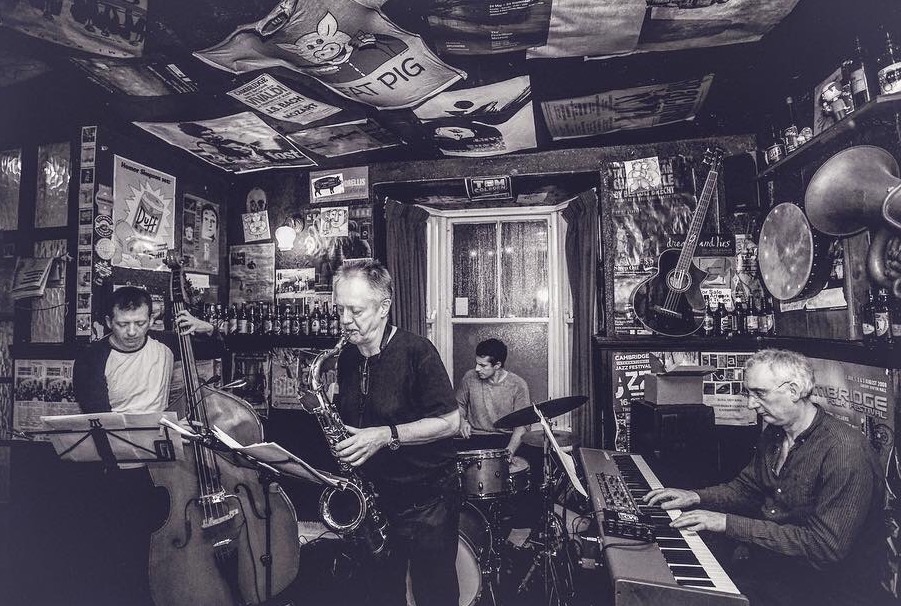
photo by Gareth Millar
Could you break down how you guys went about crafting the tracks on “Water Speckled Midnight”? I’m particularly curious about how you managed to fuse so many different musical elements—from Latin to funk, and even Arabic influences—into a cohesive album. What was that process like for you?
I wrote the tunes over a similar period, from about 2019-21, so I think there is a consistency in composing style, as well as consistency in the way the band performs and interacts despite different tunes. I write music which is usually melodically driven even if there is a relatively high degree of complexity of form or harmony, quite often with some long tunes, but always trying to create a piece that fits together with a sort of logic. I think that is the musical signature of the album. I was not trying to follow any particular inspiration but be true to what my inner sense was telling me.
Martin, having had the opportunity to study under Chick Corea, how do you feel this mentorship shaped the music you composed for “Water Speckled Midnight”? Can you share specific elements or ideas in the album that were inspired by his teachings?
I only had a short time with Chick, on a masterclass for a week in 2012. Still it was very inspiring and stayed with me. He encouraged people to write music without thinking too consciously about chord types, progressions etc but to focus on what sounds good. The masterclass was called “think for yourself.” The tune Odyssey sounds a bit like his writing, I did not set out intentionally to do that, but it was written about a year after he passed away and it definitely has his influence.
The album features an eclectic mix of sounds. Can each of you share a specific track that you feel particularly connected to and why?
Track 4 – Nomads. It started from a piece a wrote a long time ago, which I never played with Q3 and I rewrote for the album, but adding more arabic scales and really opening it out to give everyone a lot of freedom in solos, and I am really happy with the way everyone played as a result. Kevin and Tiago’s solos are amazing!
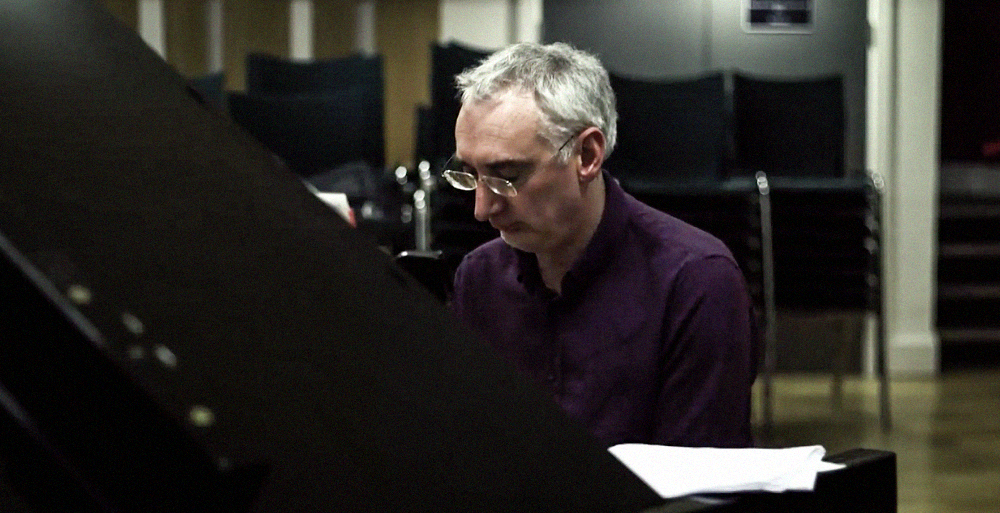
photo by Q3
Recording at Alpheton New Maltings studio, where Brad Mehldau also recorded, must have been inspiring. Could you share how the environment influenced the album’s recording?
It is a very peaceful setting. The studio is a large barn conversion with a beautiful 9 foot fazioli concert grand. It is the best piano any of us had ever heard and inspired not just me as pianist but the whole band.
Considering the vast and varied history of jazz, how do you think modern jazz artists, including yourselves, balance the tradition and innovation within the genre? What are the key challenges you face in trying to push the boundaries while still respecting the roots of jazz?
People go in so many different directions, but mostly musicians have been brought up following the greats and there is always something to take from them still. The fundamental language of jazz starts there, people then need to develop an individual style. Amongst the band we tend to follow some of the more recent jazz and jazz fusion greats such as Marcus Miller, Michael Brecker, Chris Potter, Chick Corea, Herbie Hancock and Robert Glasper and see how they have taken things forward. Creating something new can be difficult but if you trust your instincts and try not to get into a mindset of following familiar patterns then you can build your own style. Kevin has been a big inspiration to the rest of the band, he plays sax like no one else has ever done.
Do you have any upcoming live performances where audiences and jazz enthusiasts can experience your music in person?
We are playing in Stamford in June and have gigs in Cambridge and Norwich later in the year, including the Cambridge jazz festival.
After so many years immersed in the world of jazz, does the genre still surprise and inspire you? What aspects of jazz continue to captivate your attention and passion?
Yes it does surprise me, I discover people making music in new ways. In the last few years I have discovered the jazz folk crossover of Alice Zawadski, and also the Danish minimalist trio Little North, both inspiring me to think of different ways of playing and composing.
Connect with Q3 via Facebook
*This interview was made possible by Quite Great PR







 Indie Boulevard Magazine