
Brian Halloran is releasing his new EP Four Orphans on December 20th, and, frankly, it’s a release that can easily be overlooked if you’re used to only looking at big names and hyped projects. But if you stop and give it a chance, Brian Halloran will remind you why we loved the ‘90s, and why music from this era is rightfully considered a standard that even the modern generation aspires to right now.
You can hear the soul of R.E.M., the sincerity of Counting Crows, and the sparkling melodiousness of Semisonic, but Four Orphans is an absolutely independent statement, and by no means a nostalgic tribute.

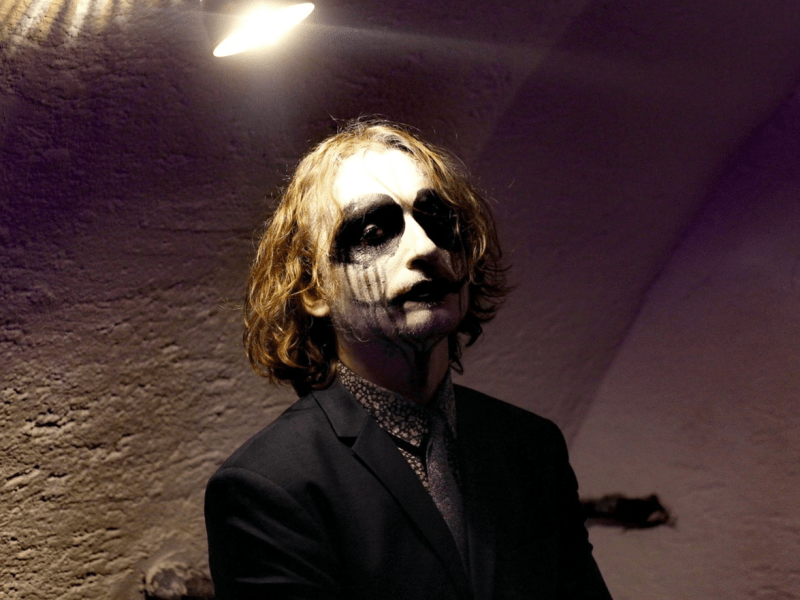
photo by @brianhalloranmusic
When I played this EP, I basically knew that I was in for some good music, but what I heard exceeded my expectations. Sometimes it seems that we’ve forgotten what a real pop-rock record should sound like. Four Orphans takes us back to the roots: it’s simplicity that only at first glance appears to be simple, melodies that stick in your head, and lyrics that resonate even after several days.
I managed to hear the EP before its official release, and I must admit, it was a pleasure. Everything works on a level of detail: how the bass emphasizes the melancholic mood of one of the songs, how soft percussion neatly constructs the rhythm without distracting from the vocals, and how the guitars envelop each melody. And it really is so, and in Brian’s case, it works.
The Only Thing Keeping Me Down is that very track that catches you from the first notes and doesn’t let go. The soft guitars and gentle vocals of Halloran sound almost intimate, as if he is sitting across from you, and his voice penetrates deeper than you expected. In a duet with Fiona Huxley’s backing vocals, the song gains an airy lightness, while the swinging bass and Craig Huxley’s keys add a warm, cozy hue.
Next comes For a Song, and here the mood changes. If the first track is the soft light of sunset, then here we are talking about a bright sunny day. Joy and lightness are perhaps the right descriptions for this song. Stylish performance, energetic rhythm, and impeccable solo guitar by Zack Zaro create a feeling of flying down the highway with windows open. Here, Halloran’s vocals become lighter and more playful, and the impeccable backing vocals of Kacie Sky add a subtle touch, making the track optimistic.
Then comes Your Satellite—a quiet, melodic ballad that resonates with the most profound feelings. It’s a song about unrequited love, told with tremor. This track adds depth to the album, demonstrating that Halloran can be not only a rough-and-tumble guy but also vulnerable and sincere. That’s always appealing in artists.
The release closes with Spin My Wheels—a track that sounds like an optimistic farewell. Halloran’s confident vocals, backed by dynamic guitars and expressive keys by TJ Viola, create a festive atmosphere. The organ and piano add a special, slightly vintage energy to the melody. It’s a song that says “everything will be alright,” and at that moment, you believe it.
Halloran definitely makes music that finds its way to the listener. Is it appropriate to call it pop? Perhaps not. Pop-rock? Maybe. But ultimately, that’s not so important. For me, the main indicator of quality is how quickly the album flies by. Four tracks might seem few, but they are so cohesive and “right” that you don’t notice how it all ends. And then you immediately want to hit “repeat.” This is damn good pop-rock. Although the word “pop” here, again, might even be superfluous—it’s just cool music that reminds us why we love this genre in the first place.
Brian Halloran’s Four Orphans is an artist who can afford an EP of just four tracks, and these four Orphans will say more than dozens of loudly self-proclaiming albums. Intimate, honest, almost confessional. There’s none of that egocentric energy often found in modern artists. Instead, Halloran invites us into his space, where stories live through simple things: melody, lyrics, and that rare feeling that he wrote these songs for you. This is music that knows its audience. The EP, expertly mixed by Ricky Watts, enhances the intimate experience. And when Four Orphans ends, you don’t feel tired or overwhelmed. Rather, it’s like an old book that you’ve flipped through to the end and now hold in your hands, knowing you’re not yet ready to put it down.
*This review was made possible by SubmitHub








 Indie Boulevard Magazine