
In Louis Emory’s music, there is something ancient—not a search for compromise, but for authenticity, not for approval, but for freedom. This freedom permeates everything he creates, from melodies to lyrics, and it is felt as soon as he begins to speak. Meeting an artist so passionate about his songs that they become a reflection of personal experiences always feels like a small miracle.
We met to discuss his new single and the upcoming EP The Siege, and the conversation quickly evolved into an informal chat. We talked about many things: sounds that can change perception, collaborations with legendary names, and how a melody becomes an ally in battle. But at the center of it all always remained the idea of struggle—personal, political, human. In his words, you can sense the weight accumulated over the years—an experience that leaves scars but also forges the spirit. A song can break through the siege of internal isolation and fear, and he is ready to use it to speak honestly, without compromise. At the same time, the significant role of the team supporting him is evident: producers, engineers, musicians—all work with him as allies, helping to transform ideas into a work that sounds as vivid as his experiences.
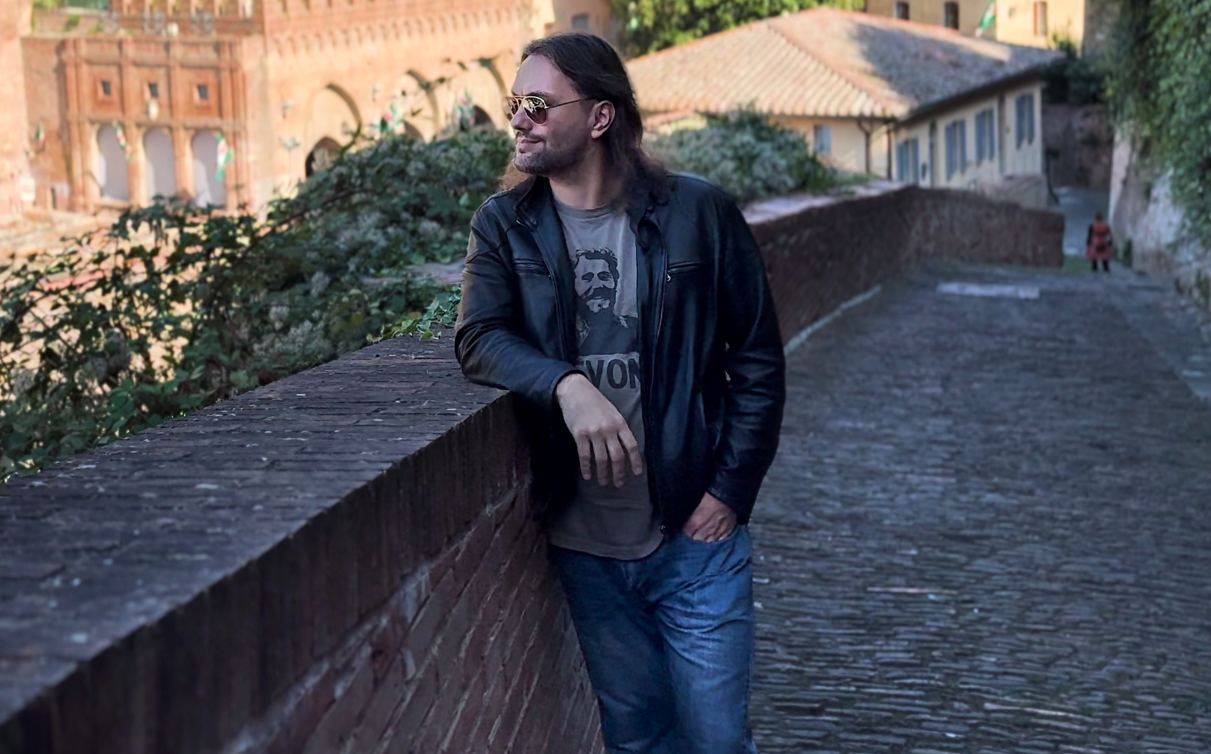
photo by Raeanne Wright-Emory
Louis, in “Do What I Want To Do,” there’s a clear sense of defiance, almost like a declaration of artistic independence. When you were crafting this track, how conscious were you of balancing that rebellious spirit with the discipline required to make it sonically tight and polished, especially with someone like Shelly Yakus in the mix?
At the time I wrote it, I was dealing with being stuck in a toxic situation with someone I had thought was a friend. It’s complicated, but I wasn’t allowed to express to the outside world the truth about what was happening in my life. So I felt this heaviness of being isolated — like I was in a siege. That feeling also inspired the title track of the forthcoming EP, The Siege. At the same time, I was drawing parallels with the current state of politics in my country – this feeling of having to self-censor for fear of being canceled. The sonically tight part of the equation is Bob, Tim, Shelly and their incredible ears. The public only hears the finished song; they don’t hear all of the iterations and tiny adjustments that are made along the way.
Listening to “Do What I Want To Do,” I couldn’t help but catch a bit of a Bob Dylan vibe—there’s something in the way you deliver the vocals that feels raw. What’s your process for crafting such a captivating vocal presence? Do you rehearse certain nuances, or is it more about capturing a raw, unfiltered take that feels authentic in the moment?
Thank you for the compliment. Dylan is one of the greatest of all time. I love his vocals and his writing, no one else comes close. As far as process, I just step up to the mic and let it roll. Thankfully, I don’t have the pressure that I put on myself in my youth of trying to make sure everything that’s coming out is perfect. I no longer seek that. I trust my intuition and try to give it my best shot and hope it’s something that connects.
There’s a powerful energy in the lyrics of “Do What I Want To Do,” as if you’re reaching that breaking point where you just can’t compromise anymore. I’ve had those moments too, where I question whether I should say or do something, and then I hit a point where I’m just done holding back. When you were writing this track, was it about finally letting go of something that had been building up inside you, or do you see it more as a general philosophy you try to live by?
I felt suffocated by the situation I found myself in. I was going through a very stressful period; I felt like the American revolutionaries fighting the British Empire – trusting in providence and trying to survive. I had to find a productive outlet and so I turned to my guitar and pen and got to work. We are all suffering. What are we doing to help alleviate it – for ourselves, for others?
Collaborating with a legendary figure like Shelly Yakus, who’s shaped the sound of some of the most iconic records, must’ve been a unique experience. Can you walk me through a moment in the studio where you felt his influence shift the direction of a song, or maybe even change your perception of your own music?
I thank God for Shelly everyday. He helped me find my voice and be comfortable with it. He’s worked with some of the most successful and distinct artists which have all inspired me. He’s worked on many of the records that are the soundtrack to my life. He’s been so kind and supportive and to have a friend like him in my corner helps silence some of those inner self-doubts about this path I’m on. I could have never dreamed of working with Shelly when I first started in my garage all those years ago.

photo by Raeanne Wright-Emory
The title The Siege evokes this powerful imagery of a prolonged struggle. The two singles, “Do What I Want To Do” and “Prophets Said,” seem to explore themes of self-determination. How do these themes tie into the overall narrative of The Siege?
Is it self-determination or the divine hand guiding us? Or both? Sometimes I feel like Arjuna on the floor of my chariot and other times I feel like the stars are aligning. This theme of what’s determining our fate I find pretty interesting. In the chorus on the title track “The Siege,” I sing, “It’s not in our stars but in our hearts!” In other words – in times of greater peril it is important to not sit back and accept the circumstances but to continue to fight for what we believe is right / good, or for the things that we hold dear.
There’s a stark contrast between Love Italy and The Siege. Was this shift intentional?
It’s not a shift but a progression and it’s where I was at when I was writing those songs. “Prophets Said” is the oldest of the songs from this batch and I wrote it between another album I was working on and the songs that became “Love Italy.” ‘The Siege’ is influenced by the times we are living in. I set it in the ancient world but the title track was also influenced by the invasion of Ukraine; I wanted to write something for the people of Ukraine to stand in solidarity with them.
Melody is such a central part of your songwriting. How do you know when you’ve found the right one—the one that can carry the weight of your lyrics without overshadowing them?
It all just flows into my subconscious and if it’s not something I’m still singing or hearing a little while later or in the following days then it needs to keep cooking. I don’t ever think about the melody carrying the weight or overshadowing the lyrics. I’m just trying to write songs that I want to hear these days. I’m rather bored by a lot of whatever it is that’s become “popular” music. No soul. Just an “industry of cool” as the great Lester Bangs predicted.
As an independent artist, there’s always the question of how much to push towards mainstream appeal versus staying true to your own sound. Did The Siege challenge you to step outside your comfort zone, especially knowing it has the potential to reach a broader audience?
I could care less about the mainstream or being famous. There’s enough people jonesing for that drug. For me it’s always been about the music. How can I write the best song? Record the best album? Compete with the masters? Carry on the tradition? Get this song or sound out of my head and record it!?
If you weren’t making music, what do you think you’d be doing right now?
I would be a small business owner following another passion, perhaps. Maybe architecture or art. Music is so overwhelmingly a part of my life I can’t focus on doing anything else.
What would be your top three countries to visit and why? Like, where would you say they absolutely have to go for the best food, coolest vibes, or just an unforgettable experience?
Aside from Italy, the top three countries I would like to visit are Greece, France and Türkiye. Definitely Egypt. I always wanted to sail the Aegean and down the Nile. How can you choose just three!? I’m praying for peace in our times so that all of us can enjoy the enlightenment that comes from traveling.
*Promoted content. All information provided is prepared in accordance with editorial standards and is intended to offer useful insights for readers.




 Indie Boulevard Magazine