
I don’t know if Catriona Bourne would call herself a genius, but I will. Not the loud kind, the one who shouts their brilliance from the rooftops—she’s not that person. Bourne’s genius is quieter, slipperier, the kind that sneaks up on you.
It’s in how she uses music to carve open a space and let it bleed raw feeling. Her debut, Triquetra, it’s here to remind you that music, when done right, doesn’t owe you anything. It exists for itself, and if you’re lucky, it lets you in.
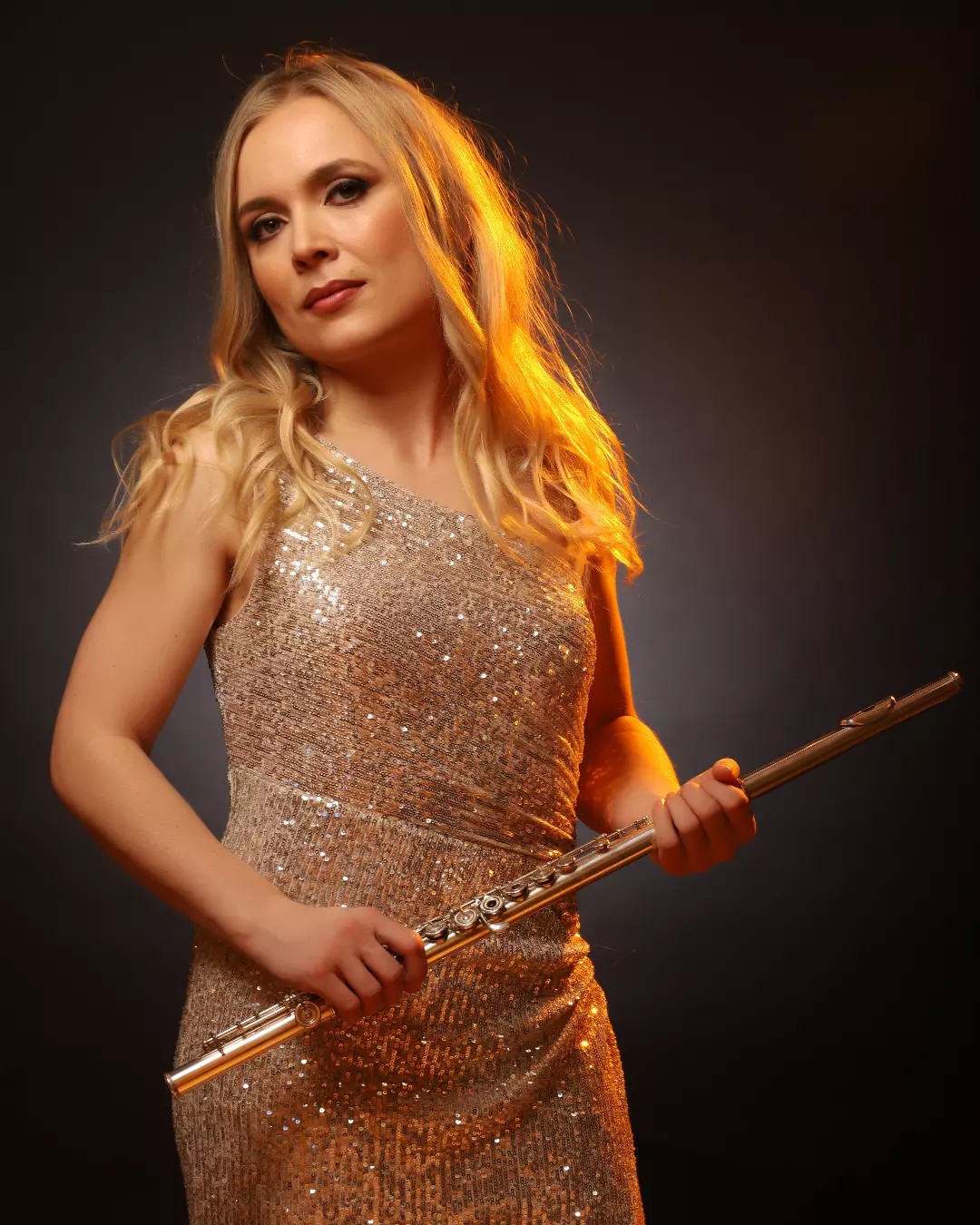
photo by @catrionabournemusi
Jazz, in its essence, has always been an act of philosophical inquiry—a question rather than an answer. Bourne seems to understand this better than most. With Triquetra, she presents an album that resists being pinned down by easy definitions. It is jazz, yes, but also folk and classical, shaped by the textures of her Scottish heritage and her ear for improvisational interplay. But these are just words, signposts to help us approach what she’s doing. What Bourne creates transcends categories. She is less interested in defining boundaries and more in exploring what lies beyond them.
The album’s title, Triquetra, refers to the ancient Celtic symbol of three interlocking loops, often interpreted as a representation of unity, eternity, and interconnectedness. The music here is deeply interconnected—between the instruments, between the players, between the listener and the landscapes that inspired it. You can hear it in the quartet’s interplay. Francis Tulip’s guitar accompany Bourne’s piano; they converse with it, question it, echo it. Joe Bainbridge’s drums pulse like a heartbeat, a constant reminder of time moving forward even as the music stretches it into something elastic. James Owston’s bass? It’s the earth beneath their feet, grounding even the loftiest moments.
And yet, for all its feral energy, Triquetra is obsessively detailed. Catriona Bourne understands the architecture of music—scales, intervals, harmonic tension—and she uses it like a painter uses shadow. Her phrasing on harp or flute, or whichever instrument she picks up, is unpredictable in the best way, you can hear the thought behind every choice, and yet it never feels calculated.
It’s not going to seduce you with big-name producers that set your hair on fire. It doesn’t have to. There’s a reason Bourne’s been featured at events like the London Jazz Festival and Newcastle Festival of Jazz and Improvised Music—she knows how to hold a room. She draws you in by trusting your ears, by assuming you’ll meet her halfway. And if you do, you’ll find yourself sinking deeper, becoming aware of things you didn’t even realize you were missing in other albums: the feel of a guitar string breathing between notes, the way a bass tone can anchor a memory, or how a cymbal tap can suggest the hush of distant waves.
I must specifically highlight Bourne’s harp—it’s not a conventional instrument for jazz, yet in Triquetra it sounds as though it has always belonged to the genre. The eclecticism lies in how everything blends into a seamless flow of sound, effortlessly gliding between folkloric hints and the raw nerves of improvisation. You could say she masters the instrument, but it’s more accurate to say they move in unison. They are two wise conversationalists, engaged in a dialogue where it’s unclear who sets the theme. The harp, so delicate and often associated with chamber music’s gentleness in other contexts, here becomes the core, around which a pulsating rhythm, soft bass, and a guitar ready for bold digressions all revolve.
The title track, Triquetra, sets the tone for the entire album—a tone of strength and momentum. This is vibrant jazz, pulsating with life. The rhythm of the drums is steady but not overpowering, the soft bass creates a sense of stability, and the guitar and harp add rich textures. But the essence lies in the sense of movement: the melody lives, evolves, never stands still, and constantly seeks something beyond the horizon.
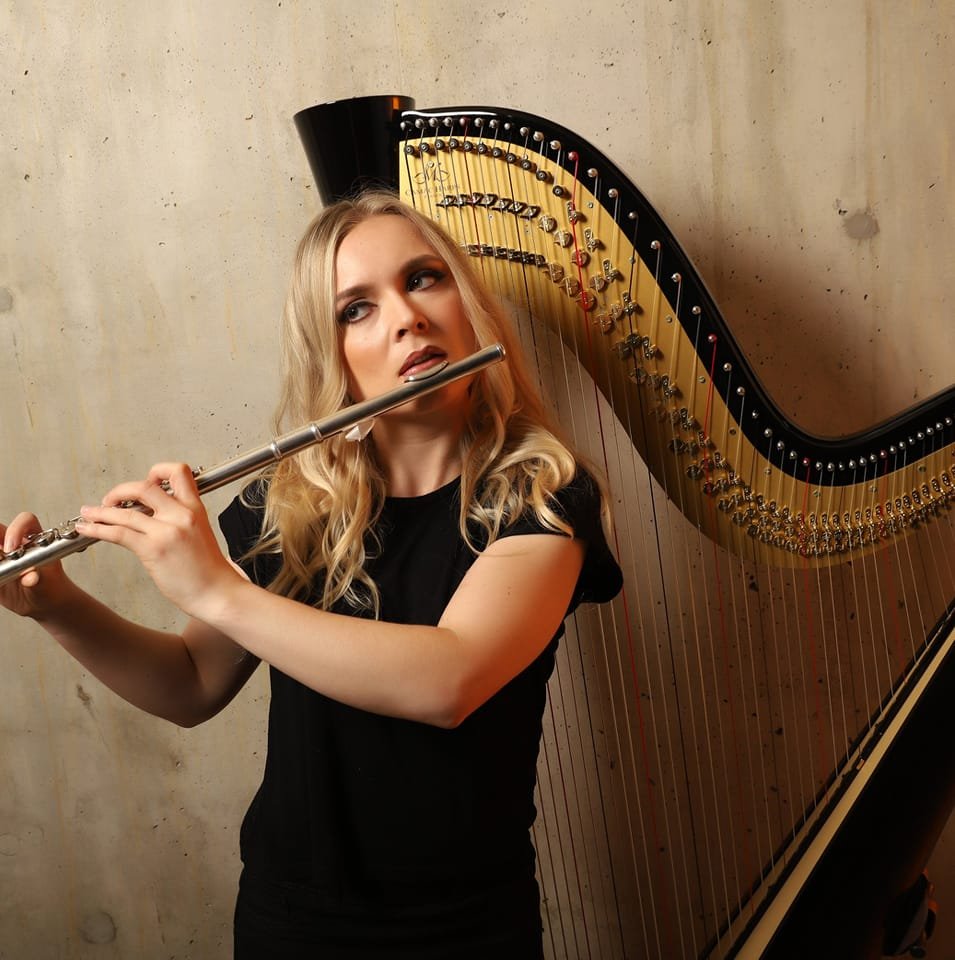
photo by @catrionabournemusi
If Triquetra charges you with energy, Coronach invites contemplation. This is jazz with soulful undertones, leaving a sense of mystery. Here, Bourne reveals her refined side: the harp soars, adding a sense of elevation to the composition. The melody is delicate, gently touching your soul—not trying to claim it, but simply showing you something beautiful.
Sligachan Bridge – pure magic. A soft introduction creates a fairytale-like atmosphere, but as other instruments join the dialogue, the piece gains boldness. Bourne explores the idea of jazz as a space for discovery. Each bar feels like a brush with something majestic and sacred.
Intro to Rowan – this track continues the conversation started in Sligachan Bridge. Airy flute and guitar take the lead, becoming the central characters. The subtlety of the performance and the attention to detail make the track almost meditative, inviting you to focus on simple yet profound things: beauty, the feeling of the present moment.
Rowan – the return of the harp here brings a sense of coming home. Bourne combines its sound with assured drum rhythms, creating a new dimension of jazz. This is a composition where sophistication meets warmth, lightness meets strength. The melody is like a morning coffee—invigorating yet comforting.
And finally, Lannigan—the album’s culminating statement—delivers a measured, patient grace. Its eleven minutes build steadily, each passage drawing you deeper. Here, you can feel the culture, history, and energy of the musicians, who speak to us in a language that needs no words. The harp solo, flowing into guitar phrases, is filled with passion, bringing this musical journey to a stirring and inspiring conclusion.
This might not be jazz designed to make headlines for reinventing the form. It’s subtler than that. It’s jazz that recalls the power of speaking softly and still being heard, of using the velvet side of the brush instead of the bristles. It’s the antithesis of spectacle. Triquetra is a quiet assertion that music can be both steeped in tradition and profoundly personal.
And now, this journey approaches its conclusion. The final performance of the Triquetra release tour takes place next Thursday, December 12th, at Smith Square Crypt. This concert—the culmination of a year’s work, thought, and artistry—is a moment not to miss. If you haven’t experienced Triquetra live, this is your opportunity to be part of something extraordinary. The venue’s intimacy and atmosphere are a perfect fit for the album’s subtlety and emotional depth.
Catriona Bourne has crafted something truly special with this album, and this closing performance promises to encapsulate all that makes her music so remarkable. If you have the chance to attend, don’t let it pass by. Moments like this are rare.
*Promoted content. All information provided is prepared in accordance with editorial standards and is intended to offer useful insights for readers.






 Indie Boulevard Magazine