
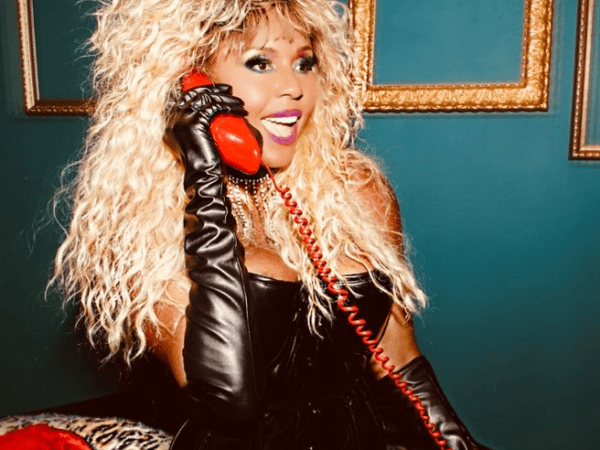
Strap in for a conversation charged with the kind of electricity that can split storm clouds. Dynesti’s story spans years of shelter living to a stage of unapologetic power, and her new track “Dun Da Place” pulsates with that unstoppable momentum. In true cinematic fashion, she channels Caribbean defiance to create a musical arsenal that refuses to be ignored. Triumph and turmoil collide in every bass drop, and the result is an anthem demanding courage from anyone brave enough to listen. Let’s step into the ring and see how a survivor of adversity found her voice—and forged it into a battle cry. We spoke with Dynesti about turning challenges into strength, what “dun da place” means to her, and how her music became a voice for resilience and inspiration. Want to know more? Read the full interview below.

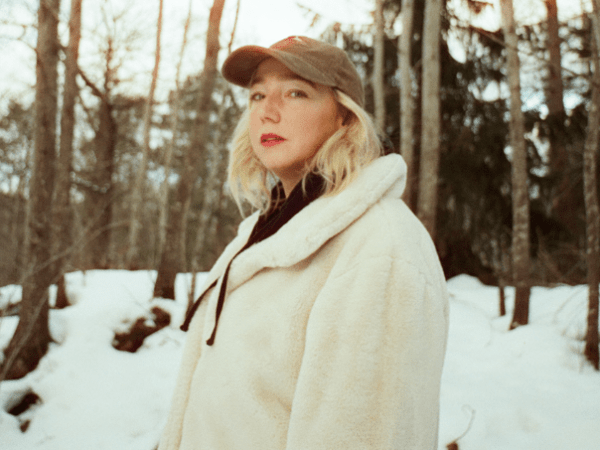
photo by Esn-Shall’s-Media.Productions
You’ve been through some heavy, unrelenting moments—six years in and out of shelters isn’t just something you brush off. But here you are, turning all of that into music that feels alive and defiant. Did you always know you’d come out swinging like this, or was there a moment when you realized, “This is my fight, and I’m going to win”?
Those six years were both traumatic and powerfully transformative for me. I learned a lot about myself and I saw some very harsh realities of the world we live in. I carry those lessons with me in all of the work I do. I can’t pinpoint a specific time when I decided that I was going to win despite my circumstances. No matter how broke I was or how down I felt, I always felt a fire inside that refused to give up on myself or my people. As I interacted with the people in the shelters and heard their stories, I understood that highs and lows happen for everyone. Just because we were all experiencing a low in our lives didn’t mean we were any less incredible or capable than the people experiencing highs. Some of the most phenomenal people I’ve ever met lived in those shelters with me and I aim to represent them in all the work I do.
What strikes me about your music is how deeply it connects—there’s confidence, swagger, and defiance, but also this incredible vulnerability underneath it all. In “Dun Da Place,” you’re leading, telling people it’s okay to stand up and take control of their lives. For you, how much of this song was about convincing yourself first before it could inspire anyone else?
I was in a shelter when I wrote Dun Da Place. The last shelter I lived in was technically called a “transitional home” where you’re supposed to have the goal of transitioning out of the shelter system and becoming a self-sustaining, working adult. Entering that transitional home I knew I wanted it to be the last shelter I ever lived in. In Dun Da Place I turned my hope into a promise to myself that I was going to go out and Dun Da Place so well that the only reason I would ever return to a shelter is to give back to the youth and to motivate them to keep pushing. I didn’t need anymore convincing. I knew.
Your blend of hip-hop, neo-soul, and dancehall feels deliberate, almost like a conversation between the different parts of your identity. And yet, none of it feels forced—it’s organic, like it couldn’t exist any other way. When you start working on a song, do you already know what its tone will be, or is it more of a process of discovery?
Songwriting is a complete mystery to me every time. I create songs like a painter paints. Some pieces of art are done quickly in an intense wave of emotions in one sitting. Others are developed in layers slowly piece by piece until the art is complete. It’s all really fun to me. Concepts and melodies always come to me first. I usually start off with the beat and let the beat guide the melodies, but not all the time. It’s always a journey. I hardly see myself as a songwriter… I’m more of a “sonic painter” if that makes any sense. You can hear colours when you listen to my songs.
The idea of “dunning da place”—to dominate so completely that no one else can touch you—is such a powerful concept. But what I love is that it doesn’t come off as arrogance; it feels earned, almost like a survival instinct. When you perform this song, do you feel like you’re tapping into that same survival energy, or is it something more celebratory now?
To Dun Da Place means that you’ve already passed the survival instinct. You’ve already decided that you are going to survive. Now you’re going to show the world what you’re really made of. It’s a celebration of how far you’ve come from where you used to be and it’s a public declaration that you are going to the next level now and no one can stop you. Just like I’m going to Dun Da Place with the release of my album “The Dyna: Breakfast” that drops this spring.
I love how your story doesn’t follow the traditional “overcame hardships” narrative. It’s not a smooth path—it’s a battle, and you can hear that in every beat of your song. When you think about the girl who wrote “Dun Da Place” during her final stay in a shelter, how would you support her now?
I wouldn’t offer her any new support. I wouldn’t encourage her either. The younger me who wrote Dun Da Place was at a crucial moment in her journey where she could’ve given up on everything. She could’ve been overcome by depression. She could’ve abandoned her dreams of becoming one of the best entertainers in the world and if she did, then she would’ve just lived a different life. Whether that life was fulfilling or not, it would’ve been her choice. She had the power to change her life for better or for worse and she would’ve got whatever she decided that she wanted. I believe people make decisions according to how much knowledge they have and how willing they are to grow. When I wrote that song I felt I knew enough about life at the bottom in my country and I was ready and willing to grow. I was fighting for a change in my situation and I’m still fighting for new heights. I’m happy with how things turned out, but if I wasn’t ready back then, that also would’ve been okay. I’m sure I would’ve figured out how to Dun Da Place eventually and I respect the journey we each have to take to evolve. I didn’t need more support to become me because I always found support when I was ready and willing to go out and get it. I just needed time to evolve.
When you first heard this Caribbean slang, did it immediately become part of your personal mantra, or did its meaning unfold for you over time?
It stood out to me immediately. When Caribbean people talk you can feel the power. It emits from the heart. I understood and stashed it in my vocab.
Do you think songs like “Dun Da Place” can influence how Caribbean culture is perceived, especially outside the communities that create it?
Yeah, Caribbean culture is often misunderstood. We’re seen as “rude” for being blunt. We’re often big & bold, colourful and loud and some people don’t like that until they understand why. We’re big, bold & proud because some colonizers stole us from our land, brought us to the islands, stole our spirituality and told us we were less than them, but we refused to believe them. We’re like this because we survived. The way we speak, “patios” comes from us chopping up English so that the slave masters couldn’t understand what we were saying. We’re rebellious. I hope Dun Da Place is seen as a representation of that beautiful rebellious spirit being continued in North America.
Your life has gone through so many stages—from shelters to big stages, from struggle to celebration. Your journey is an inspiring story in itself. But if someone wanted to see your entire path through one song, would you choose “Dun Da Place,” or would it be something else?
I would choose Dun Da Place. That’s why I’ll never get tired of performing it. It reminds me of where I’ve been and where I’m going at the same time. I didn’t even realize that until answering this question so thank you for that Indie Boulevard.
The title The Dyna: Breakfast is the second part of your five-part project, focusing on themes like womanhood, mental health, love, and relationships. With “breakfast” symbolizing nourishment and a fresh start, why did you choose this concept for this stage of your journey, and how does it connect to the deeper stories in the album?
Over the past few years I’ve spent a lot of time unpacking my trauma and healing. I realized that most of my pain came from growing up in a single-parent household with a parent who struggled with her mental health. This had a negative impact on my ability to navigate love and relationships of all kinds successfully. This album depicts some of the most powerful lessons I’ve learned and shows my evolution through the years. It’s a wave of different emotions, beats, melodies, and potent lyricism. I’ve never heard anything like it and I feel extremely blessed to be the one creating it. I cannot wait to share it with the world.
Music can be intense, emotional, and draining—but it can also be healing. When you’re not creating or performing, what’s your favorite way to unwind and recharge?
When I want to unwind, I’m out in nature. I love trees, water, sun, and good people around me. I also love good food. If I’m stressed out, one good meal is a whole therapy session for me. Sometimes I just need to dance the stress away too. I’m always dancing.
*Promoted content. All information provided is prepared in accordance with editorial standards and is intended to offer useful insights for readers.



 Indie Boulevard Magazine