
Have you ever thought about death? Of course, you have. Everyone has at some point. Maybe at 3 a.m., maybe under pouring rain, or after a couple of glasses of cheap wine. Death is a topic that circles around us like an old crow lazily watching our hustle and bustle. But you know what’s funny? Not everyone thinks about it with sadness in their eyes and tea that’s been cold for far too long. Here’s an example: Night’s Cross by Rosetta West.
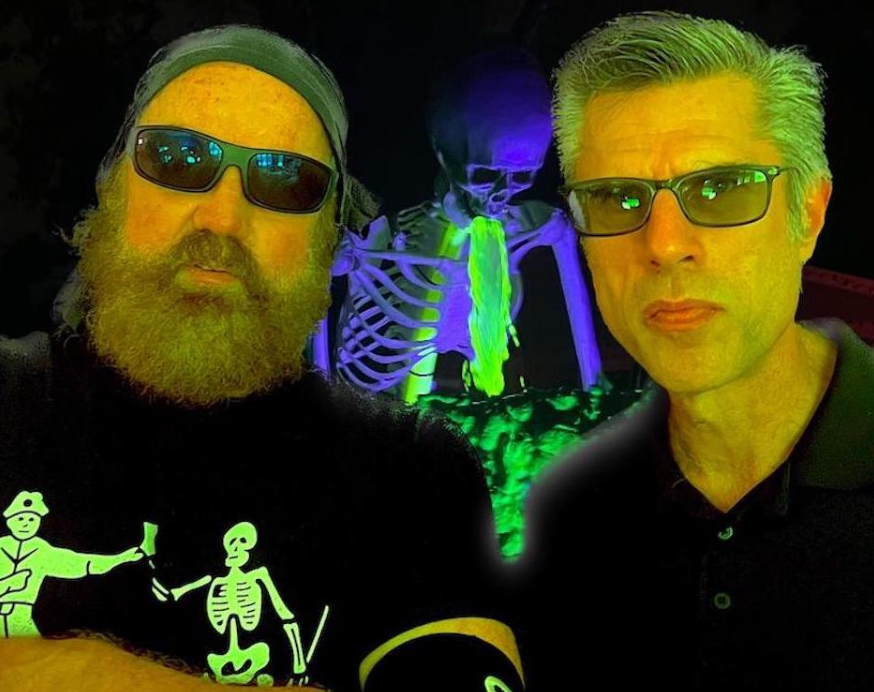
photo by Rosetta West
This album is like a conversation with that same crow, except it turns out to be an old friend telling strange, sad, and funny stories all at once. As I listened to Night’s Cross, I thought, “Damn, it’s all about death.” But somehow, it doesn’t bring you down. The guitars growl, the blues rasps, and then, out of nowhere, gypsy violins burst in. It’s not a gloomy ballad where you sit in a dark corner, sadly counting the last sips of whiskey. Quite the opposite—it makes you want to grab a better bottle, pour a glass for yourself and someone else, and look into the eyes of the night. There’s life there, even when they’re talking about the end of everything.
And here’s another important thing. I caught myself thinking that people usually expect a rock album about death to be full of funeral motifs and mournful wailing for days gone by. In Night’s Cross, all these stories are filtered through a tipsy smile. The Roma folk influence stands out especially—it delicately scratches out fragments of songs on the guitar strings where death doesn’t appear as a menacing figure but dances alongside. That doesn’t mean the album lacks sharpness—it’s sharper than you might think. But its edge is of a different kind, laced with humor and a sly squint.
The blues rock here is rich, yes—it seeps under your skin—while the gypsy melodies pull you into dusty alleyways where fires burn all night, and no one fears the old woman with the scythe. Because she’s already been seated by the fire, laughing along and shaking her bony hands in rhythm.
There’s “Save Me,” which opens a door to the mood of a serene evening. Bluesy guitars weave melodies like a hushed conversation around a campfire. Here, freedom isn’t a slogan but a state of being, a connection to something larger than yourself.
And then there’s “Dora Lee,” which seems to shake up the established calm. The rhythm starts pushing forward, the vocals become unstoppable, almost feral. The sound is intentionally rough, like at a live show where music sheds its sterility and gains raw vitality. The energy of the track feels like a wave—crashing, foaming, then receding, leaving a damp trace behind.
The mood shifts with “Diana.” Minor guitar tones seep with pain and longing, yet they never come across as plaintive. Then “You’ll Be the Death of Me” steps in, quickening the pulse. The drumbeat stitches the rhythm into the melody like a second heartbeat, while the vocals cut through the instrumental layers, leaving you with the sense that death isn’t an adversary but an inevitable companion.
“Desperation” carries a ritualistic quality: ethnic drums and strings create an atmosphere that feels both dark and sacred. But following this track comes “Oh Death,” which sharply changes direction. Here, every note feels like a hymn to life, a celebration of existence. Eastern motifs gently woven into the composition bring a sense of calm and elevation, as if the music itself becomes a prayer.
Then comes “Baby Doll”—my favorite track, by the way. This song explodes with alt-punk energy. A screaming chorus, vocals tinged with a hint of country blues, and a wild guitar solo stitch genres together into something entirely unique. It all sounds like the band is testing the limits of its own daring.
The album closes with “Underground Again”—a minimalist yet powerful finale. The guitars surge forward with relentless force, while the vocals resemble a raspy monologue. It’s all here: rawness, beauty, and the feeling that time is slipping through your fingers faster than you can catch it.
If an album is a journey, then Night’s Cross is a nighttime voyage where streetlights meet shadows. At first, the title and lyrics make you expect a downpour of dark thoughts. But no—there’s more life here than in many “upbeat” records. Perhaps it’s Rosetta West’s approach: they don’t push death away like an enemy; they smirk at it. They wink, shake their heads, and keep playing.
If you’re going to listen to Night’s Cross, do it late at night, when the streetlights flicker lazily—or better yet, in a smoky bar. That’s where this album truly unfolds: rock etches neon patterns on the walls, blues wraps around a hushed crowd, and the violin speaks loudly, reminding you that there’s never enough life—and maybe that’s the point. In the end, Rosetta West isn’t just reflecting on how we leave, but on how we live until the very end.
*This review was made possible by SubmitHub






 Indie Boulevard Magazine