
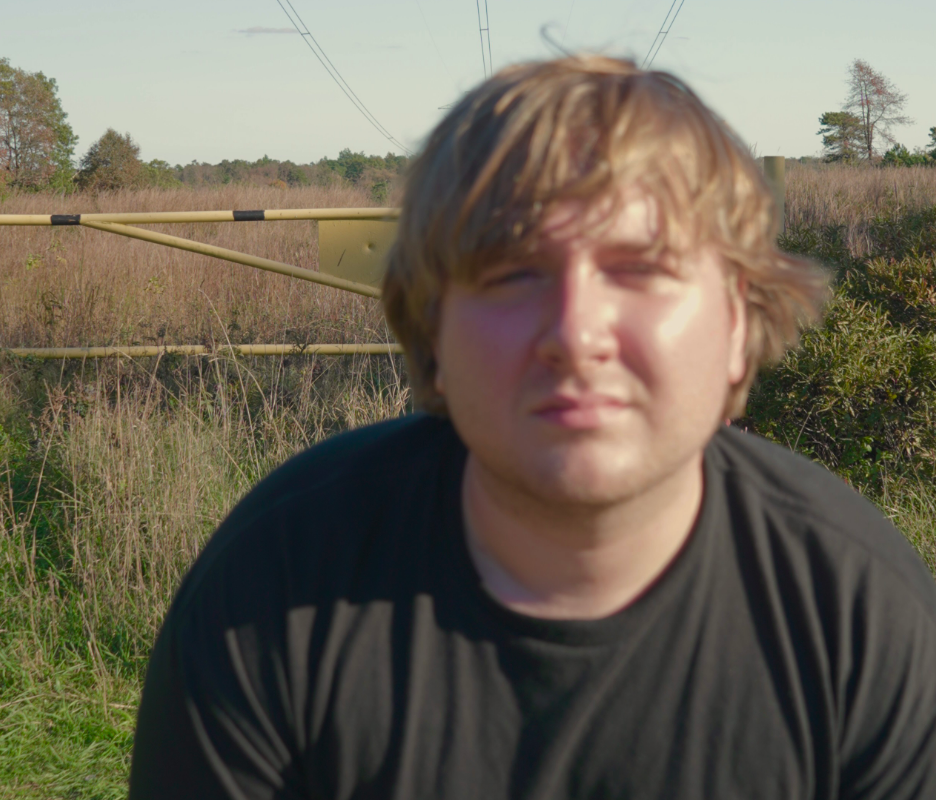
While the March wind outside chases away the last scraps of winter, Zach Savage, this guy from Frederick, Maryland, has dropped his new album, Buh-Bye. It feels like memories of growing up, mixed with an abstract dream, layered over progressive expressionist pop. Sounds like nonsense? Maybe. But damn, it works.
Zach is a one-man orchestra. Everything you hear on this album—lyrics, recording, performance, production, mixing—is his hands, his mind, his heart turned inside out. He’s not the type to spoon-feed you what it’s all about. No instructions included. Buh-Bye is like a cloud drifting above you: you can see anything in it—an elephant, a dragon, or just a gray shadow of yesterday’s hangover. He gives you the freedom to interpret, and that’s the beauty of it.
Buh-Bye is about transitions. You know, those moments when you’re not a kid anymore, but you’re not quite a full-fledged adult with a mortgage either. Confusion, disappointment, fragments of hope—it all drifts through his tracks like leaves floating in a puddle after the rain. And here I am, listening, and a few songs from Buh-Bye hit me right in the gut, because maybe I still remember what that felt like.
The sense of confusion that arises while listening, in part, gives us the freedom to fill in our own stories and relive our own little catastrophes. That’s the essence of it: like standing in a hallway where all the doors are shut, but a draft cracks each one open just slightly—teasing, winking.
When you put on Buh-Bye, at first, it feels like it just wants to lead you by the hand through a warm, translucent afternoon. Lazy Sunday is that moment when the air is still cool, but the sun is already getting ready to spill over everything. Soft pads, an almost weightless vocal, Holden Cowburn’s drums sounding as if they were recorded in a room with the windows wide open. Everything breathes.
But then, the album takes a sharp step forward. Don’t Like To Battle adds tension: the rhythm pushes forward, the melody takes on clearer shapes. Zach Savage doesn’t lose the fragility that was there at the start, but he frames it with sharper edges. The lyrics? They feel like the kind of thing you rarely bring into the light, but where all the truth is hidden.
Zach has a way of handling these things with care. He doesn’t impose; instead, it’s as if he hands you something important and lets you decide what to do with it. Stay Busy wraps you in a light fog, leaving a sense of uncertainty. But that state lingers only as long as it needs to because Not Going Nowhere brings back clarity. The shimmering guitars cut through the haze, and Zach’s vocals gain a firmer edge.
But if we’re talking about tracks that truly stand out, Know By Heart is one of them. Something about it disrupts the album’s usual flow. Bright funk guitars collide with soft pop synths, and Zach’s vocals seem to soak into them. It’s like the track lays a fresh coat of paint over the entire album, offering a new way to hear it.
And then, another shift in mood. I Dunno exists in its own dimension. Swaying keys, a touch of melancholy in Zach’s voice—it all washes over you so gently that you don’t even realize the song is over until it leaves its aftertaste behind.
The final note—No Way Home. Experimental, abstract, almost dream-pop, yet structured. Heather Heath’s layered harmonies dissolve into the air, while the deep bass sinks into the farthest corners of perception. Light jazz undertones surface—familiar, but reworked into something entirely new.
And when the album ends, it becomes clear: Buh-Bye lets you linger on the road to growing up, take a look around, and realize that not everything is so black and white. Sometimes, not knowing where you’re headed is part of the journey.
In truth, Buh-Bye is full of these in-between moods—when you’re no longer a kid but not quite ready to claim you understand the adult world. Zach Savage doesn’t lay it all out for you. He creates a space where you can wander. You can play these tracks in the background in the middle of the night, let them stir up personal associations, get lost in them, and then, after a sip of water, see things just a little differently.
So hit play, turn off the lights, and give yourself time to walk barefoot around the room to these rhythms. In the end, every sound holds a smile, a bit of sadness, a flicker of hope, and a quiet grumble—no clear answers, just the sense that something important is taking shape inside. And when that realization creeps up a few tracks in, it’ll make sense: what you need is a few more questions, a little less predictability, and a calm acceptance of life’s ambiguity.
I could pick out a couple of tracks that hit the hardest, but maybe that’s missing the point. This is an album meant to be heard as a whole, to burn through you from the inside. Buh-Bye isn’t about farewell in the usual sense. It’s more about understanding that some things you’ll never get back—and some you wouldn’t want to.
*This review was made possible by SubmitHub









 Indie Boulevard Magazine