
“Channeled” by Pontea is six tracks that flow in soft waves, succeeding one another like chapters of a meditative journey. The entire EP plays the role of a kind of ritual: three vocal tracks alternating with three instrumental interludes. This alternating pattern isn’t immediately noticeable, because at first you simply sink into the enveloping and hypnotic rhythms.
As if someone gently places a cup of fragrant herbal tea in front of you: you are kindly invited to rest, to listen to the echoes intertwined with the resounding silence in your own head. It’s this tranquil atmosphere that is the first surprise awaiting those who decide to immerse themselves in the recording.
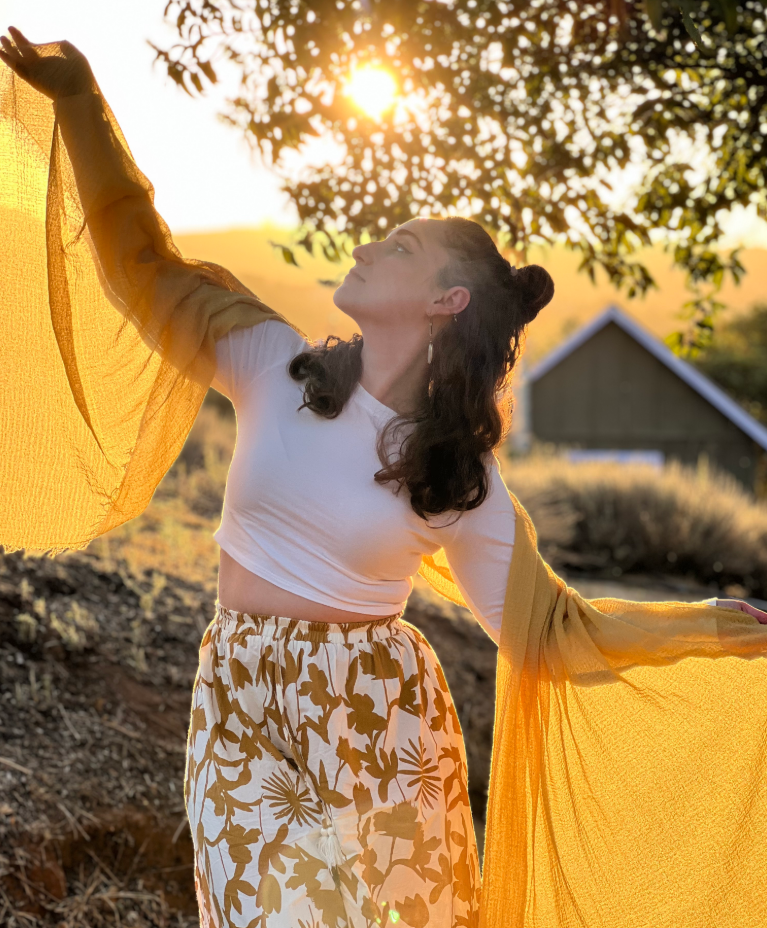
“Channeled” has a special structure, built in the manner of a ritual. First, there are three vocal compositions, and between them are hidden three instrumental interludes. This creates the effect of a ceremony, or perhaps a prayer, that stops time for a moment in silence and then repeats the sacred beginning. Pontea performs everything live, and this is partly where the magic lies — a real performance, released freely, without editorial polish. The recording took place at Meraki Cocoon, where, apparently, the air is filled with a sense of freedom, unity, and artistic experimentation.
The music here is minimalist. The rhythmic pulse soothes, doesn’t rush to call to action, but gently supports the overall mood. The harmonies are also not overloaded with intricate constructions — everything breathes with openness and gives the listener’s thoughts the freedom to imagine the needed details on their own. At times, there is a simple yet mesmerizing pause, from which Pontea’s voice or delicate percussion surfaces. The sounds slowly flow into one another, like water that nothing holds back.
It is also significant that Persian motifs are present in this work. They come alive in the melodies and create a distinct depth, revealing a part of Pontea’s cultural identity. And although there are few words here, these motifs speak for themselves, whispering a story where the paths of different countries and traditions intertwine. In this way, the lyrics become a kind of journey across the composer’s inner map, where each song is a separate stop.
“Call of the Wind” exhales the first sound after a long internal silence. This track isn’t an introduction in the usual sense, but rather a gentle touch on the skin—subtle, yet tangible. There is a flute here that literally dissolves into birdsong. Everything sounds as if the surrounding world has held its breath for a moment, allowing the music to happen.
“Healing My Senses” is already a flow, pure improvisation, from which not a single note can be removed without breaking the fragile balance. Everything here is carelessly-perfect: a slightly trembling voice that sounds like a revelation, and a sacred feeling, as if you’re listening not to a song, but to an inner monologue addressed to the universe.
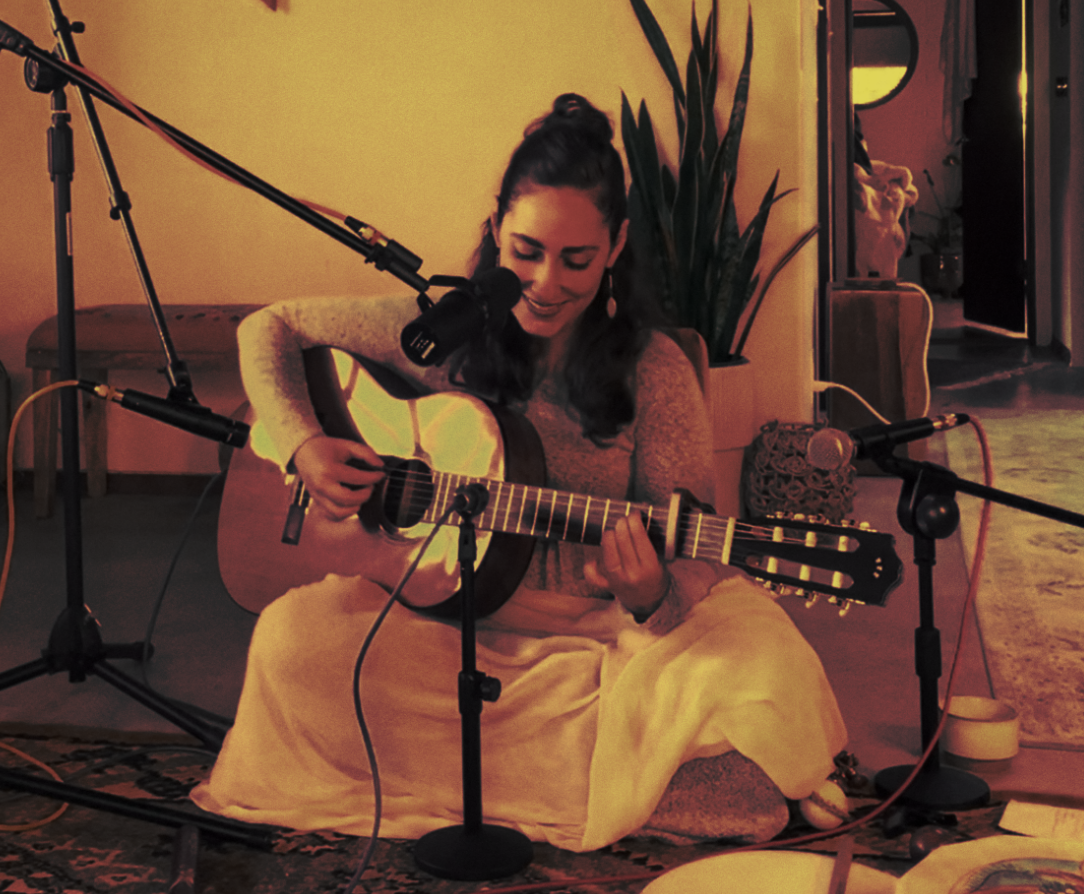
With “Depths of Beckoning”, Pontea turns toward more rooted vibrations. There’s something ancient, almost archaic, in the sound. This track provokes a physical reaction—goosebumps, tingling, warmth.
“Baran” is the most airy, yet at the same time one of the densest tracks on the album. Pontea’s voice sinks into the chest register, then rises upward, almost losing shape, becoming breath, whisper, vibration.
Against this emotionally rich palette, “Sound Doodles” acts almost like a breather—but not in the sense of a “pause,” more like a reset. A monotonous yet mesmerizing rhythm, minimalism, warm percussion—all of it together creates a light trance effect.
And then, the finale — “Misbehave”. Here, Pontea allows herself a little more freedom: the vocals take on a more contemporary, almost pop-like tone, and yet remain within the same hypnotic universe. This track doesn’t break away from the overall mood, but brings a refreshing touch—like a sip of water after a long ceremony.
However, what’s most interesting is that Channeled exists outside of any fixed ideas about what an album “should” be. There’s no dramaturgy here built according to the rules of classic production approaches. The improvisations themselves—and their gentle, “raw” nature—feel more like a personal conversation: Pontea acts spontaneously, no longer needing to prove anything through pre-planned arrangements. There’s something disarmingly sincere in this vulnerability.
From an artistic perspective, Channeled calmly takes its place at the intersection of performance, sound art, and improvisational music. Yet it has preserved its sense of humanity and natural flow. The intonations of the vocals and instrumental fragments form a kind of collective, mantra-based act—a shared exhale. The cohesion of Channeled is felt in the details—in the enveloping synthesized textures, the understated melodies, and the mutual desire to express inner experiences through sound.
Pontea isn’t afraid to be “visible”—to record everything as it sounds in the moment, creating a space of trust between artist and audience. Perhaps that’s why Channeled is perceived so directly: it offers a break from loud statements and lavish arrangements while still touching delicate emotional strings. And that kind of musical openness is truly invaluable today.
*This review was made possible by SubmitHub







 Indie Boulevard Magazine