
Alright, folks, gather ‘round because I’ve got the lowdown on a release that’s so exclusive it isn’t even out yet—yes, I managed to sneak a listen to Darren Pickering Small Worlds’ new album, THREE, scheduled to drop on 30 April, 2025. If you’re familiar with Darren and his crew, you already know the man’s got a thing for weaving melodic textures and modular synth wizardry into a jazz framework.
This time around, the music unfolds with a slow burn, then flips everything on its head by the midpoint, introducing what might be the most future-forward jazz vibe I’ve heard in ages.
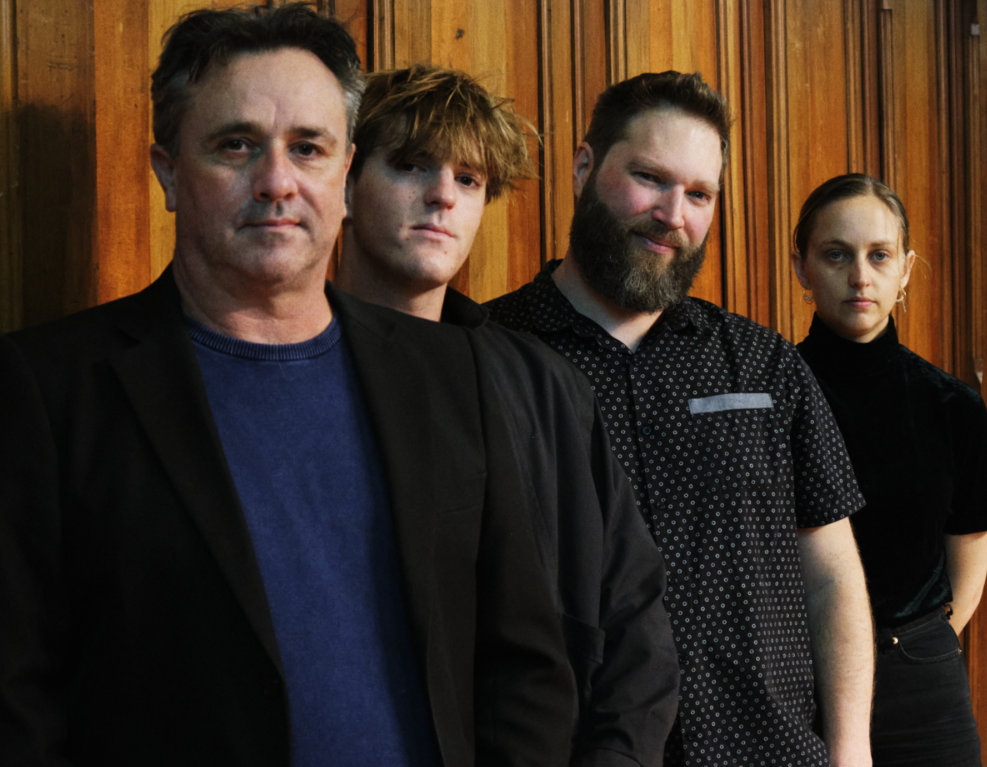
photo by Rattle Records
Let’s be real: the first two volumes from Darren Pickering Small Worlds were impressive, but this third one twists everything you thought you knew about them. The group’s through-composed tunes are jam-packed with improvisational fireworks, aided by swirling synth lines, steady groove interplay, and textural flourishes that keep you on your toes. One moment you’re cruising along with layered piano chords—think of the synergy you get from outfits like The Cinematic Orchestra or maybe an EST vibe—then suddenly the electronics veer off into new territory. Modular patches creep in, the rhythmic undercurrent shifts, and the entire sonic landscape glistens with otherworldly color.
This chapter in the Darren Pickering Small Worlds saga is a deep, layered listen, tailored for jazz aficionados who like a little forward-thinking mojo. RATTLE is releasing it as a Print-on-Demand CD and digital download, and it’ll be up on all major streaming platforms. Expect the usual impeccable production standards, though there’s a satisfying raw edge to how the instruments mesh—like they’re chasing an idea at the exact moment it pops into existence.
The new album Three by Darren Pickering Small Worlds drops on April 30 — yes, this is an exclusive, yes, I’ve already listened to it (don’t ask how), and yes, it completely shifts the frame of reference when it comes to modern jazz. This isn’t “jazz with an electronic twist,” and it’s not “post-bop with atmosphere” either. It’s… a strange hybrid of something deeply alive, intelligent and heartfelt, but without putting on airs. I want to talk about a few tracks that really stuck in my head — or rather, dissolved into it.
Modular Synths, Swirling Harmonies
The album opens with Green Blinking Light, and it feels like an internal prelude to sleep, where modular synths carry on a gentle dialogue with the piano, and the percussion breathes evenly — not like a metronome, but like a living being. Very meditative, very cinematic. The kind of track where you’re listening, but your eyes start to close on their own — because something inside is settling down. What If — this is where the wordless conversation begins. The piano harmonies are almost confessional, like you’ve stumbled upon someone’s private moment. The bass and guitar don’t interrupt, they help speak. It’s a soft time capsule, something to hide inside for five minutes and finally exhale.

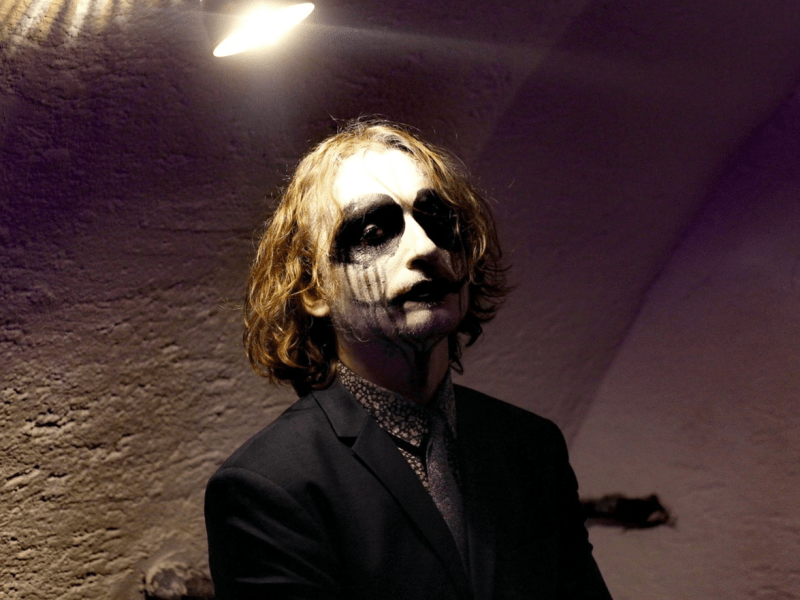
photo by Rattle Records
Tauhou Waltz sneaks in almost unnoticed. Everything’s light, at times almost ghostly. But it’s in this track that you start to hear how incredibly the group functions as a single organism. Every instrument is like a brushstroke on the same canvas, and together they paint something very warm — even if you’re not quite sure what it is.
And then there’s Soft Life — that’s a different planet altogether. This is where that moment I mentioned earlier starts to take shape: somewhere around the album’s midpoint, a shift happens that makes you want to call it futuristic jazz, though no label really sticks. Everything gets a little more electronic, a little less predictable. An ordinary day suddenly becomes a neon dream. The modulars get more aggressive, but still leave room to breathe. It’s very cybernetic, but also organic. Sounds like a city where electricity is the language.
Hjartdal grows out of that landscape almost like an antihero. Colder, more distant, with a clear post-rock vibe that doesn’t shout, but pulses underneath. Then comes Folly — controlled chaos. This is where the group drops all structure and gives in to impulse. The sound turns dense, even a bit psychedelic, with sharp transitions and internal fractures in the melody. And honestly? It works. You don’t always know where you’re being taken, but you trust it — because it sounds utterly real.
The final track, Push Bliss, is the reason you’ll want to listen to the album all the way through, uninterrupted. It doesn’t deliver a grand finale, doesn’t blow everything up. Instead, it simply dissolves into you. It gathers everything that came before and folds it into one warm gesture.
If you’re new to Darren Pickering’s projects, know that he’s collaborated with a ridiculous roster of talent—everyone from American jazz heavyweights like William Parker and Bobby Shew to national icons like Dave Dobbyn and Anika Moa. He’s all about taking jazz harmony, blending it with cinematic moods, and letting the modular rig unleash its swirling magic. On THREE, he levels up that formula with a sense of unbridled creativity that bubbles over. So, if you’re itching for something that challenges your idea of what jazz can be, keep an eye on THREE by Darren Pickering Small Worlds. Trust me, it’s worth the hype.
*Promoted content. All information provided is prepared in accordance with editorial standards and is intended to offer useful insights for readers.






 Indie Boulevard Magazine