
Artists often claim their music blends various influences, and usually, that just means a predictable Spotify playlist dressed up as innovation. But Mira. genuinely embodies this idea, fusing neo-soul, R\&B, jazz, rock, and Arabic folk into something distinctly original. Her songs create conversations between genres that might seem contradictory, delivered with introspection and warmth.
Born in Cairo, Mira spent her childhood moving between Damascus, Egypt, and the U.S. before the Syrian war forced her family back to Cairo permanently. Her upbringing shaped the way she phrases, the way she pauses, the way her songs move without ever settling. Mira conveys vulnerability with resilience, the emotional strength of someone used to finding stability on constantly shifting ground.
Her musical foundation was shaped by legendary voices—Aretha Franklin, Ella Fitzgerald, and Fairuz—but Mira never falls into mere imitation. After honing her craft at New York’s Mannes School of Music, she made an impressive debut at the Cairo Jazz Festival in 2020. Returning to New York, Mira quickly earned recognition with intimate performances at iconic venues like The Bitter End. Her debut single, Send Me a Sign, effortlessly surpassed 30,000 streams within its first month, an achievement most newcomers dream about. Currently, Mira is crafting her upcoming EP, Delirium, alongside Grammy-nominated producer Ian Kimmel and songwriter-producer Miette Hope at New York’s Biscuit Head Collective. Early previews suggest the project takes genre boundaries and quietly tosses them aside, shifting shape
We recently spoke with Mira about her unique journey: navigating the uncertainty of an early life scattered across continents, finding emotional solace in music, and ultimately embracing complexity rather than simplifying her identity for easy consumption.
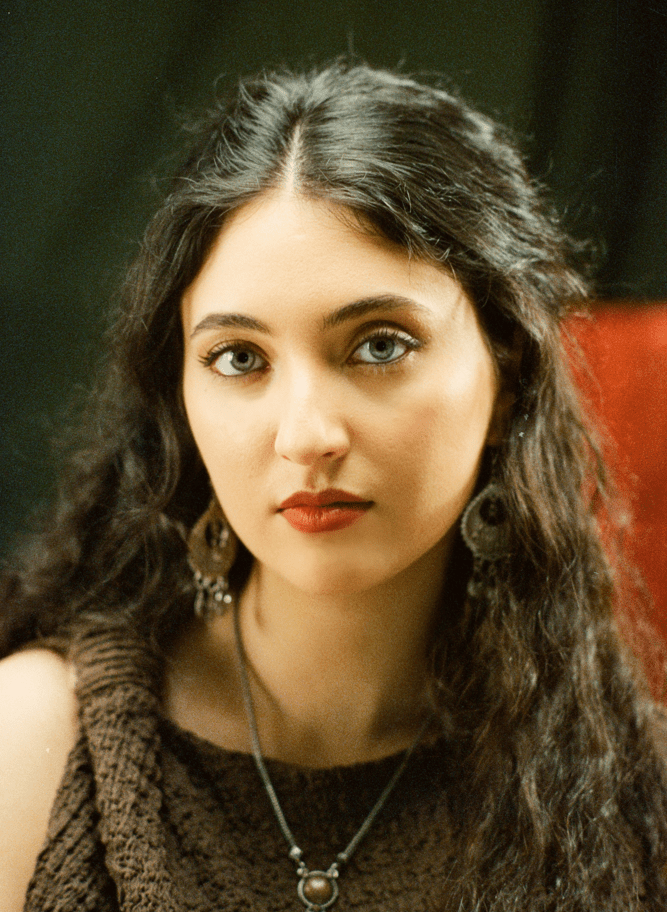
Hi Mira, it’s truly an honor to speak with you. You grew up between Cairo, Damascus, and the U.S. — that already sounds like the first act of a film. In one interview, you said that this experience left you with a constant feeling of being in-between, like you never fully belonged anywhere. And yet, your music feels incredibly whole — like you’ve pulled all those pieces together into something unified. When you sit down to write a song, do you find yourself returning to those cities and memories? Or have they already blended into one voice that just sounds like Mira.?
That’s a great question! I think I’ve developed a really strong and grounded sense of peace with myself and all my blended identities and that definitely came after years of reflection and inner work. Growing up, it was challenging to navigate being both Egyptian and Syrian, while also being both westernized and deeply rooted in my Arab heritage. These days, the struggle really only shows up when other people try to put me into one box. That’s their challenge, not mine. I’ve found so much clarity and confidence living in the in-between.
Because I no longer carry shame around that space, my music doesn’t tend to focus on the struggle of identity. The sound is a natural blend of my cultural backgrounds, merging Jazz, Neo-Soul, and Arabic Folk. The lyrics explore universal themes of being a girl in her early 20s, navigating life, love, heartbreak. I think that’s what makes the music feel relatable, it tells familiar stories, but through the lens of these layered, cross-cultural sounds that reflect who I am.
Your new single ‘Waiting’ recently came out. When you release a track like that — or really any of your songs — you know people are going to start dissecting it, projecting their own meanings, turning it into their own story. Does that worry you at all, if someone interprets it in a way you didn’t intend? Or is that the point — that everyone finds something different in it?
When I released Waiting, I knew that would happen and I welcomed it. I never expected it to reach the same commercial numbers as Send Me a Sign; it’s a slow, emotional ballad. But I knew it would hit home for the people who needed it most.
There’s something beautiful about how, as songwriters, we pour our souls into a heartbreak track, and then the moment we release it, it stops being just ours. It becomes part of someone else’s story. Since Waiting came out, I’ve had people (some friends, others total strangers) reach out to share what it meant to them. I was incredibly honest in that song, in ways I hadn’t been before. One lyric in particular ,“maybe I overstayed in fears of making you better for somebody else to love you, to hold you, what do I do?”, was quite vulnerable and nerve-wracking to write. I worried it might sound egotistical, but it ended up being the line that resonated most with people. It gave words to something many were already feeling without a sense of shame attached to it, Its honest. Being vulnerable in music is scary, of course. But when people see themselves in these stories and find healing in it, that makes all the risk worth it.
You mentioned that ‘Waiting’ was inspired by a poem by Khalil Gibran. Do you often draw from Arabic literature and poetry when you’re writing? Or was this more of a one-time moment where the words just hit you exactly where you were?
Arabic poetry and folk songs are a huge source of inspiration for me. Waiting was inspired by Gibran’s poem Do Not Love Half Lovers, which speaks on how we should not settle for half a life, half a love, we deserve to live a life as whole as we are. Send Me a Sign also nods to his writing, specifically On Joy and Sorrow from The Prophet, which brought me a lot of comfort during some of my darkest days. And my upcoming single The Nights actually samples Bent El Shalabeya, a classic Syrian folk song.
As a songwriter, I really believe poetry is the root of what we do. Studying it sharpens your emotional vocabulary and forms well seasoned writers. Some of the most powerful poets in the world come from the Arab world, their skillful use of language and portrayal of emotion is a masterclass to any writer. Arabic folk music often builds on that poetry as well.
I don’t think I’ve mastered my craft yet, but I want to keep learning as much as I can to compose and write with that same level of care and attention to detail. One day, I hope I can contribute to the craft in the same way those greats did.
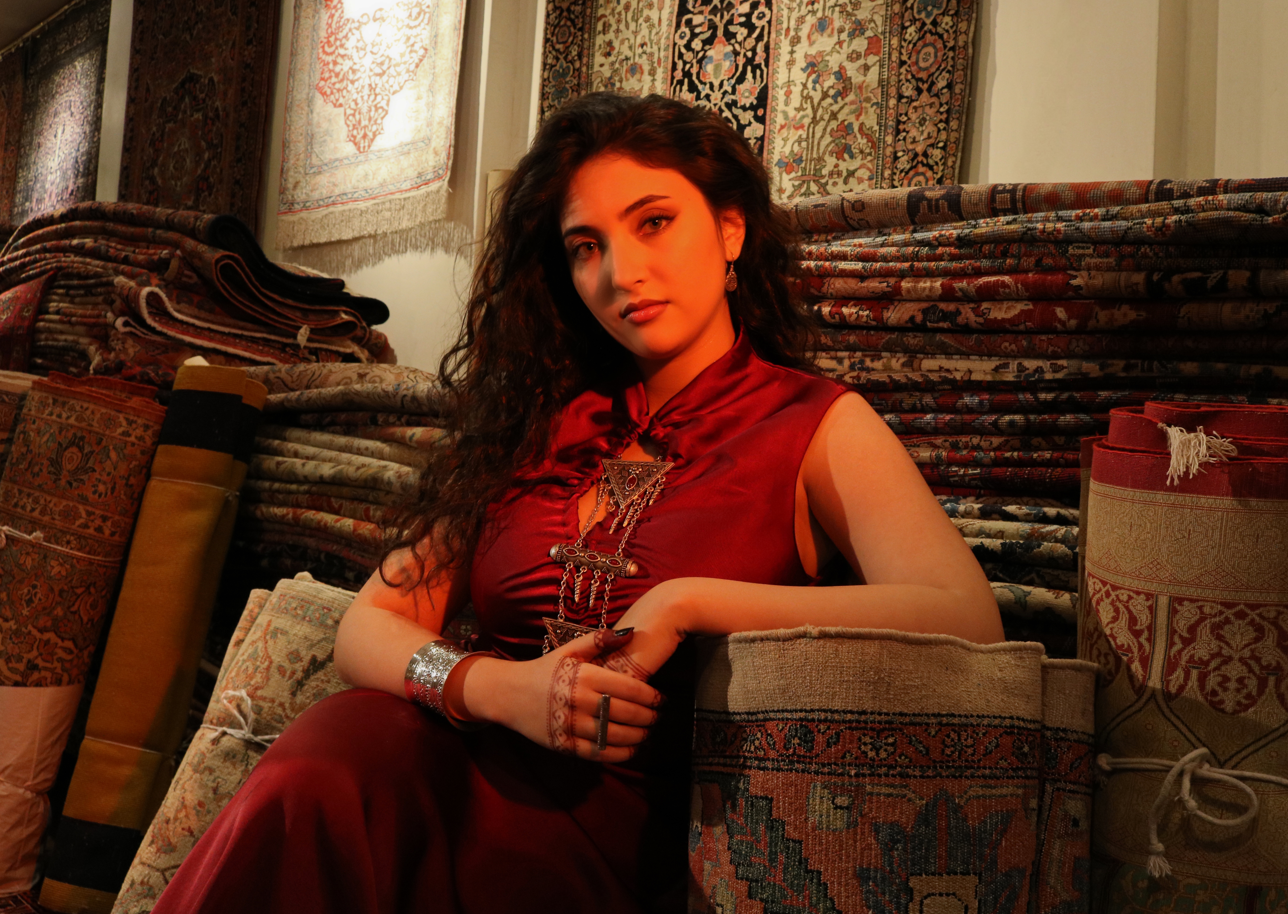
Besides being a singer, you’re also an actress and a director. You’ve been in front of the camera, on stage, behind the scenes. But in music — you’re out there as yourself, raw, no character to hide behind. In that moment when you’re standing in front of people, singing song like ‘Waiting,’ do you feel more at ease than on set? Or is it actually harder — because it’s not a role, it’s just you?
It’s definitely harder, but it’s also more rewarding in some ways. On stage as a musician, there’s no mask, no character to embody. You’re just… you. Exposed, raw. But I’ve found that’s how people connect with you and the music the most.
Of course there is so much joy and impact as an actor and director in telling someone else’s story, its a great act of empathy to help bring their world to life. I love that, and need it in my life.
Doing all three (music, acting, directing) keeps me balanced. Music can be emotionally intense because you’re constantly offering parts of yourself. So having other creative outlets where I tell stories beyond my own helps ground me. It’s all storytelling, just in different ways. I feel very grateful to be able to juggle between multiple mediums of creative expression.
Your first single gained traction quickly, and the second one didn’t go unnoticed either — and with that kind of response comes expectations. Do you ever feel like when you’re writing now, someone else is already in the room with you — a listener, a playlist, a number on a screen?
Sometimes, yes. I wouldn’t say it’s changed my style to be more “commercial” or anything but I have a better understanding of what people are craving. There’s a beautiful wave of Arab music rising in the industry right now. So many artists are carving space for it globally. I feel that my way of blending genres (Jazz, Neo-Soul, Arabic Folk) adds something new to the conversation. It’s a fresh take on this Arab/Western hybrid sound, and I think people are ready for it.
That said, my sad ballads aren’t going anywhere, I’m a student of Adele and Amy Winehouse after all! But I’m excited to expand the palette, to give people something they haven’t heard before.
You’re now working with people who have Grammys, Billboard credits, and big projects under their belt. For some artists, walking into a room like that feels like a dream — for others, it’s pressure. What’s it like for you? Do you feel that internal push to step up, or do you walk in feeling like a peer, someone with her own voice?
I dont necessarily feel additional pressure, I think the pressure I put on myself is always a lot stronger than anything external (I’m working on that, lol). Genuinely, everyone I’ve worked with has been so lovely, grounded, and collaborative. I feel so luck to know them. Once you’re in the room, the accolades fade into the background, and what you’re left with is just mutual respect and creativity. It ends up feeling like you’re working with friends (friends who just happen to be insanely talented). And yes, sometimes you’re working long hours in the studio while munching on croissants and yapping about your dating horror stories. That balance is so important!
You’ve played in both Cairo and New York — and audiences connected with you in both places. But did the way people listen feel different from city to city? I don’t mean better or worse — more like, does the atmosphere shift? Do you feel that when you step on stage?
Absolutely, the vibe is different in each city. In New York, people love participating in the moment. They’re open to dancing, singing along, being in the experience. But getting them to show up is the challenge, there’s just so much going on here every night. After the show, they often move on quickly and its harder to retain their attention.
Cairo, on the other hand, is the opposite. People are constantly searching for shows to attend. They’re a little harder to win over during the performance, you have to earn their applause (which, to be fair, I love a challenge) but once you do, they genuinely become dedicated life long fans. There’s a sense of loyalty from Egyptian audiences. Both cities have amazing taste and openness to new sounds, just with different energies. I feel lucky to have played for both.
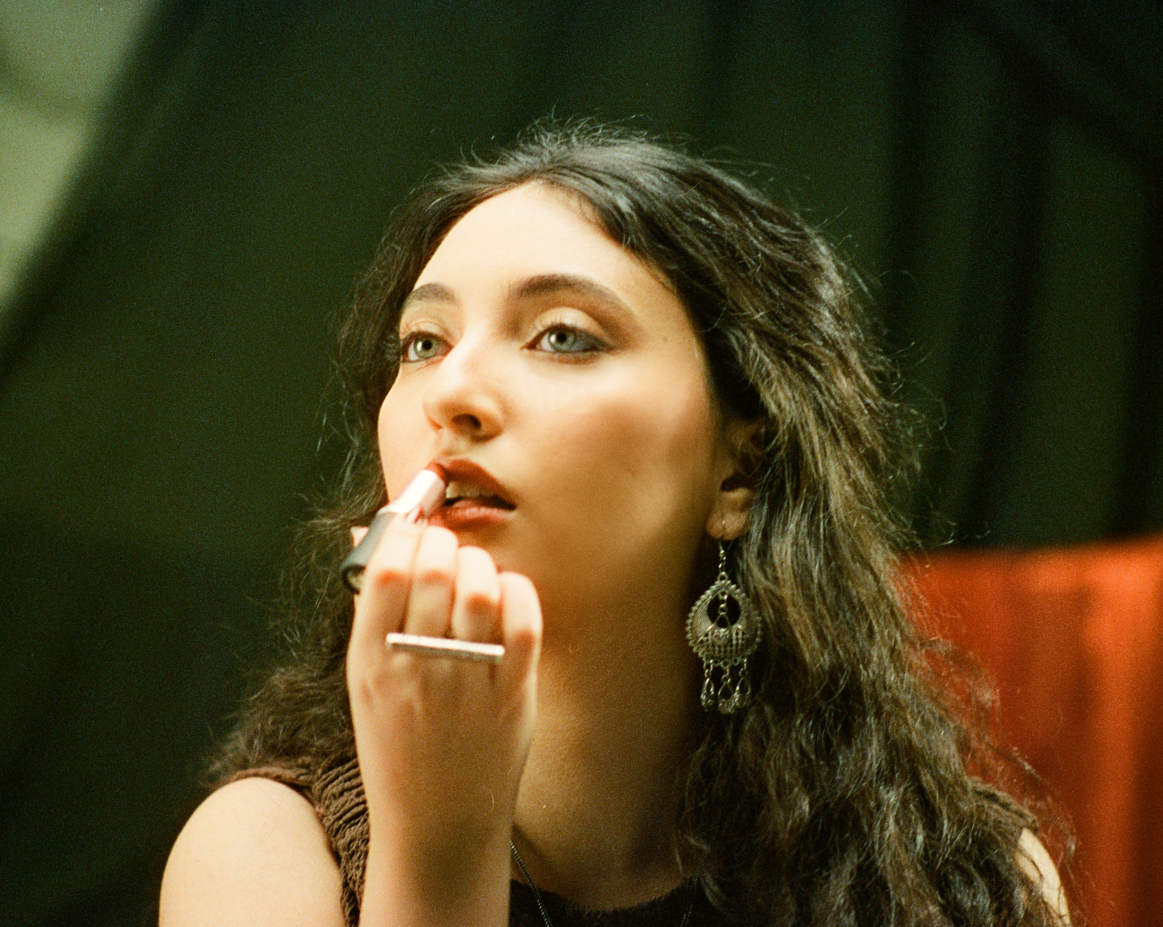
Your new EP ‘Delirium’ is coming out soon. Even the title grabs you — it’s strong, a little unusual, and kind of open-ended. When you chose that name, were you thinking more about what was happening inside you at the time, or was it more a reaction to how the outside world felt?
For me, Delirium was the most accurate way to describe that chapter of my life. I originally thought of calling it On Love and Loss, but Delirium captured it more fully. The songs span four years, almost a diary, of some of the most emotionally chaotic years I’ve experienced. I lost my father, and a chain of life-altering events followed. I was deep in depression, and everything felt amplified. Pain felt louder. Joy, when it came, felt manic. Nothing was steady. I was just trying to hold on as the world spun around me.
That chaos is reflected in the music. Even the love songs have this feverish quality to them. It’s only in the last track, The Nights, that we start to hear some stillness, some peace. With the last lyrics of that track (and subsequently the EP) being “my love held on, goes on”. The Nights also hints at the sonic direction of my future work. Delirium is the storm. What’s coming next is a reflection of a different chapter showcasing the growth that comes after surviving. I hope listeners find themselves in that journey too.
You spend a lot of time in the studio, but everyone needs a way to unplug. What actually helps you recharge outside of music? Maybe a film you’ve rewatched way too many times, a book you keep pulling off the shelf every six months, or a ritual like “no talking till I’ve had my tea”?
I love this question! Definitely a whole lot of “no talking till I’ve had my tea”, I’m a big tea girl. I think most of my favorite memories in life revolve around being surrounded by loved ones drinking our black tea with milk. Which to be fair is quite a universal Egyptian experience lol. I spend a lot of my time going on walks, I’m grateful to live in New York where I have constant access to the river. At least once a week you’ll find me spending a lot of time sitting at one of the Piers by the Hudson River. I also go to a lot of art museums. I find a lot of joy and inspiration in consuming art forms that are different from mine, I’ve gotten inspiration for music and film concepts from paintings, sculptures, even ballets! Its beautiful and therapeutic to watch other people excel at their craft, even if its completely different from yours, its quite a spiritual and inspiring experience! I also love binge watching TV shows, currently watching (and can’t stop talking about) Love Island USA. I am not immune to this wave, Its messy but so addictive, my god.
And to close, a bit of a philosophical one — forgive me, I tend to overthink things, can’t help it. What does fame mean to you? It’s got so many faces. You start off just wanting to make honest music, and then come the attention, the industry, the expectations. Some people see it as a goal. Others see it as a side effect — fine, it happened. For some, it’s a tool to amplify their message. And others prefer not to even think about it — because chasing fame can throw you off track. Where are you in all that — when you really check in with yourself, without the mask?
Its a really difficult concept for me to come to terms with if im honest. The idea of losing the freedom to exist anonymously really scares me. I don’t want to be someone who can’t go for a walk or run errands without being watched. Fame is intense and quite terrifying. However my goal is impact. I want to be the kind of artist who’s music reaches many people and leaves an impact in the industry. I want success, not fame. Which is very difficult to achieve in this industry as they are often intertwined. I dont really have an answer to this, its never a goal. But realistically as a musician you need tickets sold to tour and listeners to stream in order to make more music and that is difficult to achieve in this day and age without the sacrifice of at least a little fame. I make music in hopes I can make people feel the way my favorite artists made me feel. Each of these artist who have inspired me navigated fame differently. But I think my ultimate goal is to stay grounded, keep my head down, and be the best artist I can be. The rest is up to god and whatever he has in store for me, I just pray I will be able to navigate whatever may come of it.
*Promoted content. All information provided is prepared in accordance with editorial standards and is intended to offer useful insights for readers.



 Indie Boulevard Magazine