
If you don’t know Lanz Pierce yet, you’re about to. She toured with Snoop at 17, landed her first deal via Jimmy Iovine, and casually name-drops collaborators like Nile Rodgers and Three-6-Mafia — but that’s just the prologue. Today, Lanz focuses less on chart positions and more on building empires. Think rapper meets startup founder meets creative director with a side of ‘I’ll just casually sell a company to Jack Dorsey, no big deal.’
Her résumé is chaos in the best way: major-label past, indie albums with real bite, music videos for reggaeton stars, and a fintech exit under her belt. She’s also the brain behind branding for AI-music ed platforms and crypto-streaming apps, while still dropping bars that could slap your phone out of your hand. Her latest single ‘GET IT’ sounds like a playground diss track for corporate America and gender norms — but make it catchy.
Lanz pulls from Eminem’s early irreverence and twists it into something razor-sharp, female-fronted, and fiercely 2025. She’s the friend at brunch who’ll roast your ex, call out your boss, and then Venmo you for the mimosa she ordered for you without asking. We sat down with Lanz to talk hip-hop, hustle, and why she’s over the whole “play nice to win” strategy — and trust us, locking her down for this convo wasn’t easy. Between running her creative agency, dropping heat, and disrupting entire corners of the music industry, catching Lanz is like trying to schedule a FaceTime with a hurricane. But we made it happen.
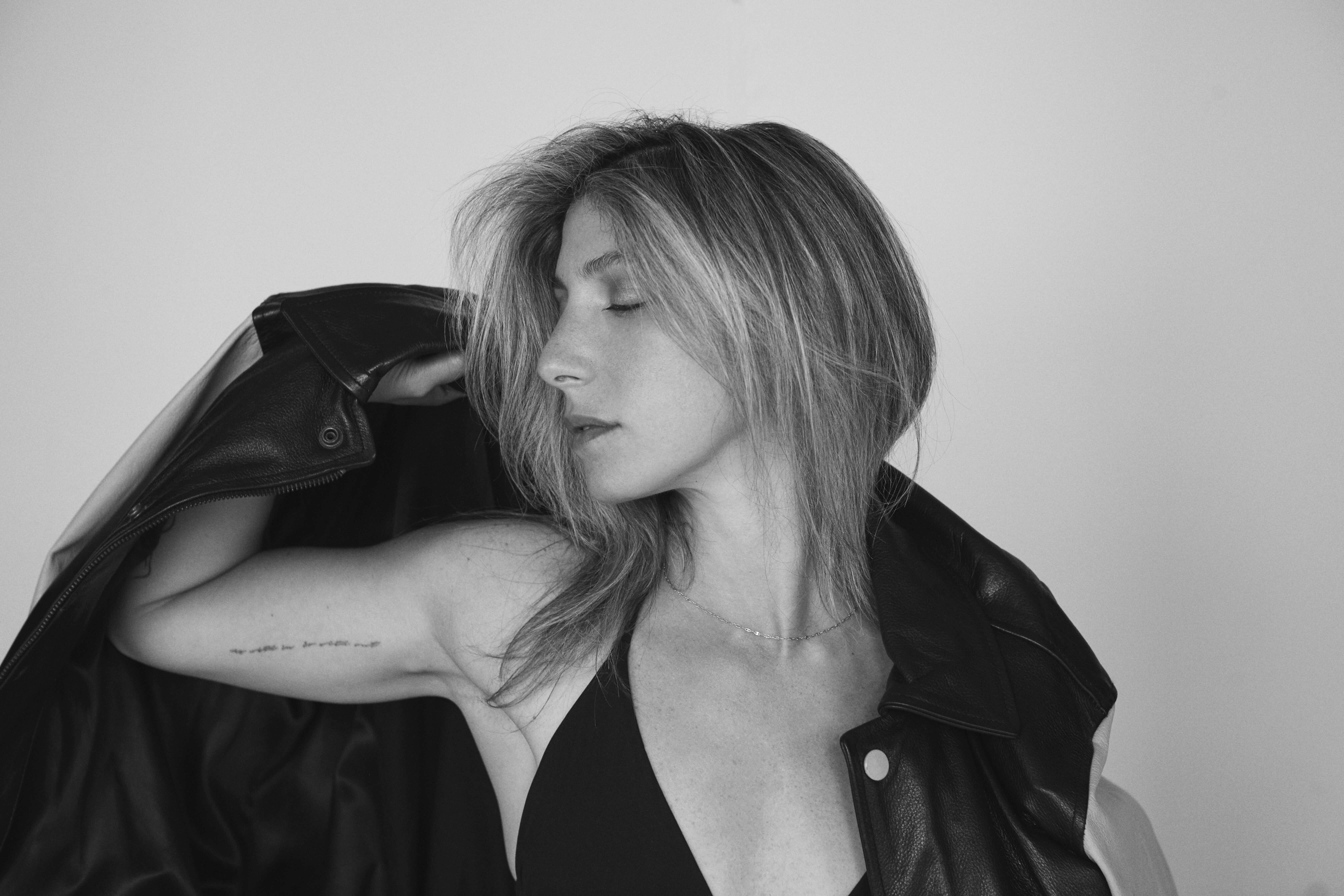
Hey Lanz, really appreciate you taking the time — I know you’ve got a lot going on between the music, the creative work, and everything else you’re building, so it means a lot. I’ve been spinning “GET IT” nonstop It’s snappy, bold, has that smart-ass energy that made people sit up when Slim Shady first came on the scene — but now we’re in a completely different world. Back then, you could say wild shit and just let it ride. Now everything lives forever, gets clipped for TikTok, debated on Twitter, thrown into think pieces. And yet, somehow, you managed to tap into that raw early-2000s spirit without sounding like you’re stuck in the past. That’s wild. So like — how do you keep it real to your roots and still make it hit in 2025 without turning into some throwback vibe?
Appreciate that. Honestly, for me it starts with intention. I’m not trying to recreate the past — I lived it. I am that era, but I’m also rooted in where we are now. I came up in a time where bars mattered, where you had to earn your voice, not just go viral. But I’m not trying to be a museum piece either. I evolve — sonically, emotionally, spiritually. I’m not chasing trends, but I’m aware of the landscape. “GET IT” is raw on purpose. It’s got that cocky, unapologetic energy because that’s still in me — and still needed. But the production, the cadence, the clarity — that’s all 2025. I’m using the tools of today with the discipline of where I come from. And at the end of the day, I think people connect with truth. Whether it’s a TikTok clip or a deep cut, if it hits that real nerve, it sticks. That’s all I try to do — tell my truth in a way that cuts through the noise.
“GET IT” taps into the tension of being an artist in the age of TikTok and curated identities. There’s pressure to perform, post, brand yourself 24/7. As someone who moves in and out of different spaces — music, tech, visuals — how do you stay grounded in a culture that constantly demands self-promotion and performance?
Yeah, it’s wild out here. The pressure to constantly perform or package yourself can be exhausting — especially when you actually do the work. For me, staying grounded means knowing who I am outside the noise. I’ve worn a lot of hats — artist, founder, creative director, strategist — but none of them define me. They’re just different outlets I move through depending on the vision.
I think the trap a lot of people fall into is confusing visibility with value. I’m not here to feed the algorithm — I’m here to build something real. So I move with intention. I protect my energy. I don’t post to keep up — I post when I have something to say. And I stay tapped in with my team, my process, and my purpose. That’s what keeps me grounded. Not the performance — the alignment.
You’ve got one of the wildest setups right now — bars on point, vision sharp, and at the same time you’re directing videos, running your agency, and getting deep into music-tech with things like Tune.FM, YousicPlay, and everything you helped build at HiFi. Most artists say they’re independent and just mean they self-release on DSPs. You’re out here building actual infrastructure. So when you’re bouncing between writing bars and being in rooms with tech founders, or shaping platforms that change how artists get paid — how do you keep the music side from getting drowned out? Is it all one creative mindset for you, or do you have to flip the switch and become someone else depending on the room you’re in?
I don’t really see it as switching — it’s more like channeling different parts of the same core energy. Whether I’m in the booth, on set, or in a boardroom, it’s all the same creative instinct: build something that hits, that moves people, that changes the game — it all comes from that same fire.
But I won’t lie, it’s a balance. I once had a zoom call leading a venture capital pitch meeting and a live radio phone interview at the same time I got double booked for. It’s in those moments I’m a bit like Clarke Kent and Superman dual personas that I reflect on things, but also it’s thrilling & probably sharpens the music. It gives me more perspective, more language, more reasons to say what I say. I’m not trying to fit into a lane. I move through different roles, but the mission’s the same: ownership, impact, legacy.
There’s a fearless quality in your lyrics, especially evident in “GET IT,” which challenges double standards and gender expectations head-on. Hip-hop has historically grappled with issues around gender roles and representation. Where do you think the genre is today regarding these issues, and what role do you want to play in pushing this conversation forward?
Hip-hop’s always been a mirror — sometimes cracked, sometimes clear — but it reflects the culture. And yeah, it’s come a long way when it comes to gender, but there’s still a lot of unlearning that needs to happen. You’ve got more women at the front now, more fluidity, more room for expression — but the double standards? Still loud. Still baked into the system.
For me, I’m not here to ask permission or fit into some watered-down version of what a female artist is supposed to look or sound like. I grew up in cipher circles and studios where I had to out-bar everyone in the room just to be heard. That fire never left. But now, I get to channel it with more power, more purpose, and with platforms I helped build.
I want to push the conversation forward by showing what’s possible — not just talking about it, but embodying it. Being fearless with my pen, unapologetic in my presence, and strategic with my moves. That’s the role I play: not just breaking molds, but making space for others to do the same — on their terms.
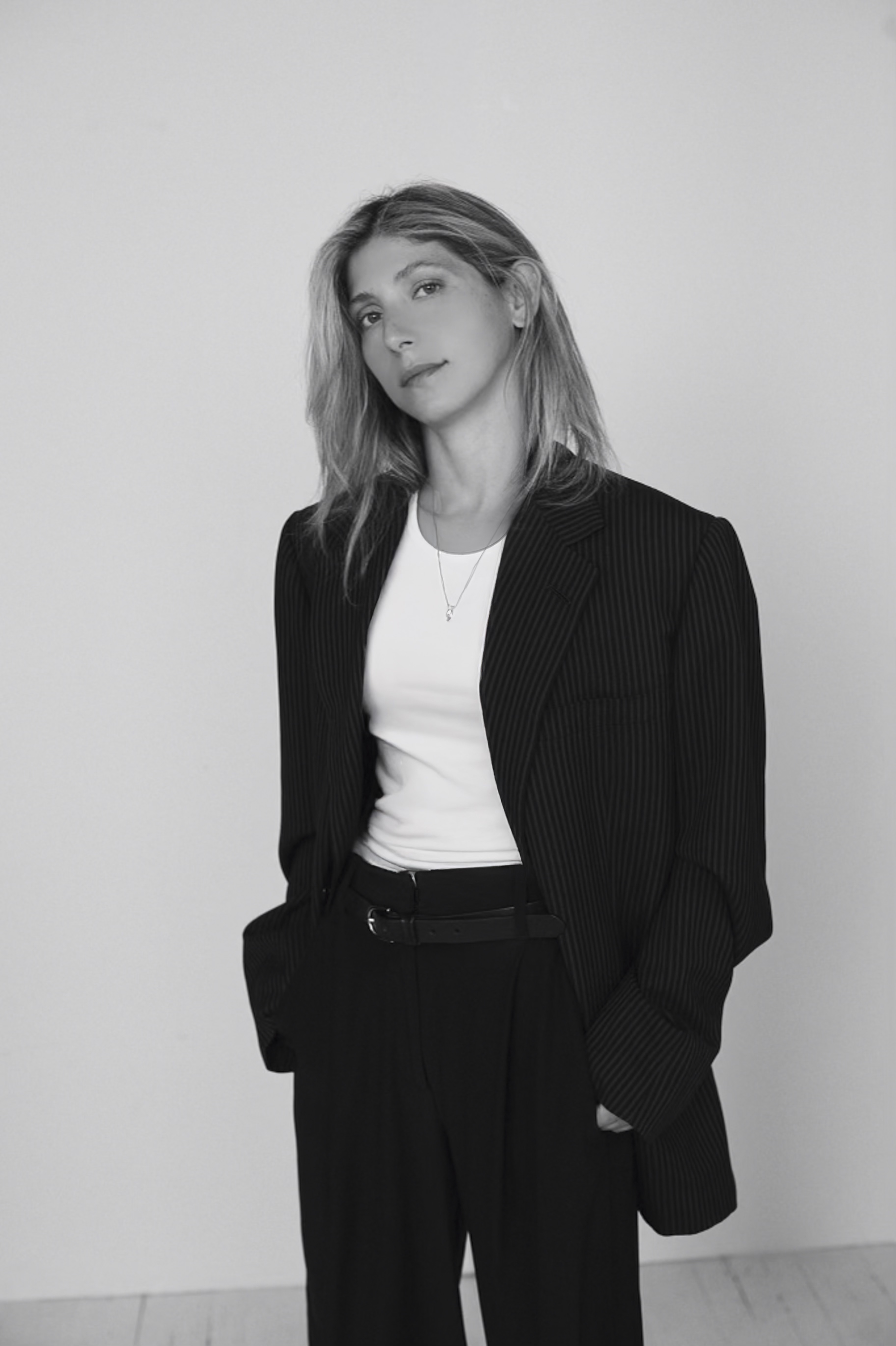
You worked closely with legends like Nile Rodgers and collaborated with figures such as Three 6 Mafia, yet you ultimately stepped away from the major label machine to build your own imprint. Having experienced both sides, would you say independence has deepened your artistic freedom, or has it added new pressures that didn’t exist within a traditional system?
Stepping away at the time wasn’t an act of rebellion — it was about survival. It was a moment of clarity. I see it differently now. I’m not anti–major label, to be clear. There’s real value in partnership. But that’s the key — I had to create my own value first. Only by doing that could I return to the table with the perspective that the corporate engine is a tool — powerful, yes, but one that only works if I’ve already built the baseline of my brand.
Leaving was hard because it required me to replace my value system, and not identify as an artist who was shelved, but rather see the blessing in disguise – Independence. The autonomy gave me the freedom to take risks, to evolve without waiting for a greenlight. But yeah, it comes with pressure. When it’s yours, there’s no one to blame if it doesn’t land. You’re the engine, the budget, the strategy, the voice. That pressure either sharpens you or breaks you. I’m not just an artist — I’m a builder.
Your new single hits hard on identity politics and social expectations. It’s clear you’ve experienced the industry both as an insider—signed as a teenager—and as an independent outsider running your own projects. If you could deliver one piece of advice to emerging artists navigating this landscape today, what’s the realest thing you could tell them?
I’d tell them to get out of their own head, don’t be too precious, drop the song, let the people feel it. Balance EQ & IQ and use the power of community to grow your following & support system. Most importantly, know who you are before anyone tries to tell you who to be. This industry will shape-shift around you — one minute you’re the next big thing, the next you’re too “this” or not enough “that.” If you don’t have a solid core, you’ll spend your whole career chasing someone else’s version of you.
I was signed young, thrown into rooms with execs who had no idea what to do with someone like me, then walked away and built everything on my own terms. That freedom comes with responsibility, but it also comes with truth. You have to treat your art and your business like legacy work, protect your voice, your rights, your time. It’s not about being everywhere, it’s about being undeniable when you do show up.
“GET IT” doesn’t shy away from sexuality and gender, issues that remain deeply personal yet heavily politicized. Given how social conversations around these topics can turn polarizing very quickly, do you ever worry about being misunderstood, or is that exactly the point?
I’m not sure there’s anything to understand, I mean that in the sense that it’s all subjective anyway – music is subjective. The way you hear & feel will always be different to the next person’s experience. I can’t manage or worry about interpretation. Being understood is not the goal, it’s to be a creator of energy, inspiration, vibes, provoke conversations that need to be had, and whoever’s supposed to connect with it, I have no doubt will.
You’re coming with heavy bars, clear vision, and you’ve been building real things outside of music — but hip-hop still loves putting women in boxes. Rapper, singer, sex symbol, activist — pick one. Have you ever felt boxed in by the way the culture tries to market you, or have you just decided to bulldoze through all that and make your own category?
Honestly, you nailed it. I hope my next headline reads just like that:
“Lanz Pierce: Rapper, singer, sex symbol, activist, bulldozes boxes and creates her own category”
We should title this article that, ha!
There’s been this ongoing debate about the value of streaming, blockchain music platforms, and AI-driven content. You’re deeply involved with platforms like Tune.FM and YousicPlay. As someone who thrives on challenging systems, how do you envision the future of music tech impacting both artists and listeners in the coming years?
We’re at a tipping point. The old systems were never built with artists in mind — they were built to extract. Streaming gave us access, but not equity. And now with blockchain, AI, and platforms like Tune.FM and YousicPlay, we finally have the tools to rebuild the foundation — this time with creators at the center.
Tech and music are now synonymous. The way we consume content, socialize ideas, have meaningful dialogue — even how we measure the success of a song — it’s all driven by tech and creator-adjacent platforms. That’s not a bad thing. When used with intention, tech can decentralize power, give artists real-time transparency, direct fan relationships, and open new streams of revenue that aren’t dictated by gatekeepers.
But my hope is that we never give up on live. That’s forever to me. No AI or video algorithm can replicate the heat of the room, the raw energy of a live show, the sweat, the silence before a drop, the crowd giving you something back in real time. That’s the heart of it. The tech should enhance the journey, not replace the soul.
Your upcoming EP promises a range from punchy, aggressive tracks like “GET IT” to introspective cuts like “Loved Her.” It feels like this project has something ambitious cooking beneath the surface. What do you want this EP to ultimately say about Lanz Pierce, not just as an artist but as a voice shaping the culture around her?
Beyond just music, I want this project to be a pulse — a cultural imprint that challenges norms, honors truth, and invites other artists to stop shrinking themselves to fit. I’m not here just to drop songs. I’m here to shift how we talk about ownership, identity, and what it means to build something real from the ground up.
*Promoted content. All information provided is prepared in accordance with editorial standards and is intended to offer useful insights for readers.


 Indie Boulevard Magazine