
Where do the strictest rules and norms exist? As ironic as it may sound, it is in creativity. Music, like any other art form, adheres strictly to unspoken laws and principles, even though it appears to be the freest and most open to new trends in the world. Rarely does one find a daring soul willing to challenge the established order, step beyond the boundaries of conventional rules, and create a true masterpiece. Shu Lee’s new album, Fusion of Colours, is precisely that “guiding thread” demonstrating the unity of all peoples.
Its philosophy is to showcase the richness, beauty, and uniqueness of the society in which each of us lives. To put it bluntly, Fusion of Colours is an unprecedented work in terms of its originality. For me, this album stands out due to three distinctive features that set it apart from countless others.

First, it employs multiple languages. Not in the sense that each song uses a single language, but rather that a single track may incorporate at least two different languages. Most intriguingly, the songs do not devolve into a jumble of disconnected words but form a cohesive whole. The sound of this approach is genuinely captivating.
Second, each song on Fusion of Colours flows seamlessly into the next. Yes, you can listen to them in any order without losing the beauty or meaning of each track. However, listening to the album from start to finish is the best way to experience the full spectrum of emotions Shu Lee has woven into it.
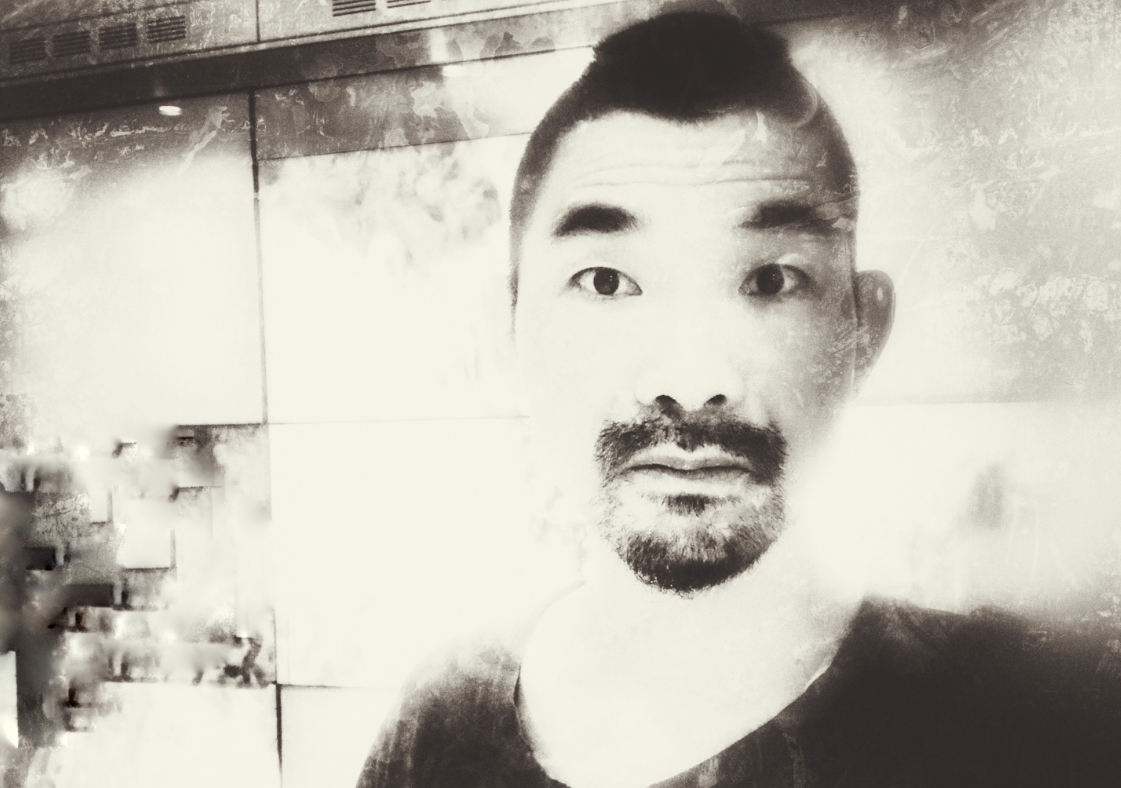
Third, Shu Lee personally crafted the entire album: everything was done by one person! Even the album cover was designed by him. The album is like a small treasure chest, brimming with gems. Particularly noteworthy are the following “precious stones.”
The album opens with the track “I Am A Pix,” which blends intrigue, religious imagery, and contemporary issues. This is especially evident in the song’s conclusion, where, on a sharp and poignant note, it directly addresses the consumerist era and the overwhelming excess surrounding us. The hypnotic guitar play captivates, holding your attention, while the heavy percussive beat underscores the importance of the topic, immersing the listener in the issue and gently urging them to seek solutions, even on a small scale.
The next track, “Swagatam Namaste,” is a natural continuation of the first. However, there is a key difference: while the opening track prompts deep reflection on the problems around us, the second instills hope, suggesting that a better future is still achievable and that everything will be alright. This effect is created through a fusion of a soft, lyrical melody and phrases in Hindi (Sanskrit). The lyrical melody is complemented by retro synthesisers and funk-style bass, which completely eliminates any hint of sentimentality or “complaints about the world and society,” allowing the listener to fully embrace a positive mindset. It’s worth noting that, while the track fosters positivity, it avoids offering empty or false hopes that “everything will somehow work out.” On the contrary, Shu Lee emphasises that everyone has the strength and ability to address problems. Therefore, one should not shift responsibility onto others or wait for a “sign from above.” Beyond addressing social issues and inspiring motivation to tackle challenges, this track showcases another compelling feature: it simultaneously uses five different languages—Mandarin Chinese, Malay, Spanish, Tamil, and English. This hybrid identity shapes Shu Lee’s unique style or genre—call it what you will—but it sounds undeniably impressive.
The next track, “Frolicking,” is playful and alluring, filled with light guitar flourishes, reminiscent of a nighttime campfire on a date with a loved one. Complementing “Frolicking” is the fifth track, “YT Democracy.” Here, the melody is laden with anxious notes and basslines that evoke associations with struggle and the constant search for one’s path and place in society. The key feature uniting these two tracks is the shared message: “You must forge your own path, no matter how many threats surround you.”Another highlight of the album is the track “Bada Buru.” In it, Shu Lee combines two languages: Mandarin Chinese and Dharug. Remarkably, this linguistic blend does not hinder the listening experience. Thanks to expressive vocals and rhythmic pulses, Shu Lee truly reshapes genres and rules to suit his vision.
As is evident, Fusion of Colours is a unique world that can be explored endlessly, either by listening to the album in its entirety or by selecting a single track that resonates with the heart. It is worth listening to in order to find the strength to overcome prejudices about people of different nationalities, to muster the courage to address social issues—whether for oneself, one’s family, or loved ones—or to realise that one has sufficient strength and opportunity to shape their own destiny.
This album does what true music should do—it unites people. Shu Lee demonstrates that borders exist only in our minds. Languages blend, cultures dance together, and suddenly you realise we all speak the same language—the language of human emotions. Fusion of Colours is an album-manifesto, an album-revelation, an album-revolution. Shu Lee has created a work that will be studied, analysed, and, most importantly, loved. This is music that transforms you as you listen to it. Honestly, I don’t believe this album was created for charts or commercial success. It is a work meant for exploration, for understanding how music can truly erase boundaries between cultures. In time, Fusion of Colours may become a cult classic—who knows? Sometimes the most significant albums arrive quietly, without fanfare, and then change everything.
*This review was made possible by SubmitHub









 Indie Boulevard Magazine