
When describing certain music bands, we are always inclined to attach a kind of label: this is grunge-metal, that is melodic jazz, this other one sounds like avant-garde art rock, and so on. But what can we say about Sybax? Well, this is not really music at all—it is rather true post-music.
The project was founded in 2010 by a musician named Sylvain Tourgis to take part in a soundtrack competition for films, and I must ask you to remember this moment, since it will profoundly affect Sybax’s entire subsequent career. After several quiet phases, 2019 marked a turning point when Josselin Chatel, a bassist passionate about noise, indie, and post-punk, joined the project. Their first album, I Almost Had Everything, released in 2022, in a sense laid the foundation for the group: a love of post-rock, industrial, and cinema gave birth to an experimental project. And to say the least, the single Reflexion runs for more than 22 minutes.
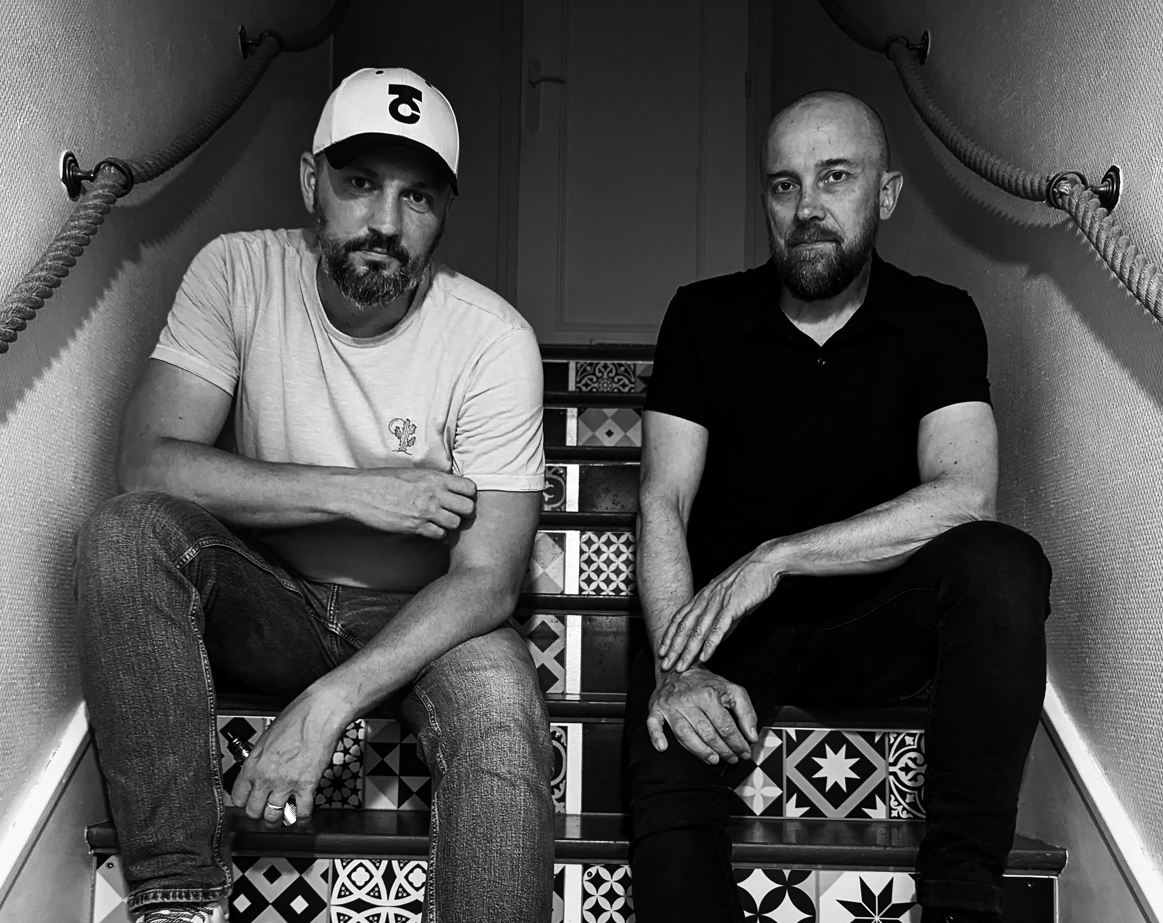
Nevertheless, this time, as always, we will not be looking at the group’s work as a whole, but only at the most recent release, which I consider to be Sybax’s magnum opus—the new album titled TWIN.
The opening track, Bolton, quite clearly sets the tone for the album as a whole, immediately underlining the fact that we are in for something truly special. The first half unfolds in an electronic vein, but towards the end, layer upon layer of new details are added, so that the track as a whole resembles a very unusual fusion of electronica and hard rock.
As I noted before, one of Sybax’s distinguishing features is the complete absence of lyrics in their compositions, which makes them more akin to film scores given their immense cinematic quality and scale. Yet the lack of a lyrical element does not prevent the musicians from confronting pressing social issues in their own peculiar way, as they did with the track Dictator. The song begins almost like the monologue of a dictator—measured and serene, lulling the listener into an illusory sense of comfort and safety, for it would not do to shock an unprepared audience with ideas, or even sounds, you truly intend to convey. But with every passing second, the tension mounts: the sound grows louder, the rhythm faster, and the music more chaotic. By then it is too late—you are hooked, and with wide-eyed fascination you listen through to the very last second. Without writing a single line, the duo managed to express a striking, indeed politically provocative, concept—and that cannot but impress.
To be frank, compared to their earlier compositions, Long Bennington sounds even more unexpected. Becoming familiar with Sybax’s music, one prepares for powerful guitar riffs, thundering beats, and disorderly sounds, organically bound together in a frenzied musical torrent. Yet Bennington feels entirely different. It still belongs to the group’s characteristic industrial aesthetic—juxtaposing the incompatible—but it stuns the listener with bursts of loud white noise tearing apart both a delicate piano melody and our hearing. There is an avant-garde spirit here as well, but not the motif of fierce protest: it is instead a deep introspection, a descent into the innermost depths of the mind, assailed by dark thoughts that cannot be drowned out.
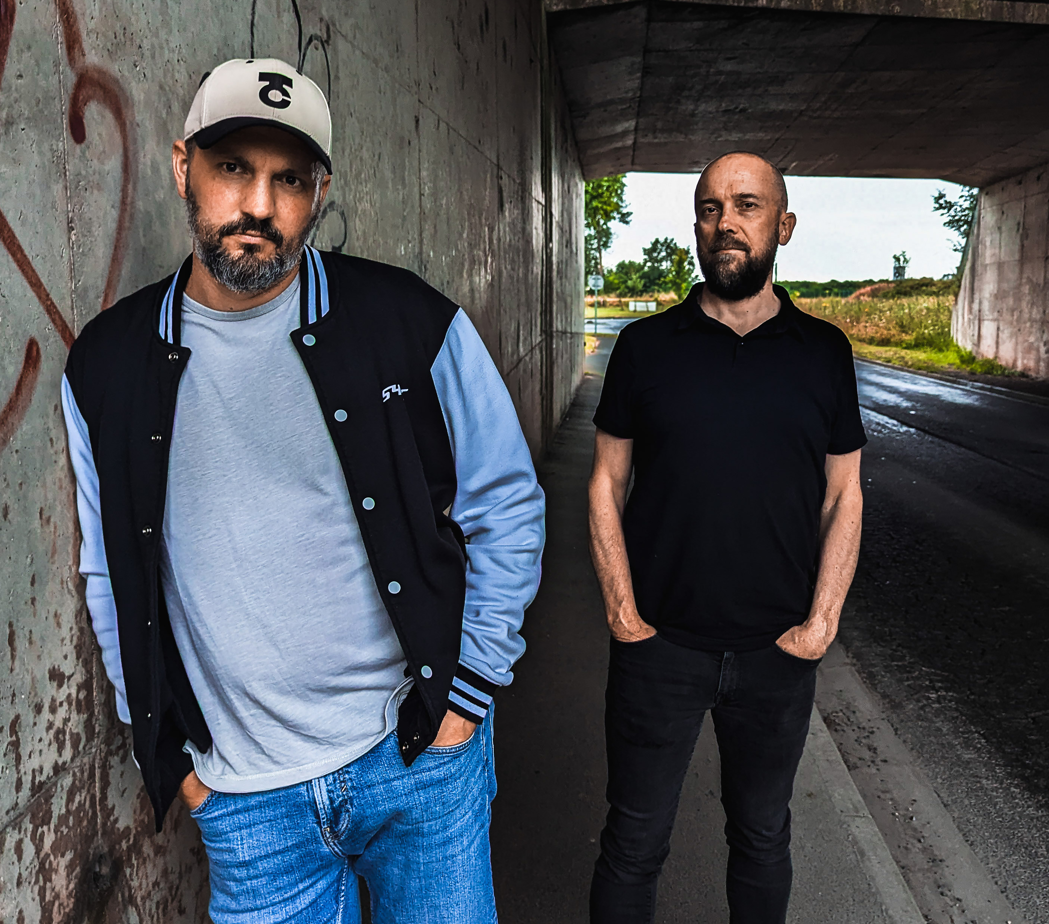
Give Me Some Modern Speak could easily serve as a flawless cyberpunk soundtrack: a futuristic dystopia where the triumph of modern technologies goes hand in hand with the complete collapse of morality—that is precisely how the track struck me. Within the big beat electronica lies a clear and rather successful attempt to create a suffocatingly dark atmosphere through the use of white noise and the overall mood of the piece. The modern world continues its headlong rush into new technologies, showing just how far innovation can advance—yet behind this technological breakthrough looms the impending end of human civilisation.
And finally, the closing track of both this review and the album itself: Holy Smile. It sounds like a rethinking of the very genre of drone. Traditional, pure drone is marked by its measured pace, its continuity, its meditative quality: a sustained hum inducing a kind of trance. Smile subverts this concept, fusing it with the duo’s characteristic sonic palette. Once more, however, expectations are deceived: at first I assumed the track would be constantly interrupted by inserted fragments, creating an avalanche effect, as in Dictator. Yet the final few minutes turn out to be pure, unadulterated drone. Here Sybax are not dismantling established musical templates to bewilder the unprepared listener, but rather returning to the genre’s very foundations—after spending the rest of the album attempting to tear them apart.
And so, what can be said in conclusion? TWIN is strikingly different from conventional mainstream music. Many contemporary artists attempt to craft something uniquely theirs, often by deconstructing popular musical tropes. Yet even here, Sybax have managed to stand apart—not by deconstructing a particular genre or style, but by reshaping the very phenomenon of music itself. That is why I called their work post-music. If we are to compare them with cinema, Sybax would be a highly specialised art-house film: devoid of clear concepts, stability or rules, possibly alienating the general listener, but certain to captivate those who have long been seeking a fresh perspective on art.
*Promoted content. All information provided is prepared in accordance with editorial standards and is intended to offer useful insights for readers.







 Indie Boulevard Magazine