
Grief hits differently when you’re a musician. It becomes this raw, unfiltered energy source that can fuel you to heights you never imagined possible. All just to numb that ache inside. And when your best friends are right there with you? That energy transforms into something genuinely special.
Childhood friends from Pateka lived this reality. They had been grinding together for years, playing shows, building real momentum, getting recognized. They were on their way up. Life intervened, as it always does. The band dissolved, and two members relocated to entirely different countries. That seemed like the end. Yet the universe sometimes delivers precisely what is needed in the harshest form.
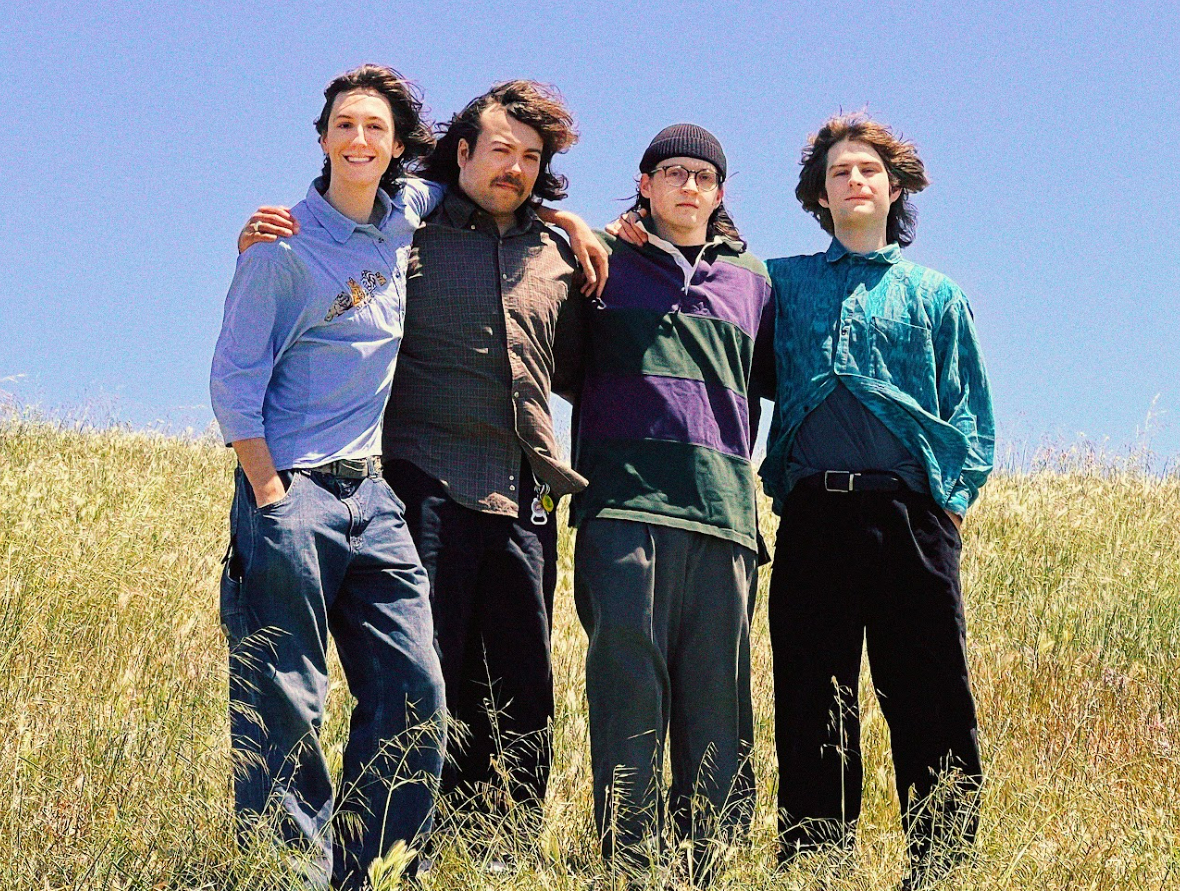
photo by Sean Higley
Elihu Knowles (keys and vocals) and Quinn Girar both experienced devastating personal loss. That loss became the magnetic force that pulled them back home from their new lives abroad. Instead of drowning in sorrow, they made a decision that changed everything – to revive Pateka.
All the original members are back together. Ready to channel that grief into pure musical energy. When childhood friends reunite under such circumstances, magic happens. They’ve got years of shared history, inside jokes, musical chemistry that runs bone-deep. When crisis struck, they knew exactly who belonged in that room.
Their debut album Pateka, released relatively recently, can and indeed should be seen as a triumphant return. It’s grounded in themes of loss, denial and acceptance, gradual rebirth and finding meaning for continued existence after losing someone dear. But while the foundation is sorrowful, the band has woven in other themes into their debut album: places significant to each member, real dialogues (taken from workplaces or hangouts), and life experiences. All this makes the album stand out on an oversaturated musical market.
There are no filler tracks on the album. “Café Chroma” is fast and energetic, grabbing your attention immediately and holding it to the end. The melody creates an almost unreal illusion. The vocals deserve special mention: at first they sound distant and muffled with the melody taking center stage, but then they suddenly gain strength and command all the listener’s focus. Pauses are harmoniously embedded in the fabric of the track, slowing the rhythm just enough to let you breathe, before diving back into speed like plunging into deep water.
“Night Stairs,” on the other hand, is the complete opposite. The melody dominates from start to finish, slow and viscous like treacle. Small guitar and keyboard flourishes cut through the heaviness but only briefly, just enough to hold attention. The short silence at the end deserves special attention because it may puzzle the listener or even make them think their equipment malfunctioned. But it’s deliberate. In this original way, Pateka sharpen focus on the track itself and on those that follow. Bold, unusual, and effective.
“Big Red” is another standout. First, it’s under a minute—a fundamental distinction from the rest of the album. In such a short span, it’s hard to accomplish much, but Pateka pulls it off. The track transports listeners instantly into a sunny clearing where birds sing and laughter is carried across the field. Most strikingly, the “music” is constructed from birdsong, leaves rustling, and faint footsteps. The duration is just long enough to captivate without veering into standard ambient or meditative territory.
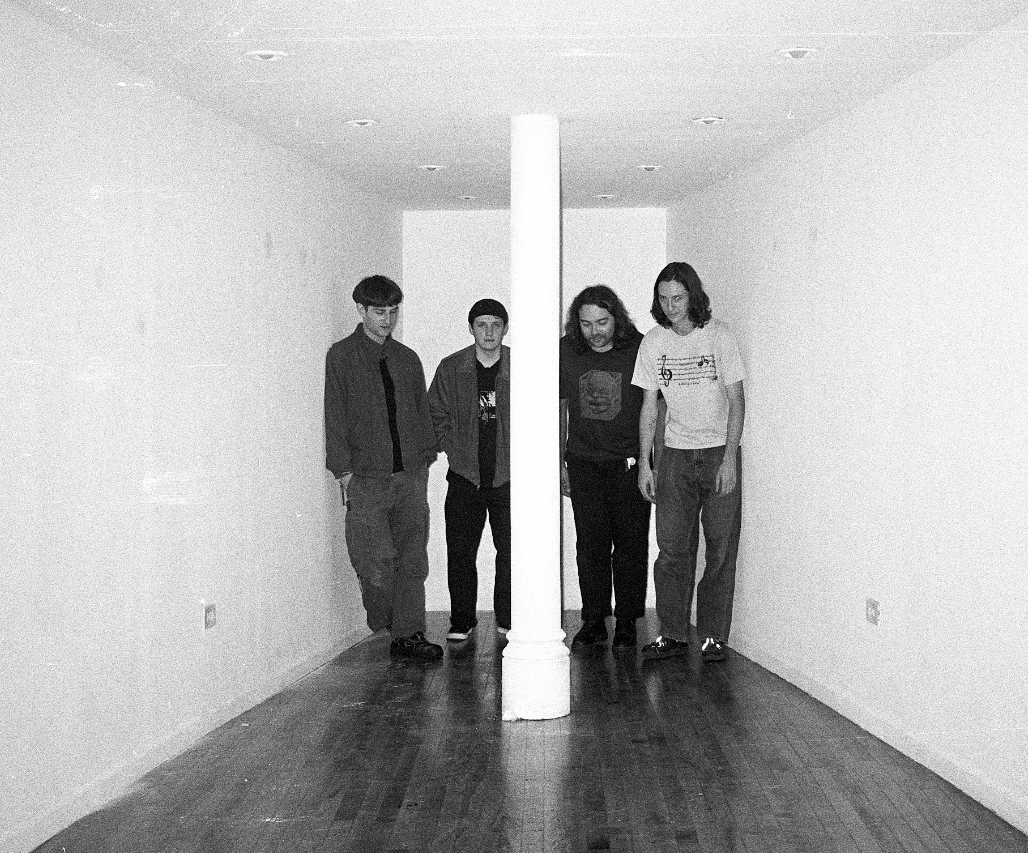
photo by Mei Mei Mccomb
The title track “Pateka” deserves special mention. For me personally, it was a welcome discovery. Playfulness at the start shifts into urgency, with timely pauses creating a mysterious aura. Midway, the tempo accelerates—fast, propulsive, sweeping you forward like a gust of wind: first gently coaxing you to follow, then pushing harder, warning that fun will pass you by if you can’t keep up.
The vocals by Elihu Knowles and Dylan Ransley are central here: they rise exactly where the melody gathers strength, while themselves sounding powerful. There are moments where vocals and melody are indistinguishable—equal forces that cannot be separated without losing the magic.
“Rock Night” closes the album and, to me, it’s the true gem. It fuses solemn darkness with touches of levity, even weaving in birdsong again. The track’s fairytale-like atmosphere carries a shadowy edge that attracts rather than repels. The majestic organ is central, setting the emotional landscape both at the start and the finale, as if reminding the listener of music’s cyclical essence: everything returns to where it began regardless of the brightness in between. Vocals hover lightly in the background until playful notes surface, when they gain volume and energy.
This Pateka resurrection doesn’t feel like a conventional reunion. These musicians are working with a fuel that many bands never manage to reach. Their losses stripped away illusions and left only what matters. Their friendship provided the vessel.
That urgency is audible everywhere. It’s like they’re carrying something precious, and they know exactly how to honor it with music. Pain became purpose. Friendship became foundation. And Pateka became the channel for turning suffering into something luminous. Sometimes tragedy unlocks creative reserves long dormant, waiting for the right spark. Pateka found it, and we’re the beneficiaries.
The album itself is exquisite. Yes, there are experimental moments, but they’re the group’s signature—and there’s undeniable magic in them. Crucially, the record doesn’t drown in gloom, which often happens with works born from grief. Instead, Pateka brims with brightness, playfulness, and a sliver of challenge. That’s why it works so well for creativity, relaxation, and simple listening pleasure. For indie lovers, this is a must-hear.
*Promoted content. All information provided is prepared in accordance with editorial standards and is intended to offer useful insights for readers.









 Indie Boulevard Magazine