
Time works better for Kim Edwards than it does for most artists. She spent ten years collecting material for “Vignettes“, and every month of that pause can be heard in the final result. Whilst labels have transformed into content factories, churning out releases every eighteen months for Spotify algorithms, Edwards… she chose the luxury of patience.
The modern music industry operates like an assembly line: record an album, release singles at monthly intervals, curate playlists, rack up streams, repeat the cycle. Spotify pays pennies per play, forcing artists to flood the platform with tracks just to scrape together a living. Quality suffers, musicians burn out, listeners drown in a torrent of disposable music—and I won’t even start on AI.
Edwards ignored all of that and spent a decade creating something genuinely worthwhile.

photo by Bruce Kite
“Vignettes” comprises ten stories, each born from books, films, conversations with friends. Edwards approaches material gathering like an archaeologist: digging through layers of human experience, uncovering universal truths, packaging them into songs. The result is staggering—“Vignettes”.
The secret lies in Edwards avoiding the specifics of age or circumstance. She sings about feelings familiar to all: longing, hope, the inner strength that helps one simply carry on. An eighteen-year-old lad will hear understanding of his bewilderment in her voice. A mother of two will find support there in moments when it seems there’s no strength left. Edwards creates music of emotional constants—those experiences that remain with a person regardless of passport details or bank balance. This works because she speaks not of events, but of how these events feel from within.
Her voice creates particular intimacy—soft, lyrical, capable of transforming any room into a confessional. Edwards sings as though recording voice messages for someone she’s known all her life. This is a rare skill in music: creating a sense of timelessness, where a song can sound relevant today as much as in twenty years’ time.
“Ashes to Ashes” opens the album with melancholic lyrics and mournful violin. The melody here serves as gentle backdrop, emphasising Kim Edwards’ mesmerising vocals. Kim’s voice leads unobtrusively, immersing one in memories whilst creating an incomparably intimate atmosphere. And it’s worth noting: though the track is sad, thanks to the tender vocals, warm memories surface in one’s mind—memories that cause no pain and provoke no tears. For sometimes it’s necessary to remember not only the bad, but the good that was in life, without excessive regret.
“The Seafarer’s Song” already possesses different rhythm and atmosphere. Here one feels movement forward, a gentle challenge to the surrounding world, anxiety before the future and a barely perceptible desire for radical changes. But simultaneously with all this exists longing and spiritual pain, which shrouds all the previously named emotions in a light veil, preventing them from shining with the force that other performers transmit rather frequently. But there’s certain charm in this “mutedness”: Kim Edwards provides the opportunity to consider each step one wishes to take to change their life, without being guided by emotions. The calm rhythm disposes one to meditative consideration of all possible courses of action, not forgetting the brightness of the goal.
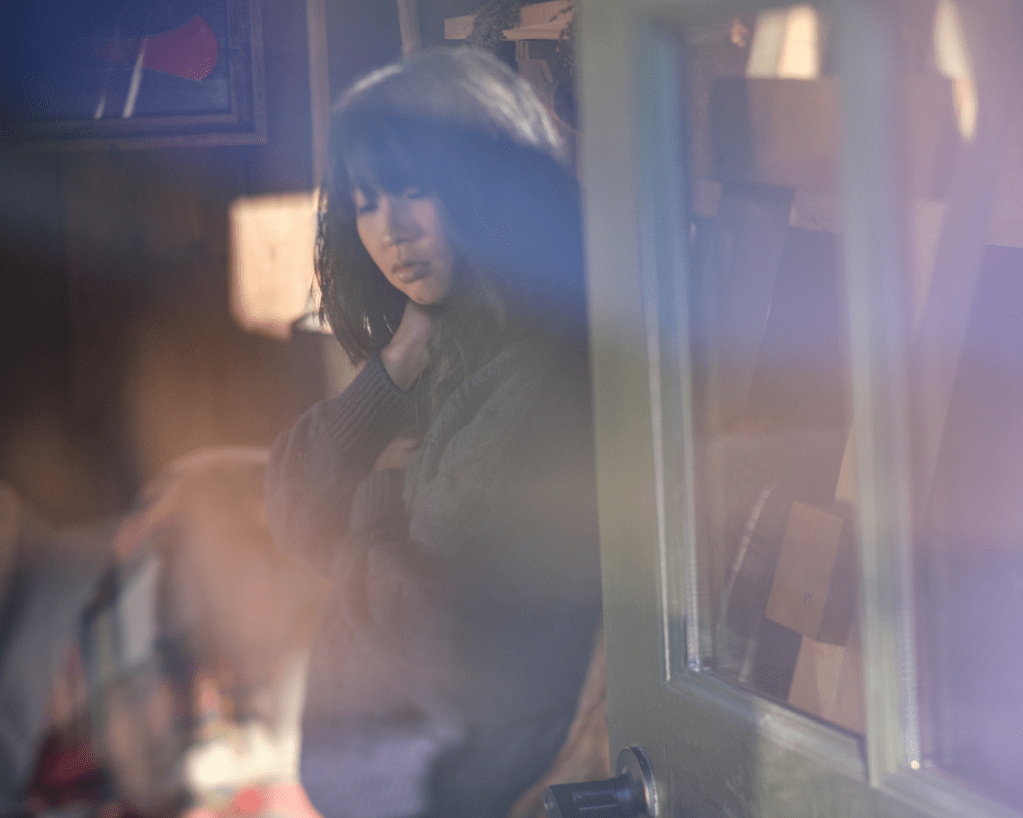
photo by Bruce Kite
The track “Raised by Wolves” is literally saturated with longing for love. Kim Edwards’ vocals here are like a quiet cry of desperation and yearning that’s impossible to ignore. She’s hurt that her feelings find no response in a dear person and that her searches end in separation. The melody only emphasises this desperation and creates depth of feeling that Kim Edwards experiences whilst narrating her story.
“The Cowboy Philosopher”—a tender and slightly melancholic story, where Kim Edwards’ voice creates illusions of that happy time in which there are only two people in love, and all problems are somewhere there, far away, and don’t intrude upon the small world of the enamoured couple.
“Far (Strings Version)” concludes the album on a melancholic note. Despite the lyrical melody, this “Far” creates the illusion not of a broken heart, as might appear at first glance, but of necessary separation, when nothing can be done and one can only reconcile oneself to circumstances. This naturally evokes tears and regrets about what couldn’t be done or wasn’t even attempted. The tender violin melodies draw attention and focus on a person’s inner state. And here it’s worth noting a small moment: though the track tells of separation, at the end Kim’s vocals and the melody gather strength, as if saying that after separation there will always be a new meeting. And a person should wipe away their tears, gather patience and move forward, to return sooner to those people who are dear to them, and who truly await them.
Yes, ten years of painstaking work gave her the opportunity to create an album where every element serves the common purpose. This is music designed for a long life.
The album’s emotional spectrum encompasses the entire palette of human experience: longing for love, quiet inner strength, complex feelings that live between major life events. Edwards knows how to transform the personal into the universal, and this is talent of the highest order. Her songs resonate with anyone who hears them because she speaks of things familiar to everyone.
“Vignettes” proves a simple truth: good things require time. Edwards gave herself this decade, and now we have an album that will outlive most contemporary music.
And of course, “Vignettes” is an emotional jolt, forcing one to relive many moments anew: from bad to good, hidden in the depths of memory. And most importantly—this album provides the opportunity to reach certain decisions without strong emotional influence. Without judging oneself or other people who created particular situations. This is a genuine miracle that allows one to rid oneself of heavy emotional burden and heals old wounds. And for this one can only say “thank you” to Kim Edwards. “Vignettes” is for those who remember that albums can and should be listened to in their entirety. This is anachronism in the best sense of the word—art that demands time and attention, but gives far more in return.
*Promoted content. All information provided is prepared in accordance with editorial standards and is intended to offer useful insights for readers.








 Indie Boulevard Magazine