
Dan Rose’s origin story sounds almost perversely backwards: he wrote lyrics before he learned to play guitar. He skipped music school entirely. By his own account, he considers himself less naturally gifted than the artists who inspired him. This inverted trajectory—words first, technique later—has produced something genuinely idiosyncratic on To The Bitter End, a four-track EP that treats New York’s relentless pace and the climate emergency as two sides of the same corroded coin.
The EP’s central gambit is structural. Rose pairs the frenetic rhythm of contemporary urban life with the slow creep of environmental anxiety, and rather than treating them as separate concerns, he lets them bleed into each other. The city becomes the crisis; the crisis becomes intimate. His voice—ragged, oddly phrased, carrying a Americana twang that feels both anachronistic and weirdly appropriate—delivers this without the usual indie-rock niceties. This sounds like someone who learned music because they had something to say, and the technical limitations became aesthetic choices.

“We Need Someone To Take Charge” opens the record with a controlled detonation. The track moves through two distinct phases: an initial assault that grabs by the collar, followed by a deliberate slowdown where Rose’s actual point comes into focus. The dynamic shift does real work here—the quiet sections land harder because of what preceded them. His vocal and guitar delivery operate as equals; remove one and the other collapses. The classic country sound that manages to stay acoustic, pure desert, feels less like affectation and more like a grammar Rose uses to articulate urgency. You can’t put this on in the background. It refuses that kind of listening.
“Don’t Be An Asshole” follows with a tonal pivot so abrupt it feels designed to disorient. After the opener’s momentum, this track strips down to voice and minimal accompaniment. Rose’s vocal carries the full weight—melancholic, self-aware, tentatively hopeful. The lyrics read like an admission: the damage is done, but maybe we can still limit how bad it gets. The sorrow here feels specific rather than performed, which matters. The placement is smart; anywhere else in the sequence, this track might evaporate. Here, after that opening rush, it forces engagement.
“The Bench In The Secret Garden” lifts the tempo without abandoning the melancholy. Rose constructs a hypothetical—what if we actually solved this?—and sets it against a rhythm that shifts between contemplative stretches and brief upticks in energy. The track refuses to commit fully to either optimism or despair. Instead, it occupies the uncomfortable middle ground where most people actually live when thinking about climate collapse: aware of the problem, unsure of solutions, occasionally allowing themselves to imagine things could be different. The arrangement mirrors this instability, pulling away from both extremes.
The closer, “Everything Changes On 86th Street”, functions as a narrative. Rose’s delivery settles into something steadier, more linear. The instrumentation stays restrained, letting the story breathe. He uses a specific Manhattan location as shorthand for transformation—urban, personal, collective. The track suggests change happens in particular places first, and that paying attention to those shifts matters. Hope exists here, but it’s grounded in observation rather than wishful thinking. Rose implies that transformation requires noticing where it’s already occurring, then replicating those conditions elsewhere.
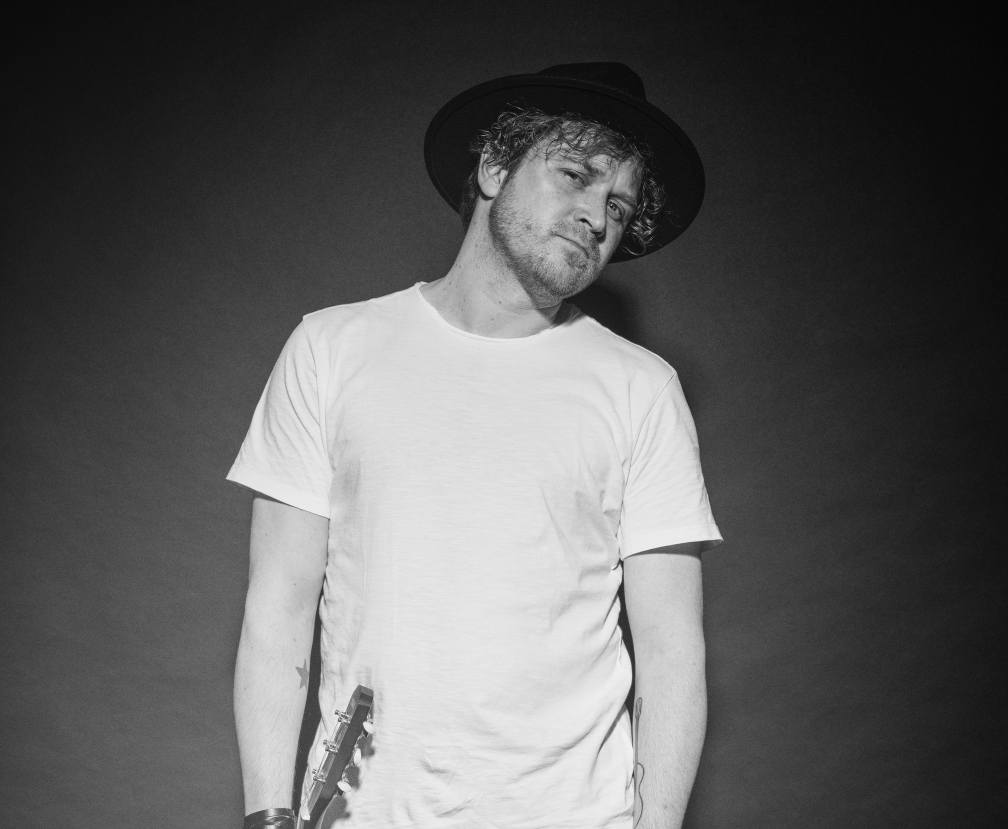
To The Bitter End will split listeners immediately. Rose’s vocal approach and the deliberate pacing will read as tedious to some, revelatory to others. The opening seconds could provoke reflexive rejection—this doesn’t sound like what people expect from contemporary indie or folk or whatever insufficient genre tag gets applied here. The Wild West musical references feel risky; in less capable hands, they’d collapse into kitsch.
But Rose earns these choices through commitment. He treats the environmental crisis as simultaneously enormous and deeply personal, which is the only way to make it feel real. To The Bitter End avoids didacticism—Rose presents problems, implies connections, then steps back and lets listeners draw their own conclusions. The arrangements create space for thought, which feels increasingly rare. This is an record that trusts its audience to sit with discomfort and complexity.
Dan Rose won’t change anyone’s mind about climate catastrophe, and he seems aware of this. To The Bitter End functions instead as a reckoning for people already worried but paralyzed by scale. It asks: what can you do, specifically, in your life, right now? And it asks this through a musical vocabulary that feels both familiar and strange—Western motifs deployed in service of urban ecological anxiety. The juxtaposition works because Rose commits fully to both elements.
The EP’s brevity matters too. Four tracks, each substantial but contained. Rose makes his point and exits before overstaying. In a musical landscape cluttered with bloated track lists and algorithmic padding, this restraint feels almost radical. To The Bitter End says what it needs to say, then stops.
*This review was made possible by SubmitHub






 Indie Boulevard Magazine