
Music remains one of the most malleable art forms, a medium where the collective anxieties and aspirations of an era crystallize into sound. Within this framework, the artist’s spiritual evolution—their struggles, needs, and dreams—becomes audible, tangible, a warning or an invitation extended to those willing to listen.
Morning Wars’ Prospect Gallery embodies this ethos completely. The album gestated over two years, a period during which the project’s architect underwent what he describes as profound spiritual transformation: a migration from furious ambition and exacting expectations toward equilibrium and methodical pursuit of defined objectives. Such metamorphosis deserves acknowledgment; for most people, two years represents an insufficient timeline for such comprehensive internal recalibration. The album captures universal fears and uncertainties—the terror of tomorrow’s unknowability, the desperate search for spiritual anchoring to weather difficulties, the summoning of courage required to abandon comfort zones and scale new summits. These elements coalesce into a compelling musical synthesis, one that Prospect Gallery presents with remarkable clarity.
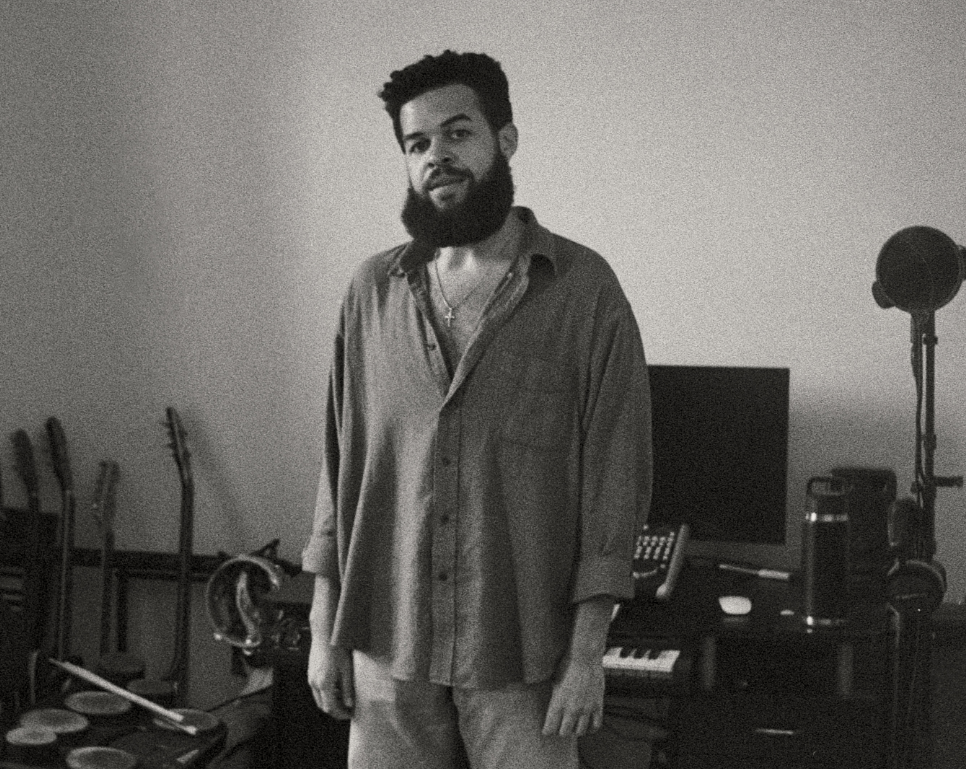
photo by Brock Stillmunks
Prospect Gallery contains eight tracks, each functioning as a compact, confessional narrative that submerges the listener in a distinctive atmosphere of trust and searching. I’ve lived with Prospect Gallery for weeks now—on commutes, during late-night writing sessions, through morning coffee rituals—and certain songs have lodged themselves deeper than others. What follows are the tracks that kept pulling me back, the ones I found myself cueing up again when the album ended.
“Alone in My Head” inaugurates the album with an unconventional opening gambit: within seconds, voices and welcoming shouts emerge, creating the disorienting sensation of stumbling into a live performance mid-set. Yet the gentle, unobtrusive melody—constructed from delicate guitar fingerpicking—gradually commands complete attention. Marc Ramos‘ vocal delivery here achieves a fascinating duality: softness married to a peculiar energy. The absence of force or pressure to demand attention becomes, paradoxically, the very element that captivates. This particular gentleness proves especially magnetic precisely because it defies expectation, because it refuses to impose. The track guides with subtlety, offering respite from the cacophony and turbulence of metropolitan existence.
“New Prospect” delivers an entirely different experience—a luminous, optimistic counterpoint to the opener’s introspection. The song brims with force and vitality. Like a sudden gust of wind, it disperses whatever light melancholy lingered from the previous track, providing immediate momentum for forward motion. From the opening seconds, the composition compels physical response, demands movement in synchronization with its pulse. Guitar and percussion command attention through calibrated strength, creating irresistible forward drive that eliminates any possibility of distraction. The entire track radiates with light and hope, compelling belief that the best remains ahead, that ambition and emotion serve as excellent catalysts for accelerated progress toward a brighter future.
“Better Today” thrives on contradiction and unusual juxtaposition. Gentleness and melancholy occupy one pole. At the opposite extreme: roiling energy (expressed through percussion and guitar work) and a subtle patina of retro flavor borrowed from the turbulent, rebellious 2000s—all the vibrancy of a neon-lit dance floor. This vivid cocktail mesmerizes through its organic mystery, simultaneously visible and veiled in a light shroud of enigma that resists penetration, demands preservation to maintain its beauty.
“Man with a Gun” arrives like a hurricane—immediate, overwhelming, forcing compliance with its accelerated rhythm. Guitar and drums establish a rapid tempo from the outset, seizing attention instantly. The interspersed moments of deceleration function as brief respites, after which fresh energetic surges crash forward, impossible to resist or evade. The track’s conclusion proves especially intriguing: an operatic passage inserted where least expected. This creates a vertiginous sensation of portal-crossing into an alternate dimension, one that resists departure. Marc Ramos takes a genuine risk here: such insertions typically appear mid-composition to intensify and maintain attention. Positioning this element as a finale underscores confidence in craft, readiness to continue producing singular masterworks.
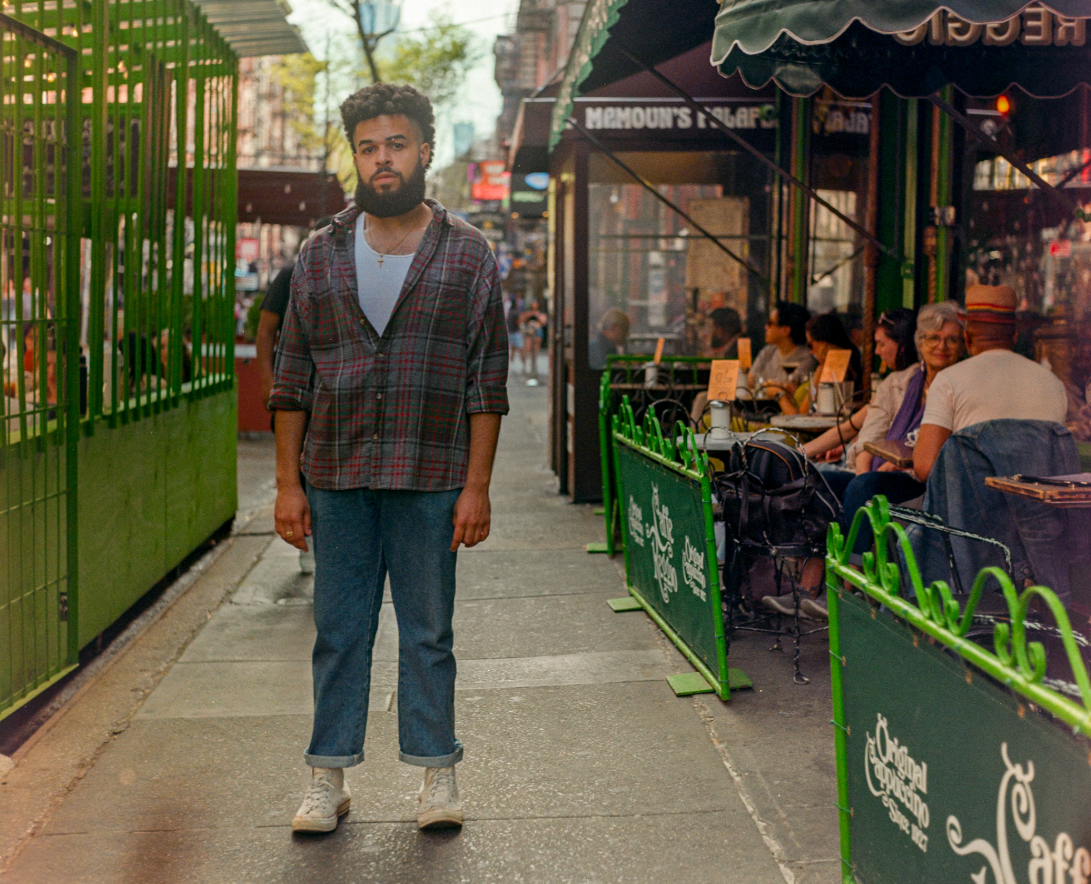
photo by Brock Stillmunks
The track bearing the economical title “315” plunges into melancholy and sorrow from its first moment. Following the more kinetic and energized preceding compositions, this song functions as a bucket of ice water, shocking and clarifying. Consequently, the melody and Morning Wars’ vocal performance land with heightened impact. Guitar passages here serve purely as backdrop, underscoring the mournful atmosphere. The primary role belongs to the deep, hypnotic vocal delivery. It contains power and emotion that demand engagement. Marc Ramos maintains a precise balance between conveying profound emotional pain, issuing a plea for forward movement, and restraining tears that threaten to spill. This emotional synthesis provokes empathy without descending into hysteria. Excess bitterness here would have proven catastrophic.
The closing track, “Morning Wars”, exhibits comparable contrast. Tender lyricism on one hand—evoking associations with slow dancing—while on the other, sharper guitar interjections that jolt awareness, dispel reverie, and demand complete immersion in the listening experience. The sonic transitions demonstrate sophisticated construction: the lyrical, soft passages avoid tedium, while the harsher elements provoke zero rejection, instead feeling like organic continuation.
Prospect Gallery from Morning Wars represents a fascinating and unusual discovery, one worthy of intense scrutiny. Lyricism interweaves seamlessly with dynamism, generating impatience for each subsequent track, desperate to understand what comes next. Upon first listen, genuine sadness may arrive when the final track approaches its conclusion. Advance preparation—clearing sufficient time for at least multiple listens—comes highly recommended.
Additional appreciation belongs to Morning Wars for crafting an album with meticulous excavation of 2000s motifs and contemporary sensibilities. This achievement genuinely impresses, distinguishing the project sharply from the surrounding musical landscape. Hope persists that Morning Wars will continue generating such impressive pieces.
*This review was made possible by SubmitHub









 Indie Boulevard Magazine