
Can a song or simple melody without lyrics change people’s minds? Unlikely. Yet when a melody or track reaches the heart, that very organ possesses the power to alter opinion and reshape the trajectory of a life—even when the listener remains unaware of the shift occurring within them.
This phenomenon sits at the core of Feeling Good, the new album from Sunny Luwe. The record emerged almost immediately after the artist endured creative burnout so severe that the mere thought of music triggered profound psychological resistance. As Luwe herself acknowledges, the experience fundamentally altered her perspective on the entire creative process. She now actively eliminates whatever drains her energy and joy, whatever transforms creative freedom into an unbearable burden or toxic weight poisoning daily existence. She pursues a reciprocal exchange—investing her full strength while ensuring adequate return to sustain future creation.

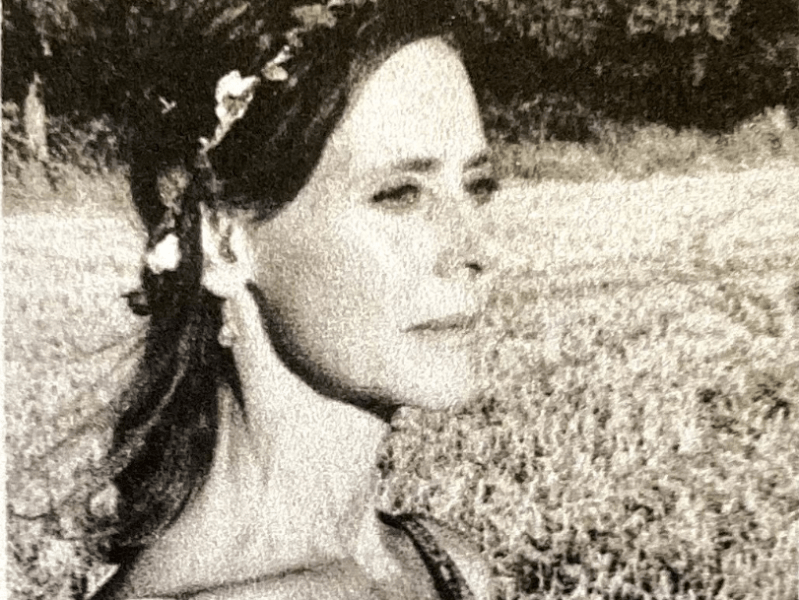
photo by Joel Devereux
These hard-won insights compelled her to transmit this transformed state to listeners, enabling them to discover balance in their own lives and avoid the descent she experienced. The devastation of working while literally burning with negativity toward oneself and one’s surroundings, seeing zero possibility of escape from the vicious cycle—this darkness became the catalyst for meticulous collaboration with several producers. All toward a single aim: helping people reconsider certain habitual patterns and nudging them gently toward transformation. The result of this fertile collaboration stands before us as the new album.
Feeling Good contains ten tracks. Each one brims with sincerity, light, hope, freedom, and the power to alter established circumstances. Several tracks add sparks of flirtation, playfulness, and open challenge to everything surrounding us (occasionally, one hears the challenge directed inward, toward the self). Where her debut Flowers In The Sky established Luwe’s position through raw vulnerability, Feeling Good operates as a deliberate departure. The earlier album earned its accolades through consistency and thematic unity; this sophomore effort demands attention through radical diversity. Each track inhabits its own sonic universe while maintaining an inexplicable gravitational pull toward the album’s core thesis.
“Saturday Night” opens the album, merging seemingly incompatible elements: audacity and flirtation, strength and delicate vulnerability, the drive for freedom alongside an urge to demonstrate power through fluidity and deliberate slowness. The touch of mischief proves equally captivating, softening certain edges when sharpness threatens to dominate. The final impression evokes a vivid and powerful discotheque saturated with freedom, brilliant lights, possibilities (encounters with diverse people), and positive emotions flowing freely.
“Feeling Good” follows—the central axis around which the entire album’s concept revolves. The track pulses with audacity and courage rooted in unwavering self-confidence. Both melody and Luwe’s vocal delivery confirm this foundation. Her voice carries a force and energy impossible to ignore, communicating boldness and assurance that registers as authentic rather than hollow positioning designed to climb ranking charts.
“It Won’t Be Long Til I See You Again” presents a complete contrast to the previous track. Gentle with a slight edge of daring, it unfolds as a smooth musical fabric ideal for listening after an evening of work. Sharp musical transitions remain absent. Luwe’s vocal resembles water: sparkling and shimmering with energy, drawing the listener along. And while doing so, teasing—as if suggesting one should attempt to change something in life.

photo by Joel Devereux
“I Just Want To Love Myself” arrives as pure lyrical confession, radiating audible sincerity and vulnerability. Precisely this combination in Luwe’s vocal commands attention. Particularly noteworthy: brief inserts where her processed voice seems to belong to another person arriving from alternate realms. Magnificent work and execution.
“Blue Skies” strikes with its audacity and force from the opening seconds. The melody serves merely as modest background for Luwe’s vocal. The artist deliberately adopts a slightly rough delivery style to convey her thoughts and feelings with maximum precision, creating mild disorientation after the preceding tracks. Softness finds zero presence here. Only strength and challenge, which Luwe offers listeners to accept and join her journey.
“Upside Down”, the track contains neither challenge nor audacity—only the transmission of life’s beauty and the happiness Luwe derives from creating. A hidden message might be understood as a kind of invitation from the artist—to do likewise: find your joy in familiar activities, eliminate toxic factors, and savor the colors of the world.
“Letter to the Future (I’m Sorry)” emerges as confessional track before listeners. Here, the tenderness of guitar picking merges into unified whole with Luwe’s magical and touching vocal. Only pure acknowledgment sounds here, in which Luwe shows zero fear of appearing weak or excessively open. She simply speaks openly and courageously with her audience, pushing people toward brave changes in their lives. This track concludes the album. And this choice strikes as unusual, because it places a comma rather than a period, serving as a kind of promise to listeners—to return and become even better than she stands today.
The new album Feeling Good from Sunny Luwe stands as an authentic anthem of rebirth after burnout and energy collapse. This represents a triumphant and simultaneously audacious return to the musical Olympus, carrying a mixture of challenge to all those who prophesied her swift oblivion. The album also extends an enticing invitation to everyone who wishes to follow Luwe’s path, in terms of changing certain elements in their own lives toward the positive. Unequivocally, this album functions as medicine against melancholy, against the moment when hands drop and faith in one’s own strength disappears.
The trajectory moves from polished pop architecture toward stripped-down, acoustic revelation—a journey Flowers In The Sky suggested but never fully committed to executing. Luwe’s velvety, tender vocals remain the connective tissue, yet here they bend and transform across stylistic territories with newfound confidence. The meticulous detail work—the aspect Luwe labored over with particular intensity—manifests in how seamlessly these disparate personalities coexist within a single listening experience. Where many albums collapse into monotonous repetition, each successive track merely echoing its predecessor, Feeling Good sustains momentum through perpetual reinvention. This represents the album’s genuine gem: an ideal sequence that feels both inevitable and surprising.
*This review was made possible by SubmitHub








 Indie Boulevard Magazine