
A Seattle singer releases her debut album that transforms personal pain into a universal anthem of female strength. Seattle gave us grunge—all that masculine rage and alienation—and now it’s become a different kind of home base: artists rewriting what quiet female power sounds like. Tavia Rhodes arrives as indie-folk shifts again.
The genre spent decades as a vehicle for male introspection, but lately it’s been claimed by women who refuse the background. HER SAY. The title does the work: this is about being heard. Rhodes started the solo thing in 2019 with “Her Eyes” and spent the years since building it out through live shows—full band, drums to keys to guitar, plus three women on vocals. That detail matters. Rhodes gets that female solidarity functions as its own instrument, amplifying through unity. Fall 2024, she went to Kickstarter to fund the debut. The community came through hard enough that HER SAY showed up in full less than a year later.
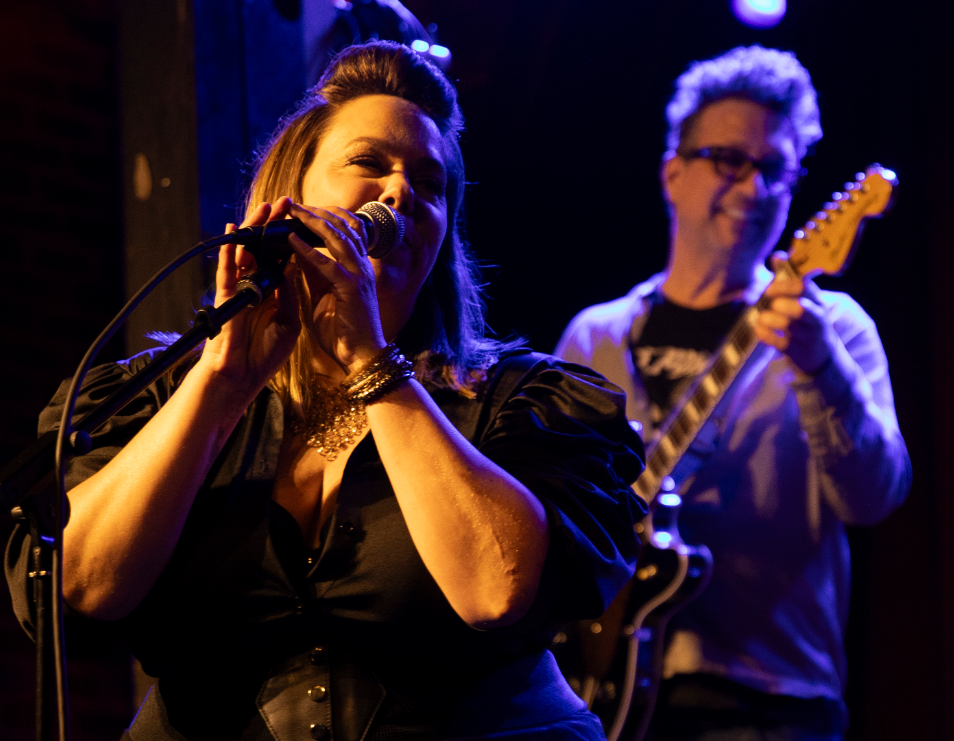
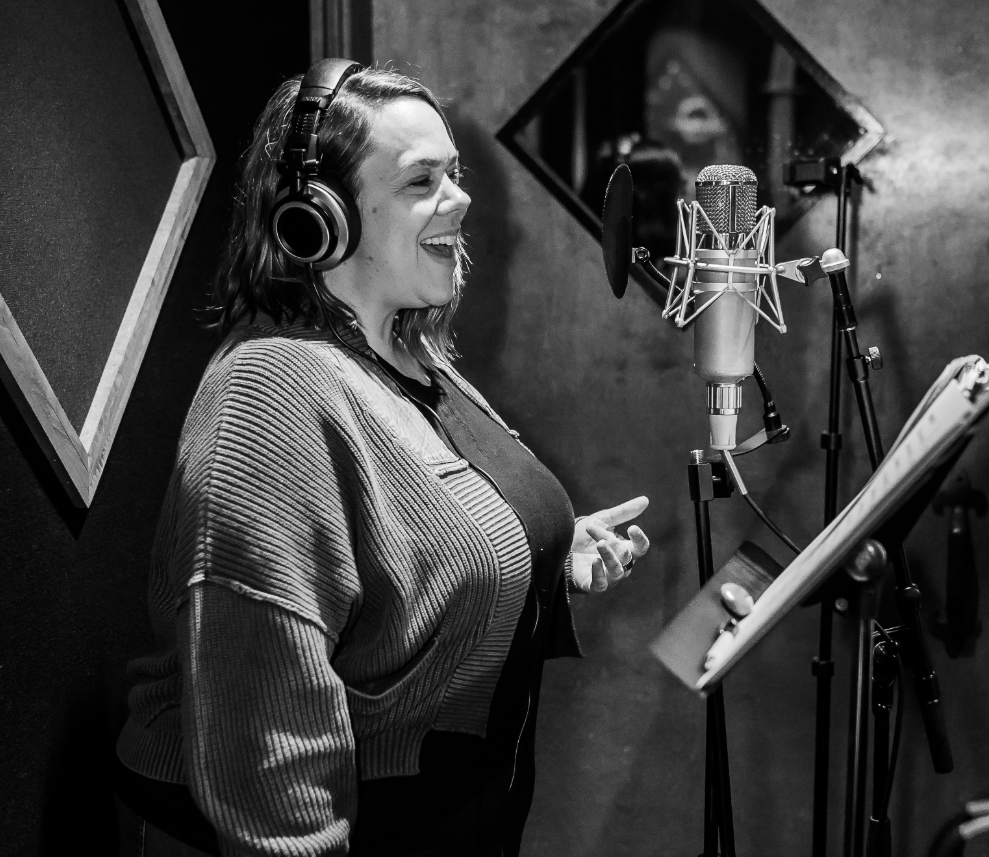
She recorded at Temple of the Trees, that legendary studio where Pacific Northwest folk bleeds into grunge ghosts, where the room itself becomes part of the sound. Producer Bradley Laina has a Grammy. Together they made something I’d call “ethereal indie-rock,” except that’s too tidy for how physical this music feels. The album swings between folk intimacy and rock viscerality, soul vulnerability and indie experimentalism. Genre boundaries show up as suggestions, not rules.
Tavia’s got one of those voices you feel in your body—pierces straight through, lands somewhere around the solar plexus. She moves between registers like water: whisper to scream, vulnerability to ferocity. Singing isn’t performance for her, it’s necessity. An attempt to make internal chaos external through sound. Her range is impressive, sure, but what matters is the way she deploys it. She sings like vocalization itself is therapy, like the act of making sound is how you heal.
HER SAY tracks a woman growing up, figuring out how to escape whatever trap she’s in, finding her way back to herself. Pop culture tends to do one of two things with female pain: romanticize it into something beautiful, or insist you skip straight to empowerment without acknowledging the hurt. Rhodes rejects both. She’s interested in pain as something that actually happened, something you sit with and eventually move past. Healing isn’t something you do—it’s where you end up. The lyrical arc traces unhappy love, bitter separation, long stretches of waiting and searching. Each phase builds toward autonomy, but Rhodes doesn’t pretend the path is clean or quick.
Crowdfunding adds weight here. Rhodes built HER SAY in conversation with her community—people who bought in before they heard a note. It’s an old music-making model dragged into the digital age: direct patronage, artist and audience without the industry middlemen. You can hear the freedom. No radio-friendly compromises, no trend-chasing.
Album opener “Belonging” moves slow, almost ceremonial. A descent into the darkness of separation. Rhodes stakes out emotional territory: here’s a woman in the middle of heartbreak, refusing to go under. The chorus hits with tectonic force. Acoustic and electronic elements tangle until you can’t tell them apart.
“Woman of Wait” picks up the tempo. The rhythm loosens, gets lighter. Rhodes lets herself hope, but carefully—this is earned hope, not naive. She’s singing about a woman who waits, who still believes in love against the odds. It’s nostalgic without being sentimental. She is too sharp for that. She carves out space where vulnerability reads as strength, where waiting is active, not passive.
“Don’t Go Back” brings drums to the front, almost militant. Rhodes telling you to burn it down, leave the past in the past. Restrained verses, explosive chorus—the contrast catapults you forward. This is where the album finds its thesis: you only move in one direction, and the present is where you’re free.
“Light as a Feather” fakes you out. The intro sounds upbeat, promises energy, then Rhodes pivots into melancholy. She steps back vocally, lets the instruments carry weight. Despair builds through layered sound. Fever as metaphor—the disorientation after you’ve been hit too many times. She still believes in love here, but the belief is stained with doubt. She knows what illusions cost.
Real triumph: “Pleasure Seeker.” Rhodes unleashes her voice completely, lets it spill over instrumental breaks, fills every gap. This is HER SAY at peak energy—the moment where reflecting on love becomes pure joy in the act of singing itself. “Call The Shots” operates as the album’s most immediate offering—a Saturday-night anthem engineered for maximum catharsis. Rhodes understands the assignment here: this is music designed to destroy living rooms and festival fields alike, the kind of track that demands physical communion between artist and audience. It’s uncomplicated in the best possible way, a rare moment where she lets the hooks do the talking.
Where “Call The Shots” prioritizes movement, “West Coast Days” excavates something deeper. The track unfurls with aching, country-tinged vulnerability. It’s the album’s most interior moment. But it’s “I Want More” that crystallizes everything Rhodes has been building toward. This is where she actually goes off. Everything blends together, you cant even tell where her voice ends and the guitars start. Its all one thing. And the lyrics about finally taking control of your own narrative instead of being sidelined in someone elses story? Thats how you end an album. Just ends it perfectly.
HER SAY chronicles becoming—a woman refusing definition through relationships, discovering herself precisely when things fall apart. Rhodes operates within Seattle folk-rock traditions while delivering something current: a voice native to 2025, where feminism means daily practice and self-sufficiency is baseline, not aspiration.
The album does stumble occasionally. Rhodes sticks to verse-chorus-verse architecture, rarely pushing at formal boundaries. Then again, when you’re excavating emotional truth this raw, maybe you don’t need structural pyrotechnics. The predictability feels intentional—familiar frameworks containing volatile material.
What Tavia Rhodes has pulled off here is a debut that sounds fully formed, like she’s been rehearsing for this exact moment since “Her Eyes” dropped six years ago. HER SAY rewards attention and repeat listening. It sticks with you.
*This review was made possible by SubmitHub



 Indie Boulevard Magazine