
The line between artistic catharsis and emotional dissolution has always been gossamer-thin. I have often encountered this in literature, in visual art, and of course, in music. When some releases manage to merge the two so gracefully that the distinction ceases to matter entirely, it becomes a mark of true art. Music born from psychic fracture – when the mind turns against itself, when reality becomes negotiable, when the very architecture of consciousness threatens to collapse – always carries a uniquely sacred significance.
Marlene Oak’s ‘Welcome To Oak Land‘ belongs precisely to this rare category of records, where the boundary between therapy and art dissolves completely, where each note becomes an act of self-rescue. This is indie-folk-rock, saturated with elements of soul, blues and roots American music. The 10 tracks from “Welcome To Oak Land” possess a special weightlessness, a tenderness that borders on fragility, but all this is eclipsed by vibrant rhythms and the impeccable powerful vocals of Marlene Oak. The songs are saturated with soul and love so deeply that they resonate in the most hidden corners of consciousness.

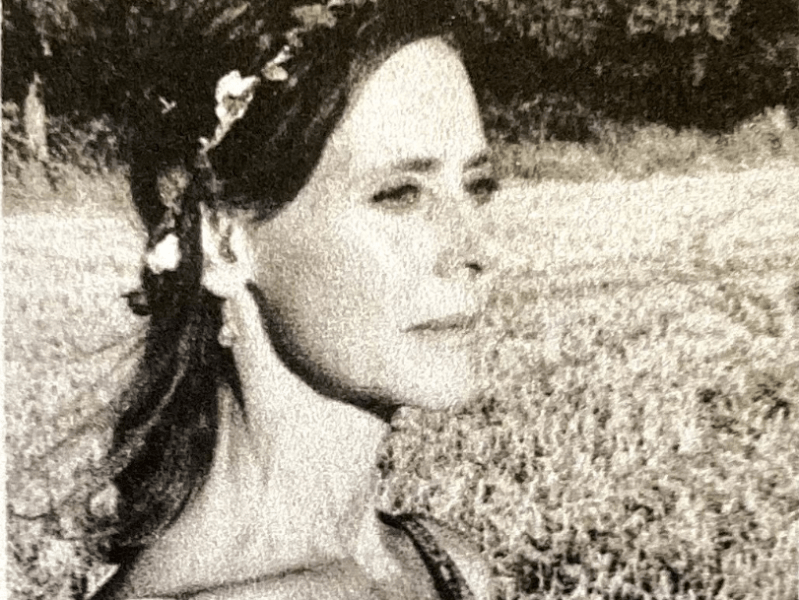
photo by Joanne Nugas
Ten years before recording this album, Marlene Oak received a diagnosis — Bipolar Disorder 2. Acceptance of this fact came gradually, through resistance and relief. Several years ago, the artist experienced a severe psychosis, by some miracle she managed to write and produce ‘Welcome To Oak Land’ together with Peter Morén. It sounds almost unbelievable — to create art at a moment when the very concept of “I” crumbles into fragments. The result was an album that is a reflection of human experience with all its complexity, pain and beauty. I would like to highlight several tracks that hooked me the most.
The duality announces itself immediately on opener “Threading A Fine Line,” where disorientation and hope dance their uneasy waltz. Oak’s vocals surge against arrangements that gleam with optimism even as her lyrics trace the contours of uncertainty. This tension—between the bright surfaces and melancholic depths—becomes the album’s signature gesture, a sonic representation of living between states.
“Rhythm In My Heart” follows with the warm embrace of classic folk-rock, all swaying guitars and commercial hooks that somehow retain their indie credibility. Oak finds strength here, her voice blooming with determination. Then “Kitchen Table” pivots unexpectedly into retro-pop territory, flirting with folk-jazz textures and vintage production choices that recall AM radio’s golden age, while “Going Nowhere” unfolds into swaying folk-pop with stylish keys and a groove that demands physical response. Listening to “Welcome To Oak Land” it seems that Marlene Oak in each of the tracks expresses completely different emotions and thoughts, however all this is connected by a feeling of hope and attachment, love.
The minimalist “Words Are Not Enough” strips things back—funky guitar lines intersecting with synthesizer washes, strings appearing like sudden grace, Oak’s voice oscillating between accessible melody and indie inscrutability. The track’s concept of gratitude for forces larger than the self opens a window onto Oak’s broader spiritual inquiry. “When My Time Has Come” adds passion and light jazz inflections, while closer “Love Is Patient” returns us to the album’s emotional core—drums mimicking heartbeats, harmonies intertwining like prayers, lyrics that speak of returning to oneself with renewed breath.

photo by Joanne Nugas
I might seem overly invested, but Welcome To Oak Land succeeds precisely where it seems most vulnerable to failure: in finding universal language for experiences that exist beyond language itself. Oak has taken the unspeakable—the dissolution of self, the terror of mental fracture—and rendered it in major keys and singable choruses. She has made psychosis accessible without diminishing its gravity, transformed trauma into narrative without flattening its complexity. The polish serves a purpose; the commercial appeal becomes a Trojan horse for difficult truths.
What emerges across these ten tracks constitutes a full emotional spectrum: grief bleeding into joy, confusion crystallizing into understanding, self-love emerging from self-doubt. Oak herself notes how these songs helped her structure chaos, give form to formless experience, digest trauma into story. The album becomes both map and territory, documenting the landscape of breakdown while simultaneously charting the path forward.
In our current moment, when mental health discourse oscillates between clinical detachment and social media performativity, ‘Welcome To Oak Land‘ offers something increasingly rare: honest testimony delivered with actual craft. Oak refuses to choose between art and therapy, between accessibility and authenticity. She simply presents her experience with the tools available to her—melody, rhythm, production, voice—and trusts that the music will speak to those who need to hear it.
The result feels essential precisely because of its apparent contradictions—wounded and robust, intimate and universal, fragile and unshakeable. Marlene Oak has survived something that destroys many, and she’s returned with songs that might help others survive too. That she’s done so while creating genuinely compelling music rather than mere document of survival? That might be the most remarkable achievement of all.
*Promoted content. All information provided is prepared in accordance with editorial standards and is intended to offer useful insights for readers.








 Indie Boulevard Magazine