
When a musician disappears for seventeen years, either they’ve left the stage permanently, or they’re preparing something that will justify every year of silence. Erik Flaa has returned with an album titled What Is Not — and the very choice of title provokes the question: are we going to listen to something that doesn’t exist? A philosophy of absence, recorded in the very studio where ABBA created pop hymns about presence and the joy of life. Irony? Or calculation?
Erik Flaa is an artist from Oslo, known for his bold approach to creating music. His songs blend indie rock and light alternative with unique harmonies, forming a decidedly melancholic sound. In anticipation of What Is Not, Flaa released a series of singles that strengthened his presence on the music scene and lifted the veil of mystery before What Is Not. This cultivated audience interest, and now that What Is Not has been released, I must admit that this is a revelation.

photo by Julia Marie Naglestad
The sonic universe of the album unfolds like a black-and-white cinematic picture. The cover is an artistic statement in itself: white frames that simultaneously point to infinity and outline strict boundaries. Inside — clouds devoid of light, and birds in free flight. The visual philosophy of What Is Not is materialized even before the first sound.
Flaa’s music exists at the intersection of philosophical statement and intimate confession. It demands complete surrender from the listener, yet remains accessible. Generally speaking, if you look at this record with a more mainstream eye, What Is Not functions as the perfect autumn album — foggy, mesmerizing, created for cold evenings when reality blurs into gray tones.
The opening track “The Fence” immediately sets the tone: alt-rock transforms into experimental sound with stretched strings, pointed strokes, and shimmering percussion. The soft, almost chamber-like beginning gradually grows into a storm — Flaa demonstrates the ability to work with dynamics, turning apparent simplicity into a multilayered experience.
“Rome” returns the listener to a dreamlike space filled with history and things left unsaid, where melancholic harmonies dissolve any attempts at clear interpretation. Flaa’s vocals here are impeccably light and airy, painting images of returning to origins. The track’s minimalism is deceptive — the music is so expansive in its emotional palette that every listener will find their own reflection in it. This is a mirror-song, changing shape depending on who looks into it.
“Wave of Chance” stands out with soft keys and a darkly-cozy sound. Flaa’s voice here is slow, lulling, creating an atmosphere of melancholy swaying on emptied branches. Images of a falling-asleep earth and awakening regrets unfold as the rhythm intensifies, you feel that the song is birthing its own truth. This track is a light hypnosis that forms a state of internal resistance — Flaa masterfully plays with the listener’s subconscious.
Then “Fiesta for My Failure” bursts in with unexpected speed. The tempo builds, the mix of styles and rhythms tears through the hypnotic atmosphere of the album’s first half. Flaa’s voice is run through processing and sounds like a signal from a parallel dimension. This sound reveals a new facet of the artist — he’s ready to experiment, ready to be different. “Fiesta for My Failure” unites booming alt-rock with saxophone, almost grunge vocals with shoegaze and Norwegian icy wind. Seemingly incompatible elements merge into a unified whole.
“Waiting for a Change” returns to an even rhythm, where the vocals sound cautious, creeping on tiptoe toward the most hidden thoughts of consciousness. This is an alt-rock track for those who need to energize themselves or stage a light protest — against themselves, circumstances, the world.
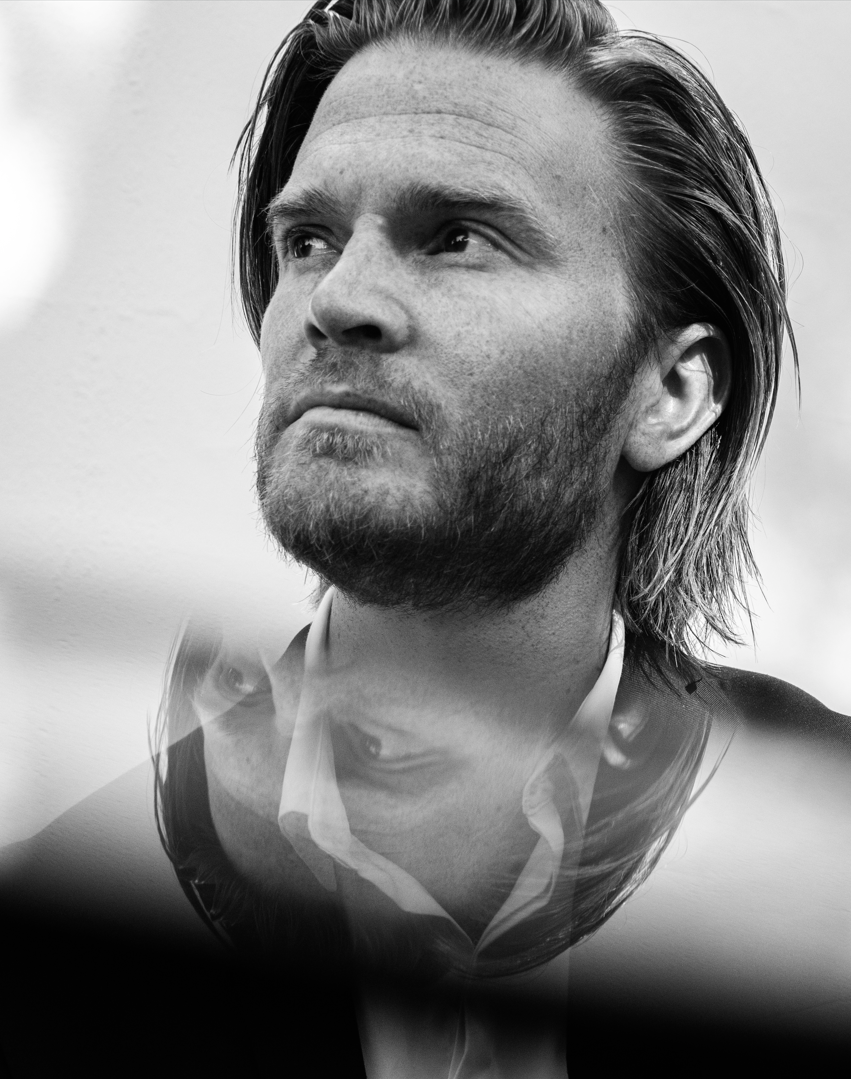
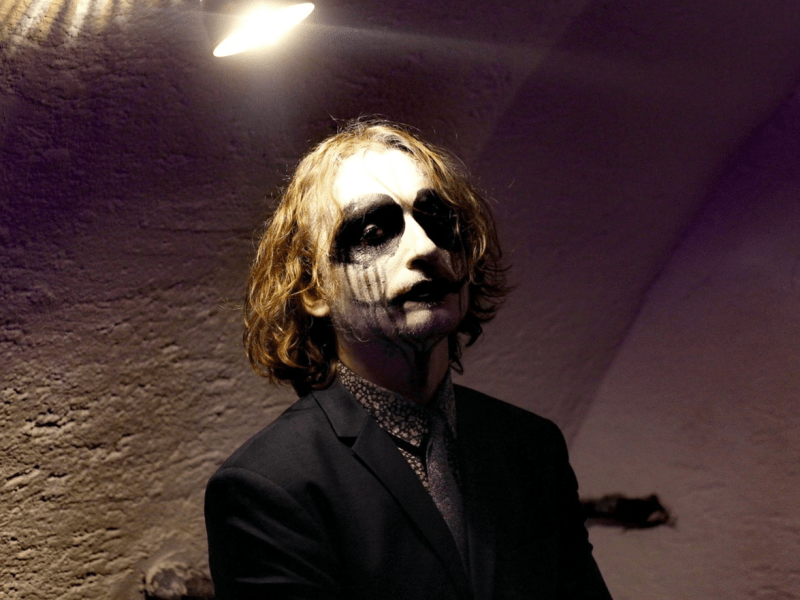
photo by Julia Marie Naglestad
“Glimmering Dark” — one of the album’s most complex tracks. Jazzy, poetic, aesthetic. Flaa’s voice here lulls every cell of the body with its confident sound and slow unfolding of melody. The saxophone merges with light percussion and foggy ambient. This is music from another world, playing with the subconscious, penetrating deeper than ordinary listening.
The final title track “What Is Not” runs seven minutes and thirty-three seconds — the album’s longest song and its semantic center. This is the feeling of thick fog, the weight of all thoughts on one’s shoulders. A lengthy intro with swaying keys, the slow building of atmosphere, distant overflows of high notes smoothly transition into Flaa’s vocal part. And from this moment everything changes. A feeling of hope arrives — like a glimmer of light amid the fog, pointing the way to salvation. The foggy melody grows with bright rhythm, sensual guitars. This is the album’s culmination, the moment when the philosophical “what is that which is not” takes physical form. This is the power of Erik Flaa’s sound — the ability to materialize abstraction.
Returning to the color of the cover, one can confidently declare after listening to What Is Not that Erik Flaa’s music has a color, and it is undoubtedly black-and-white tones and their shades. It’s the first time I’ve heard that color can be felt through music, and it’s incredible! The album What Is Not is now available on all digital platforms. If you’re looking for music, for art that demands complete surrender of yourself to Erik Flaa, then this release must be in your collection.
VERDICT
Seventeen years — a term sufficient to forget an artist, or for their return to become an event. Erik Flaa chose the latter. What Is Not balances on the dangerous edge between ambitious concept and its realization, and at times this edge becomes too obvious. The album demands patience: its seven-minute tracks and deliberate slowness can seem like self-indulgence, especially when Atlantis Studio is mentioned as a guarantee of quality. However, it is precisely in this slowness, in this almost provocative duration, that Flaa finds his own truth.
The Norwegian musician works with genres and with music in general — masterfully, I would even say cold-bloodedly. His minimalism is a calculated choice, and his atmospherics are the result of meticulous work with layers. When “Fiesta for My Failure” bursts into the album with saxophone and grunge vocals, it feels like a necessary cathartic release, proving that Flaa understands dynamics. “Glimmering Dark” reveals the artist’s jazz side, demonstrating that his arsenal extends far beyond indie melancholy.
The seven-minute title track concludes the album as a manifesto: Flaa earned the right to these seven minutes with every previous song. Here his philosophical “what is that which is not” takes form — the fog dissipates, the glimmer transforms into light, hope materializes through guitar parts. This is the moment when seventeen years of silence gains meaning.
What Is Not — an album for those who are ready to listen, and to truly listen is always an act of trust. Flaa proves that he’s worthy of this trust.
*Promoted content. All information provided is prepared in accordance with editorial standards and is intended to offer useful insights for readers.








 Indie Boulevard Magazine