
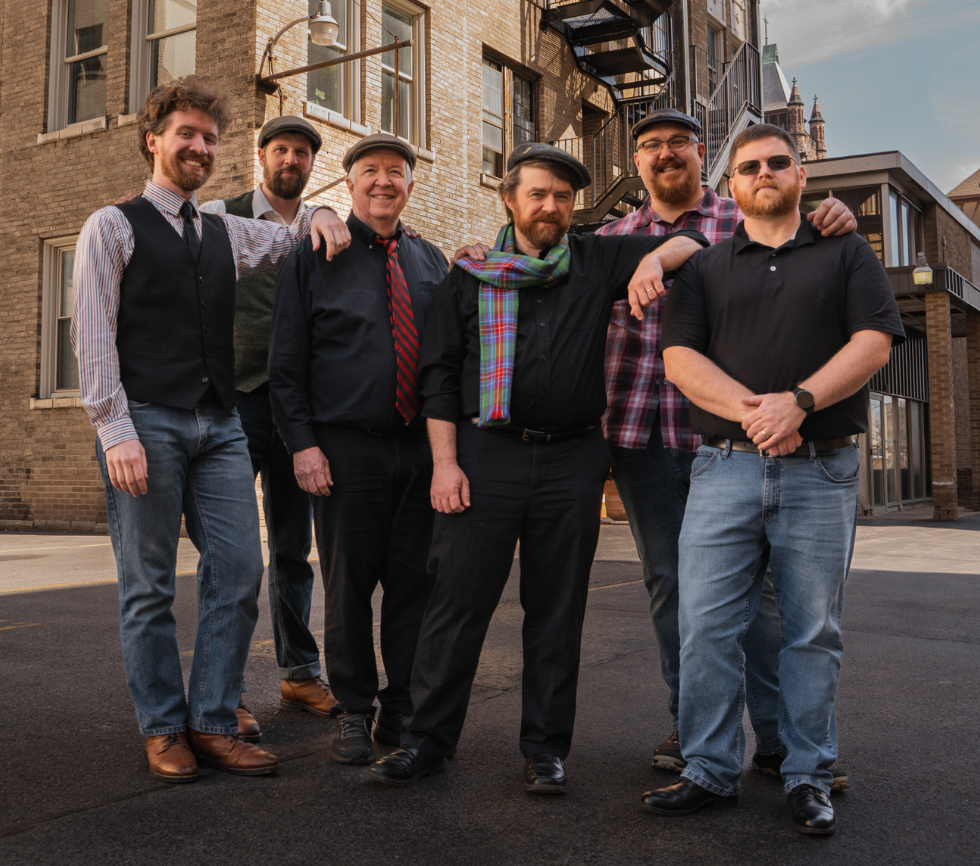
Despite being together for just three years, The Irish Lassies have made a meteoric rise in the folk scene, captivating major festival audiences for the past two years and quickly becoming part of the city’s folk mythology. Childhood friends who turned shared memories into a musical project, they figured out the main thing long ago: Celtic music in America is a story about how sound crosses the ocean and takes root on foreign soil, changing but preserving its roots.
Immigration Stories is their new album, ten original songs, all united by a common concept—the theme of migration. The musicians chose a challenging task: to tell the story of Irish immigrants from the 18th and 19th centuries through contemporary sound while maintaining the authenticity of the era. Did they succeed? Definitely yes. The album rests on Appalachian folk storytelling—a tradition that demands the ability to turn history into song in a way that lets the listener see the picture.
The album cover sets the tone for the entire release: a lonely ship on the stormy waves of the Atlantic, the sky covered with clouds, the ocean raging. It’s a visual metaphor for the journey the band invites you to take with them. A small ship with migrants crosses the ocean from Ireland to America, and somewhere on board are bards who support people with songs, fill their souls with strength, and become witnesses and participants in the migration. Romanticization? Perhaps. But it’s precisely this kind of romanticization that makes folk music alive.
The Irish Lassies have been counted among New York’s leading Celtic bands for several years, and Immigration Stories explains why. They know how to work with atmosphere—creating the feeling of warm taverns filled with merriment, the noise of people, and the aura of carefree life. At the same time, their music is imbued with the spirit of freedom, the striving for the new, the spirit of exploration. Celtic folk meets universally relatable stories about life, adventure, immigration, and hope.
Each of the ten tracks is built with sincerity and simplicity of expression. The Irish Lassies avoid bombast and didacticism—instead, they tell specific stories of specific people, letting the music speak for itself.
As I mentioned earlier, the album’s conceptuality works as an anchor: all tracks are united by the common theme of migration, but each looks at it from its own angle. Six-part harmonies, traditional instruments, skillful arrangements, and simply the spirit of Ireland—all of this comes together into a complete picture.
“Joshua Davis” bursts into the album with port energy. Six-part harmonies interweave with a bright rhythm, seagull cries can be heard in the ambient layer, creating the feeling of a tavern by the dock. You want to grab a heavy wooden mug filled with mead, jump on the table, and sing along. Multiple voices, pulsating rhythm—everything is infused with energy, inspiration, and love for the material. The band immediately announces its intentions: this will be a journey, and it begins here, at the port, before departure.
“Andersonville” slows the tempo and adds lyricism. The track opens with a soft guitar shimmer, then the violin enters, giving the melody a sensual mood. The double bass part dissolves into the overall picture like velvet, creating a cozy pulsating sound. The voices merge, forming the feeling of a big show where the lead vocal tells a story that immediately lodges itself in consciousness. The instruments fit harmoniously, falling into place in the arrangement. “Andersonville” has the ability to fill the heart with carefree lightness, lift the mood, and allow you to let go of anxious thoughts. This is one of the most elegant moments on the album.
“Engines Roar” brings medieval motifs into the sound. The song is more measured than the previous tracks, reflecting the album’s concept more deeply. The vocals fill with determination—this is a song about the upcoming journey to a new world, and you can hear the readiness for change in it. A deep chorus of voices supports the lead part, filling the melody with a contemplative atmosphere that captivates attention. Guest star Ally the Piper delivers impeccable bagpipe work that adds crucial authenticity to the arrangement, her playing threading traditional Irish tonality through the song’s crescendo with remarkable precision.
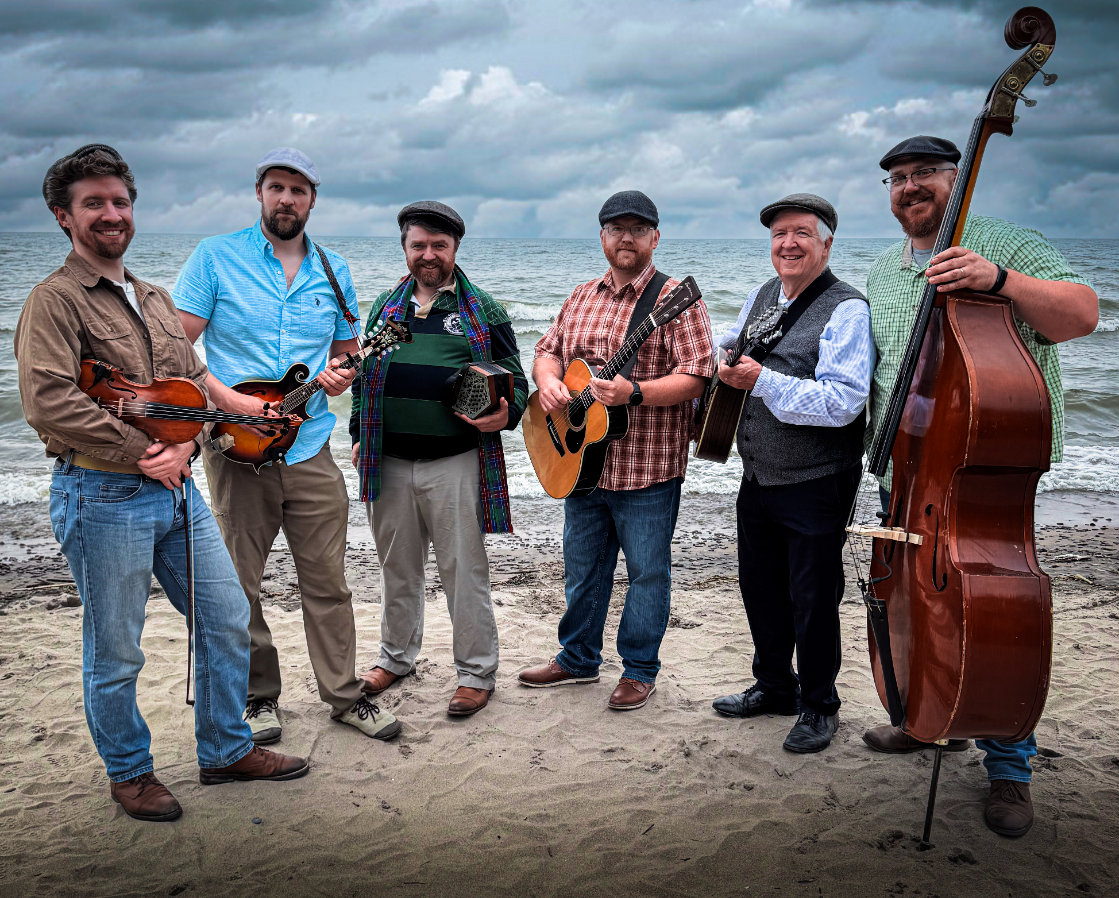
The short “The Happy Immigrant” is the only instrumental track in the program, dedicated to happy immigrants who begin their new life in another place. It’s the perfect breather in the middle of the album, a moment when you can enjoy the musicians’ unique playing without words. The track reflects the release’s concept in its purest form: hope without bombast, joy without artifice.
“Robbie Malone” is perhaps the best example of storytelling on the record. Voices echo each other, telling a captivating story under a swaying and soft Celtic sound. You can stop and allow yourself to immerse in an amazing story that transforms in consciousness into a cinematographic mini-film.
The album concludes with two tracks that form a complete and finished story. “Hammer Up Whiskey Down” slows down the melody, with vocals conveying an atmosphere of strength and hope. The supporting chorus of backing vocals creates the feeling of a group of traveling immigrants who go through the entire journey together. This is a stunning example of how you can create a voluminous and lively sound, approaching an audio play thanks to cinematic sound. The song feels like the penultimate chapter of a book—the destination is already close, but the journey continues.
The final “Whitetop Wagon (ft. Kinnfolk)” completes the album with devastating emotional weight. Kinnfolk’s magnificent vocals unexpectedly change the entire sound of the release, their voice carrying the unbearable grief of loss. Incredible backing harmonies, changing voices, and a soft, flowing folk current form a meditation on sacrifice and the cruel cost of the journey—the death of a child along the trail, a tragedy that no new beginning can erase. The raging waves and uncertainty may be left behind, but the album refuses easy comfort. Instead, the band closes with haunting restraint, acknowledging that immigration stories are often written in loss, and that the promised land comes at a price some families can never forget.
Immigration Stories works, and it’s not hard to guess why. The Irish Lassies understand: a good concept should serve the songs, and the songs—the concept. They’ve created a cinematic panorama of an era through Irish folk sound while maintaining a personal approach to each story. It’s both historical reconstruction and personal testimony—a balance that few manage to maintain across ten tracks.
And of course, these guys from New York prove that Celtic music in America can be alive, relevant, and emotionally honest. They avoid a museum approach to tradition, instead showing how this tradition continues to live and change. Immigration Stories will be interesting to lovers of Irish folk, those looking for music that lifts the mood, and those who want to experience a cinematic experience from listening.
The Irish Lassies remember where their music came from and know where it’s going. This is a rare quality in contemporary folk, where people often choose one thing—either fidelity to tradition or experimentation. Here the band finds a third path: they respect the past but speak to the present. The album keeps you afloat, leads you forward, and promises shore. After all, should folk music do anything else?
*This review was made possible by SubmitHub








 Indie Boulevard Magazine