
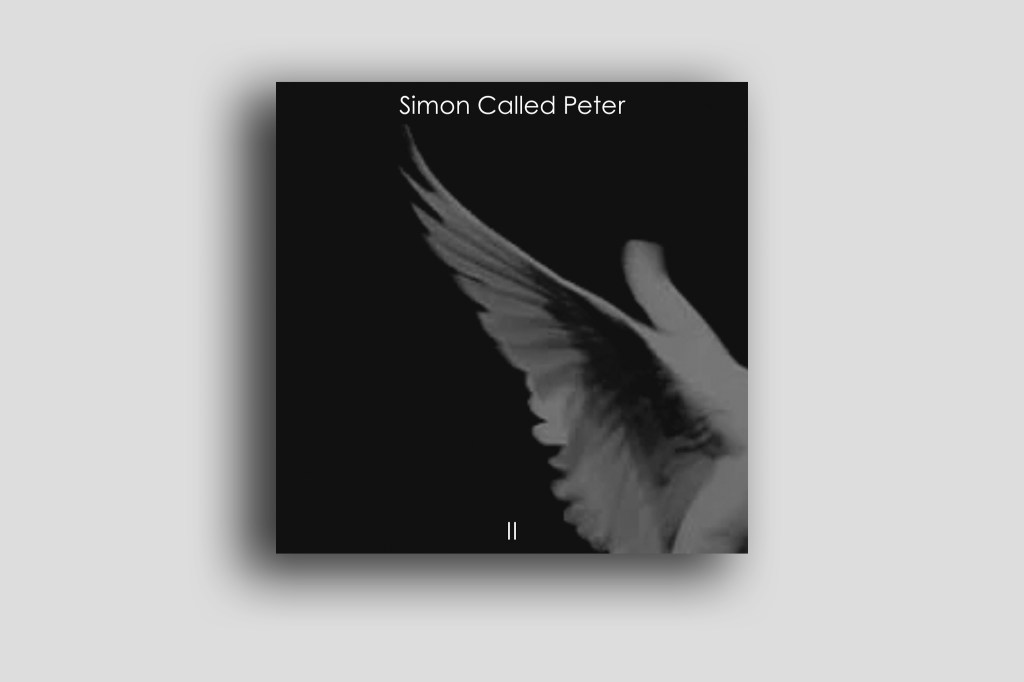
Simon Talbot & Peter Toussaint returns with Simon Called Peter II—a sequel to the original Simon Called Peter, recorded alongside guitarist Peter Toussaint. For the second installment, Talbot invited three drummers—Matt Frost, Dan See, and Ben Hampson—and this decision, in my humble opinion, completely reshuffled the project’s sonic map. The rotation of percussionists breathes into the album that very dynamic variability that solo works so often lack.
Simon Called Peter II is fifteen tracks constructed as a conceptual manifesto about human existence. The lyrics swing between grounded stories about love and self-destruction and cosmic fantasies about conquering galaxies. Everyone will find their own trajectory here, their own entry point into this system.
What’s more interesting to discuss is the album’s architecture. Simon Called Peter II registers a radical shift from Talbot‘s previous work while simultaneously scaling up artistic ambition. From the first listen, the album hits with its totality and volume. Each of the fifteen tracks crosses the four-minute mark, giving enough space for the full development of sonic thought. Previous releases already demonstrated Talbot‘s ability to work with conceptual forms, but Simon Called Peter II proves his mastery in constructing large-scale, multi-layered architectures.
Those who have followed Simon Talbot‘s career from his early work will notice in Simon Called Peter II a drift toward melodic alt-rock with a deepened, reflective tonality. The evolution primarily concerns the arrangements—bass lines acquire particular density and warmth, drums and guitars float in airy space. Talbot‘s vocals hold the center of the compositions, maintaining a prog-rock aesthetic while the lyrics venture far beyond conventional narrative.
But perhaps the central idea of the entire album is the preservation of creative impulse purity. Talbot has long practiced an improvisational method, layering guitar parts over already recorded material—a methodology that Peter Toussaint fully shares. Sound is born directly from the depths of creative consciousness, growing into the existing sonic fabric. It’s like literary stream of consciousness, where narrative is formed by a continuous chain of thoughts, creating a single monumental work.
Opening track “Common Ground” reinforces this impression with an intriguing introduction. Shimmering guitar textures, percussion, and bass create an exceptionally warm sound with cinematic expressiveness. Simon Talbot‘s recognizable voice tells an opening story, instantly immersing the listener in an exploration of human vices.
“Rage” deserves special attention, radically transforming the established atmosphere. A heavy track with low-frequency tonalities, anxious guitar parts, a melancholic aura. The melody unfolds slowly, intriguingly, culminating in a flawless guitar solo from Toussaint.
Next comes “Business as Usual”, which functions as a natural continuation of “Rage”. Peter Toussaint‘s guitar leads its own narrative, tells an autonomous story through its part. A rather curious effect—the instrument acquires its own voice and conveys through sound a separate story capable of telling the attentive listener as much as the lyrics do.
The title single “Drowning” with its stunning guitar line, possessing an almost flirtatious atmosphere, forms images of freedom, acknowledgment, and confidence. From track to track, instruments acquire their own sound, never repeating themselves.
For those seeking summery, light sounds capable of adding reflection to the day, it’s worth paying attention to “Climbing”. Here lives spring wind and solar warmth. Particularly interesting is the chorus, where the guitar in volume practically reaches the vocal level, creating a duet effect.
The dark, practically black-and-white sound of “Secret” with fiery guitar riffs from Peter Toussaint is absolutely captivating. With the track “The Last Goodbye”, there appears a sense of approaching night, something distant and starry. The light reflective guitar line here is especially attractive, and in Simon Talbot‘s vocals, you feel contemplation, hope, and faith. An aesthetic and cinematic track.
The album concludes with the songs “Enigma” and “I Want You to Know”, which form a captivating finale. “Enigma” reveals new colors from minute to minute, creating a complete picture. Guitars amplify the energy, light keyboards add airy textures that discharge the atmosphere. Everything that remained off-screen finds release in the bright final track “I Want You to Know”. The album’s conclusion resembles closing a concert on an epic note—the most rousing song of the evening.
Simon Called Peter II is seventy minutes of music that ignores the existence of TikTok, Spotify Wrapped, and the three-minute hit industry. Talbot recorded the album as if it’s 1974 and Pink Floyd just showed everyone that prog can be intimate. Instead of stadiums—a garage, instead of orchestras—three drummers taking turns, and Peter Toussaint‘s guitar, which sometimes speaks louder than Talbot himself.
Fifteen tracks. Almost all of them, with not a single one under four minutes. An aggressive gesture toward the contemporary music industry. Talbot records like jazz musicians improvise—layers guitar parts over finished material, catches the moment, fixes it. The result sounds raw, alive, sometimes excessively long, but it’s precisely this excess that makes the album interesting. There’s fat here that could have been trimmed; Talbot left it intentionally.
A pinch of salt on the wound? Well, the album demands time that nobody has. Music for a long car ride, for a night with whiskey, for a moment when you’re ready to sit and listen, and such moments happen rarely. Talbot knows this and still makes seventy minutes of music. Either bravery or stubbornness. “Climbing” is the only track that can be called almost poppy, and even it lasts more than five minutes.
Simon Called Peter II works against you. But if you give it a chance, if you survive until that moment when Toussaint‘s guitar finally says what it’s been trying to say the entire album, if you hear how Talbot‘s voice breaks on the finale of “I Want You to Know”—you’ll understand why all of this was necessary.
An album for those who miss the times when music was an event, when releases were listened to from beginning to end, when artists did what they wanted, and the audience either accepted it or left. Talbot makes music as if streaming services haven’t been invented yet, and in this anachronism lives something refreshing.
*Promoted content. All information provided is prepared in accordance with editorial standards and is intended to offer useful insights for readers.









 Indie Boulevard Magazine