
I remember how in the mid-2000s we all lived in some kind of intoxicating state of musical abundance. Garage rock revival coexisted with indie sleaze, post-punk was being reborn alongside neo-psychedelia, and the boundaries between genres dissolved so naturally, as if they had never existed at all. Back then it seemed that precisely this kind of freedom was the new norm, that artists would experiment, mix, and invent forever. Then something broke. The industry tightened its grip, algorithms began dictating the rules, music became more convenient, more predictable, safer.
Well, the return of Last Relapse is a reminder of that time when risk was currency and unpredictability was a virtue. The band dissolved at the peak of their form, leaving fans with questions and things left unsaid. David Holding, the architect of their signature sound, simply vanished from view, and the long years of silence spawned so many speculations that the reality of his return seems almost unreal. Now Last Relapse are announcing themselves with EP—a five-track statement that feels simultaneously like a continuation of their legacy and a radical break from it.
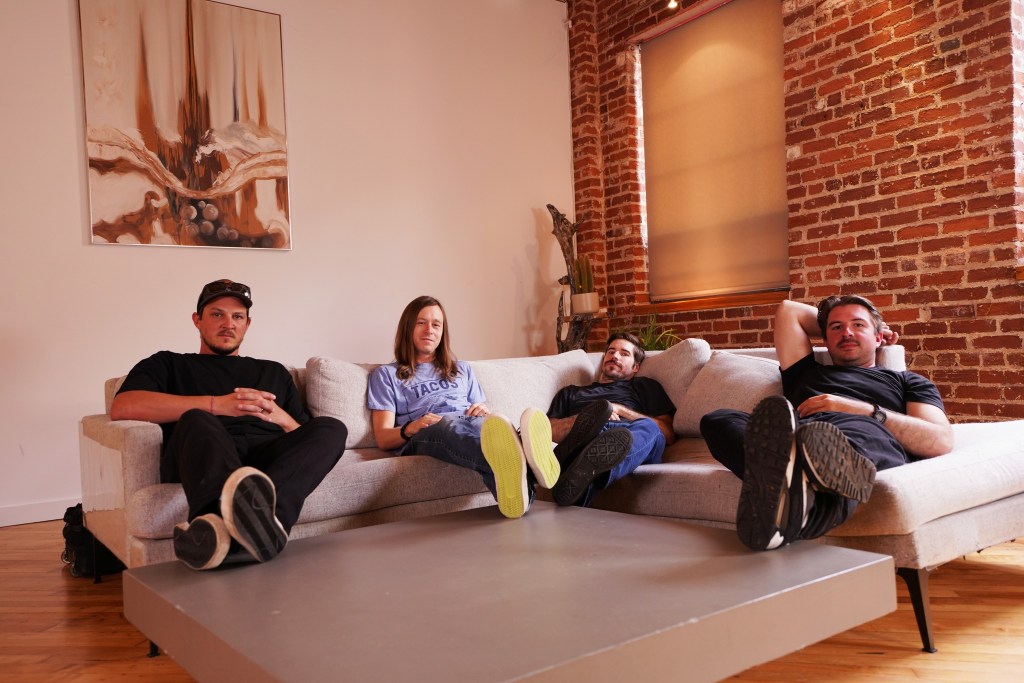
This release forces us to reconsider the very concept of psychedelic rock in a contemporary context. Holding and the band clearly decided: enough exploiting old formulas, enough hiding behind retro-aesthetics. EP is an attempt to rethink psychedelia through the prism of the current moment, where escapism neighbors with heightened sensitivity, where dreaminess borders on anxiety.
The opening track Everyone Dances Outside of Their Bodies (the title alone is worth something) immediately announces that expectations will be broken here. The track begins as a ballad, but beneath its melancholic shell pulses a nervous drum roll, like a heartbeat before a leap into the unknown. Holding’s vocals are processed so that they seem recorded somewhere between the stratosphere and a dream—they soar, hover, dissolve in reverberation. The drums meanwhile keep everything in tension. They refuse to let you relax, constantly reminding you of earthly gravity. This contradiction—celestial vocals against earthbound rhythm section—creates an almost physical sensation of rupture. The song gradually builds momentum, each new layer of guitars adding richness, until by the time of the solo the track finally explodes. The guitar solo here is a separate piece: dramatic, juicy, oversaturated in the best sense of the word.
Hey Girl is definitely a flash in the night. Dance elements appear suddenly and insistently, creating a sense of disorientation. Drums scatter in cascades, and sound effects fall downward, slide, create an illusion of falling. The work with reverb and space here deserves separate discussion—sounds literally fall somewhere down, as if trapdoors are opening beneath your feet.
The track spins, turns inside out, changes direction every few bars. Holding and the team play a game: what if we turn here now? What if we add this effect? The result is one of the most captivating examples of psychedelic rock in recent years, where unpredictability becomes a structural element.
Rats in a Cage switches registers. Here Last Relapse abandon the sonic experiments of previous tracks in favor of straightforward drive. Acoustic effects are reduced to a minimum, instead—the pure energy of a rock composition. Holding’s vocals still float above the arrangement, maintaining their unique texture, but the musical fabric beneath is dense, major-key, defiant.
The guitar solos here are multiple and spirited—instruments compete with each other, figuring out who’s louder, brighter, more aggressive. The irony and lightness in delivery make the composition perfect for moments when you want to release energy. There’s really minimal psychedelia here. But there’s something primal, joyful, like rock music sounded before it became encrusted with concepts and manifestos. Pure pleasure of playing.
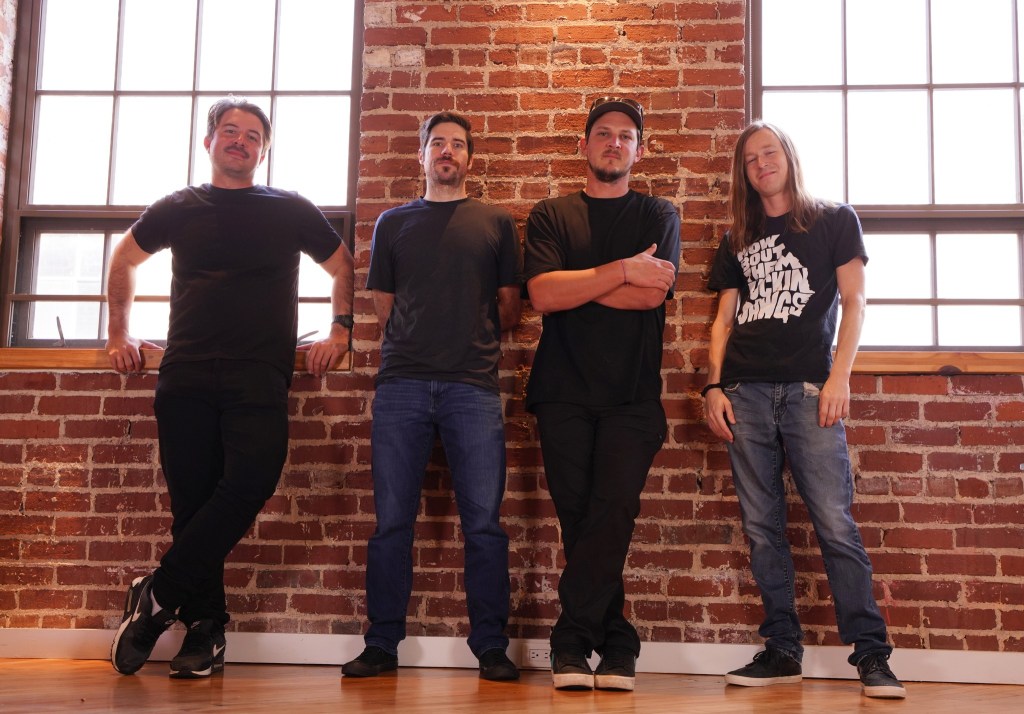
In My Place is the album’s most vulnerable moment. The ballad unfolds slowly, melancholically, cosmically. Vocals here acquire new dimensions—you hear the strain, the cry, the demand for attention. Somewhere in the middle of the composition, the earthly, almost desperate vocals suddenly transform through acoustic processing into something unearthly, ethereal.
Solfeggio Dream closes the album with angelic chords and heavenly choral singing. Under the measured pulse of guitars unfolds a sonic river that seems simple on the surface but conceals incredible complexity in the details. Bells interweave with bass guitar, around the melodic core circle chords that are impossible to reproduce from memory—they slip away, transform, live their own life.
The drama of the bass lines argues with the airiness of guitar cascades, creating a balance between heaviness and weightlessness. Last Relapse once again connect opposites—this time the earthly with the celestial, chaos with order, simplicity with multilayering. Ambient insertions add space, allowing the music to breathe, expand, fill all available space.
So what do we have today? We have Last Relapse returned, returned to remind us what rock can be when artists refuse predictability. This release goes beyond the boundaries of classical psychedelia, enriching the genre with new techniques, approaches, textures. Holding and the band have reached a new level of maturity. They’ve learned to juggle musical colors, maintaining their signature style while constantly surprising. The shock effects in Hey Girl, the bright drama of In My Place, the tenderness of Solfeggio Dream, the defiant energy of Rats in a Cage—all of this sounds radically different, yet is perceived as parts of a unified whole.
Psychedelia can be stylish, diverse, contemporary. It can speak about today, using the language of experimental rock, while remaining comprehensible and emotionally accessible. The band took that very freedom of experimentation, genre-mixing, risk—and reconsidered it through the prism of the current moment.
For those who missed the times when rock music allowed itself to be unpredictable and bold, EP sounds like a breath of fresh air. For those who thought that psychedelic rock was stuck somewhere between vintage aesthetics and nostalgia, this release offers an alternative—the genre can evolve, transform, speak the language of contemporaneity.
Last Relapse returned exactly when it was needed most. His creative search, the years of silence have led to a result that justifies the wait.
*Promoted content. All information provided is prepared in accordance with editorial standards and is intended to offer useful insights for readers.








 Indie Boulevard Magazine