
There’s an old legend born from Duncan MacDougall’s 1907 experiment: the soul weighs 21 grams. The scientific community long ago debunked these measurements, calling them pseudoscience and a poorly controlled experiment. These 21 grams have become a symbolic weight for what is fundamentally immeasurable: inner life, emotional experience, the very essence of human experience itself.
Giuseppe Cucè uses this metaphor as a conceptual framework for his third full-length album, transforming it from banality into a structuring principle. After two previous works—La mela e il serpente and Attraversando Saturno, where the musician searched for his own voice between the tradition of Italian singer-songwriter music and Anglo-Saxon indie rock influences—it’s precisely in this album that he finds the confidence of an artist who knows what he wants to say and exactly how to do it.
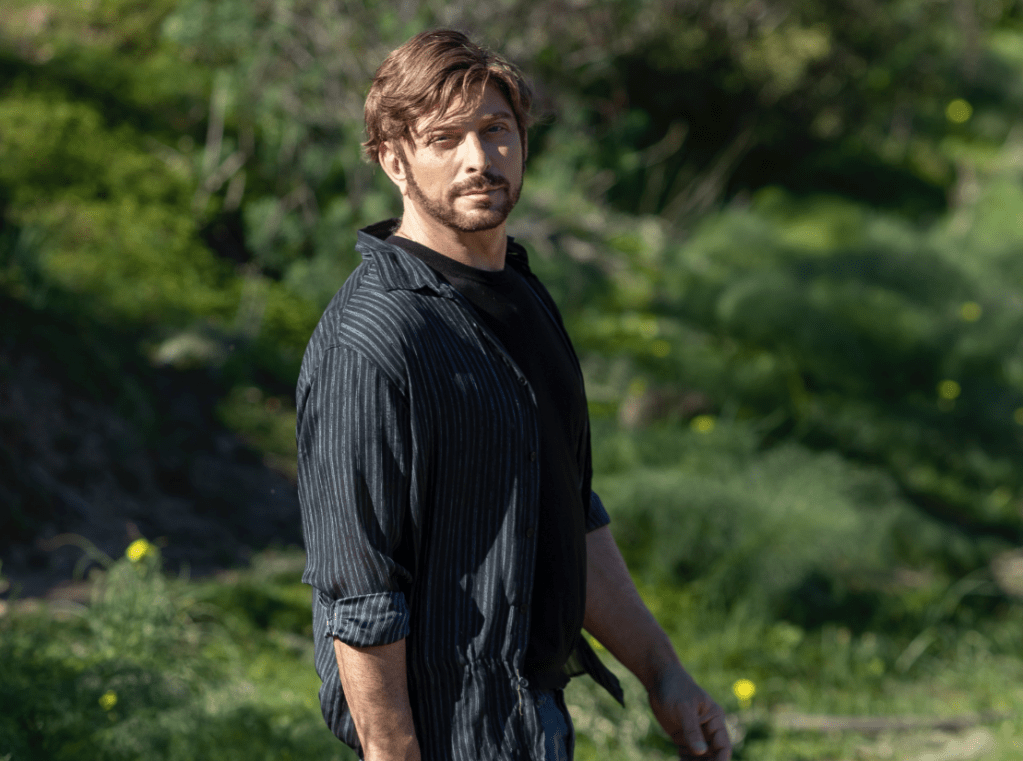
The album is constructed as an emotional chronology, a psychological novel. All the songs capture a specific state of soul: from the euphoria of the first track to the contemplative dissolution of the finale. This journey recalls the Italian literary tradition—from Dante to Calvino—where inner experiences acquire architecture, and the chaos of feelings transforms into a deliberate composition. Nine main tracks comprise the narrative, accompanied by two reinterpretations—new versions of “El mundo es verdadero” and “Attraversando Saturno”, as if Cucè is looking back on the path traveled, reconsidering his own past through the prism of achieved maturity.
The album’s key feature is its orchestral arrangement. Cucè collaborated with a symphonic ensemble. A bold decision, but in doing so Cucè chooses the path of cinematic expressiveness, and I can’t help but agree with his decision because it’s precisely a real, live orchestra that can most accurately convey the soul’s movement through joy, doubt, passion, and acceptance.
The album opens with the rousing track “E tutto cosi vero”, filled with bright, optimistic music. Here I felt a restrained dance rhythm, and the track’s character reminded me of Argentine tango. There’s no tense, frantic rhythm here, but you can feel a smooth, passionate dance. Giuseppe Cucè’s voice inspires optimism and hope for the very best. This is the soul’s dance embodiment to the sounds of a symphonic orchestra. I never would have thought indie rock could sound like this. There’s absolutely nothing rock about it. This is a restrained carnival dance to pleasant orchestral music with a spirited soloist.
“Dimmi cosa vuoi” is more intimate than the previous track. If the first felt like a restrained public dance, this is more of a monologue with oneself. Even Giuseppe Cucè’s voice here isn’t as cheerfully optimistic as in the previous track. I really loved how he harmonizes here with the piano and other instruments. The artist managed to convey the state of internal monologue, withdrawal into oneself, reflection. But I wouldn’t call this track gloomy. Rather, these are reflections after a party, where a person first experienced something that touched their soul—love, for example—and doesn’t know what to do with it. The sadness of the soul here is bright.
The novel about the soul’s journey continues with “Fragile equilibrio”. A saturated, dynamic track with a rock character. In the music you can really feel strength, elevation. Perhaps the author wanted to show that beneath outward confidence, a vulnerable soul may be hiding, displaying feigned calm. For me, this is music of drive with a strong, fighting drive forward, despite obstacles. With it, it’s easy to believe that everything comes true. I think pessimists will have something to listen to.
“La mia Dea”—the most tender lyrical ballad with the most beautiful string overflows. A soulful intro and heartfelt vocals become a prelude to a dynamic chorus. There are many beautiful solos here, and Giuseppe Cucè’s voice acquires special poignancy. You fall in love after just a little listening to the track. It seems there’s no one more soulful and tender. And all this against the backdrop of romantic orchestration that penetrates the soul.
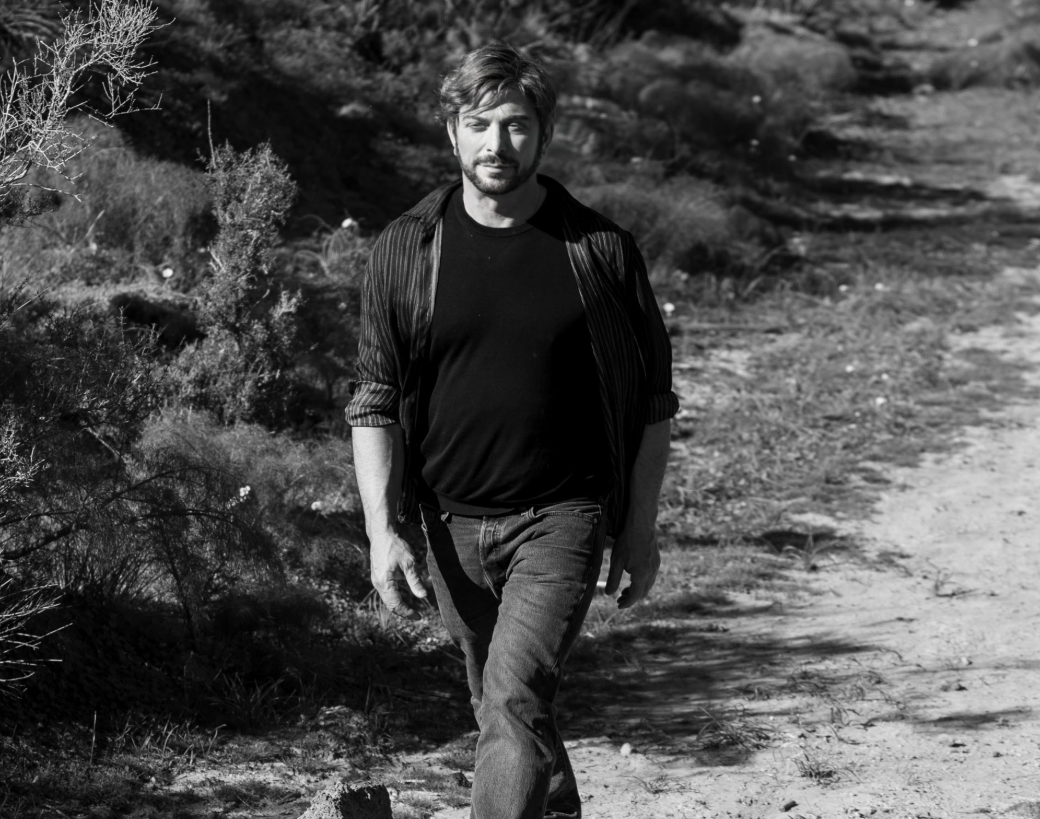
“Di estate non si muore”—a bright dance track with a disco character, but not without tension. There’s room here for play, dancing, passion, dynamics. The range of emotions is also beautifully conveyed. Giuseppe Cucè’s vocals sound hypnotic in the lower register. This is a mix of dance with a soul’s cry in the style of the ’90s, when discos constantly thundered all around. But even within its framework, Giuseppe Cucè remained true to himself, subtly noting a special spiritual state that’s hard to describe in words. You just need to feel it.
“Ventuno”—a more tense ballad than “La mia Dea”. Here we’re no longer talking about lyrics and declarations of love, but about resolving some tense question. A strain appears in the soloist’s voice, and the orchestra sounds dramatic. At the same time, this isn’t a dark but slightly melancholic track, in which there’s a bit of celebration.
“Tutto quello che vuoi”—a bright burst of optimism, embracing with its mood. A moderately dynamic track in which all instruments smoothly accompany the soloist’s low, velvety voice, assuring that everything will be fine.
“Cuore d’inverno” struck me with its orchestral richness. All instruments here sound not only powerful but also Christmas-optimistic. Many beautiful overflows and soulful vocals lift the mood no worse than a New Year’s gift. I think this is exactly how music sounds when the biggest heartfelt wish comes true.
The album concludes with the romantic single “Una notte infinita”, illuminated by bright flashes of strings combined with enchanting soulful vocals. This is a very bright track in which the soul admires the stars to beautiful orchestration with a penetrating voice. I think all its facets are revealed precisely here: from a heartfelt whisper to a rich solo. In the chorus, he sounds especially rich and expressive. A true celebration of the soul. It would be great to listen to it during New Year holidays (and not only).
In the context of the contemporary Italian indie scene, the album occupies a special place. While many of his compatriots experiment with trap, electronics, or return to punk rock roots, Cucè chooses the path of symphonic indie, a direction that’s somewhat less developed in Italy than in Great Britain or, say, Scandinavia. This makes his voice recognizable and somewhat isolated: Cucè has few direct competitors in his own country, but his music resonates more with the international indie canon than with local trends.
“21 grammi” offers an alternative model of artistic development. Instead of a radical style change from album to album—which has become fashionable in the last decade—Cucè chooses the path of gradual deepening and perfection of the found language. This is a conservative approach in the good sense of the word: the artist finds a voice and trusts it, avoiding the chase for novelty for novelty’s sake.
This is an album that rewards the patient listener, ready to give it time to unfold. For those who’ve missed thoughtful orchestral music with sincere vocals and conceptual depth, this album will be a true discovery—a work to which you’ll want to return, discovering new shades for yourself.
*This review was made possible by SubmitHub







 Indie Boulevard Magazine