
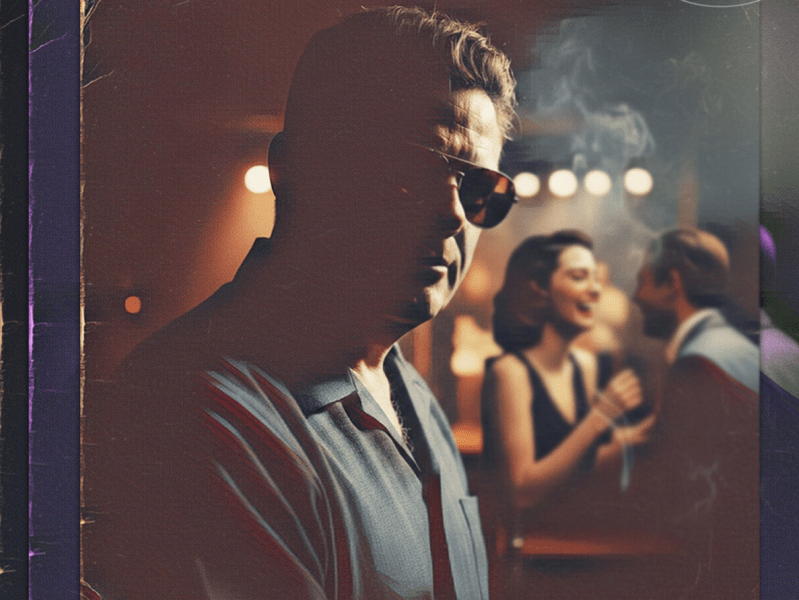
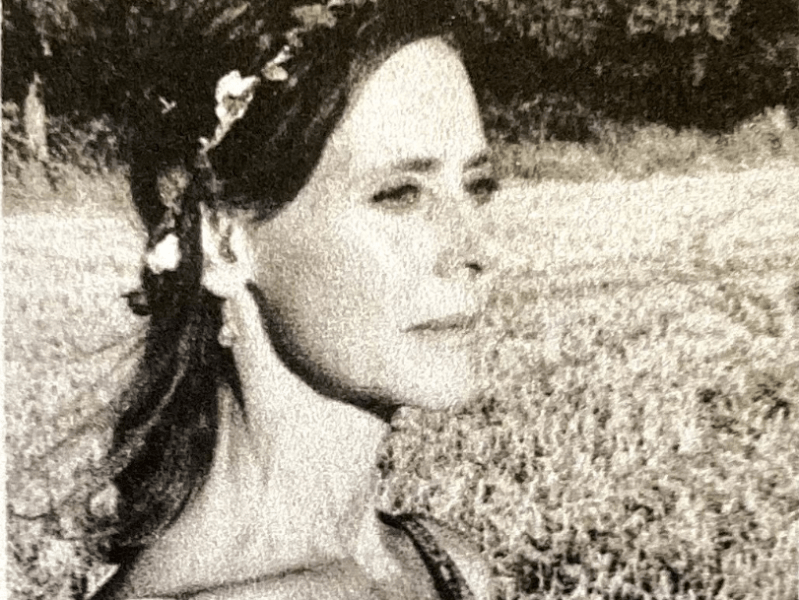
The question of whether one can predict the shape of the future without mystical abilities has long occupied the minds of thinkers. What awaits the planet in millennia to come, when familiar units of measurement lose their meaning? Italian musician Piergiorgio Corallo has constructed his answer in the format of an eleven-track album “In via di sviluppo“, where impressions of his hometown Molfetta intertwine with visions of a post-apocalyptic tomorrow. Alternative rock here serves as a conduit to worlds that may come to pass—or have already arrived in a parallel reality.
The history of the genre knows many attempts to forecast the end of the world through music. One recalls the industrial pessimism of Throbbing Gristle, or the cyber-dystopias of Autechre—artists have spent decades trying to give voice to the apocalypse. Corallo offers his own version: here, the post-apocalypse sounds contradictory, combining punk aggression with orchestral opulence, disco nostalgia with rock drive. The album is quite diverse and it opens up a fascinating new facet of a possible future where ruins neighbor technologies, and human emotions continue to pulse amid chaos.

“Non si vede” opens the album with synthesizer waves that quickly yield to guitar onslaught. The track’s nocturnal atmosphere evokes memories of basement rehearsals where the underground is born—enclosed spaces where creativity hides from the outside world. Guitar parts dart between mystical minor and dense overdriven riffs, a balance of tension born from the nineties. Corallo’s vocals occupy a strange position—detached, almost external; the voice comments on what’s happening rather than participates in it. The track poses questions instead of answers, sets the tone for everything that will follow.
“Don’t let it go” shifts into ballad rock territory with an emphasis on personal experience. The guitar introduction promises intimacy, which then unfolds into a broader sonic panorama. Special effects add a dimension of cosmic detachment, creating the sensation of a message sent into the void. Acoustic elements soften the overall tone, allowing the lyrical content to come to the forefront.
“My guitar in the Orchestra” abruptly changes direction, adding orchestral arrangements, violin, and female backing vocals to the mix. Here Corallo experiments with genre boundaries, combining a rock beat with classical instruments. Operatic notes in the vocals create theatricality, which rock riffs then soften. A piano solo in the middle of the track immerses the listener in a space where genre rules lose their power. The contrast between orchestral splendor and guitar aggression works to create the image of a circus in a post-apocalyptic world—a performance where all colors and possibilities have merged.
“Ragazzo cibernetico” returns the sound to the nineties through the prism of disco-era electronics. The vocals here are muted, sleepy, immersing one in hazy nightlife. Acoustic elements neighbor dream pop textures, creating the nostalgic atmosphere of nightclubs. Toward the finale, guitars dissolve into special effects, leaving the listener in the emptiness of night.
“Pandemia” explodes with punk energy—dynamic, sharp, devoid of sentiment. The recitative here is insistent, guitars cut through space with bright riffs. The track refuses the slow rhythm of hospital corridors, instead offering the dark merriment of destruction. Corallo finds a devilish joy of chaos in the pandemic theme, which makes the song provocative and energetic simultaneously.
And then “Sto perdendo il controllo” continues the album’s punk line, adding even more fire and dynamics, whereas “I was wrong” softens the turns. Drive here is mixed with optimism, sharp guitar solos add a peppery note. The gloom of previous punk tracks gives way to solar energy; the track recalls riding waves—free, bright, full of movement.
“My personal rise against the war (Electro version)” brings back electronic elements, combining them with light rock. Synthesizers create a discotheque atmosphere over which vocals stream, then orchestration kicks in. The track lacks darkness, offering instead sparkling disco that invites dancing in the velvet darkness of a club.
The final “Erase her name” returns the listener to a homey atmosphere. Guitars here are warm, the voice penetrating; the track works as a message from the future, proving that human feelings are preserved regardless of the era. This is the completion of the cycle, a return to the emotional foundation after all the experiments.
Piergiorgio Corallo has created an album-journey through possible futures, where the post-apocalypse sounds surprisingly diverse. “In via di sviluppo” is a risk with arrangements and a refusal of a unified stylistic line. Here orchestral experiments neighbor pure punk, disco nostalgia interweaves with rock drive, and personal experiences are projected onto universal scales.
On the plus side, the album avoids the main trap of conceptual releases—fixation on a single idea. Corallo understands that the post-apocalyptic world contains multiple shades. His vision of the future includes both destruction and creativity, both technology and humanity. The musician demonstrates technical freedom, switching between styles without losing his authorial voice.
Yes, the record suffers slightly from unevenness, but this lends the release liveliness, makes it less predictable. “In via di sviluppo” forces one to rethink notions of how music about the end of the world can sound. Recommended!
*Promoted content. All information provided is prepared in accordance with editorial standards and is intended to offer useful insights for readers.







 Indie Boulevard Magazine