

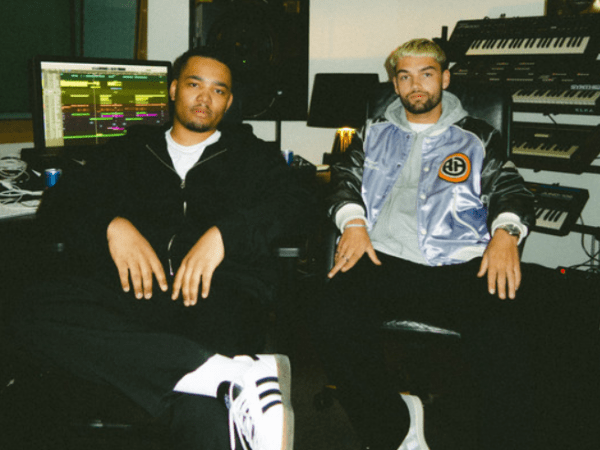
Tom Prowse music belongs to those musicians who prefer to ignore local heritage and construct their sound from entirely different materials. “We’ll be” merges hip-hop with an African atmosphere in a way. Here you feel genuine work with rhythm, or more precisely, a physical understanding of how groove ceases to be merely a technical task and becomes the foundation of the track.
When you first listen to Tom Prowse, you realize that the artist ignores the conventions of today’s music industry. He creates sound for the listener and speaks on whatever themes he feels strongly about — that’s why his music feels so honest and effortless. In ‘We’ll be’, Tom Prowse consciously draws on hip-hop aesthetics, turning technical imperfections into part of his artistic expression.
The result sounds fresh precisely because he rejects studio perfection in favor of a more organic, breathing texture. The track opens with distorted tape hiss — the sound of a radio wave sound that instantly sets a cinematic atmosphere. This distortion becomes a texture, and unmistakably, a core part of the arrangement and a means of the artist’s self-expression. Then the percussion arrives: dry, precise hits with the elastic groove so characteristic of African rhythms.
The drums live their own life. They breathe, drift away from the mathematical precision of a digital metronome, and it’s this microscopic imperfection that gives the track its carefully crafted conceptual sound. It’s euphoria born from a precise understanding of dynamics, from the skillful use of pause and buildup. The lyrics revolve around a simple idea – we’ll be. Tom Prowse Music leaves room for interpretation, turning the track into a mantra of optimism. ‘We’ll be’ sounds both retrospective and relevant, that elusive quality many strive for, but only a few truly achieve.
There’s a direct, open desire to believe in something better, and I’m sure many listeners will feel that — it truly helps each of us find our own path toward a brighter future. The result is a track that makes you nod your head, move with the beat, physically respond to the music. That’s a rare quality in modern hip-hop, where production often forgets about physicality, about the fact that music was born to make people dance.
*Promoted content. All information provided is prepared in accordance with editorial standards and is intended to offer useful insights for readers.





 Indie Boulevard Magazine