
Municipal arts funding in America is typically associated with experimental performances nobody voluntarily watches, or conceptual sound installations in empty galleries. The city of San Antonio, Texas, issued a grant to saxophonist Noah Peterson to record an old-school soul-jazz album. The decision seems strange in the context of the 2020s, when even conservative jazz musicians strive to sound progressive, cite Robert Glasper, or at least attempt to add electronics. But Peterson does something genuinely interesting… he recorded the album The Real Deal consisting of nine tracks that sound as if they were discovered in the Blue Note Records archives between sessions from 1962 to 1968.
At first glance, the project appears retrograde. Peterson took a style perfected sixty years ago by Jimmy Smith, Stanley Turrentine, and Lou Donaldson, and reproduced it with a Texan accent. The influences on the album are obvious – Louisiana brass bands seep through the rhythm section, West Coast coolness adds elegant sophistication to the saxophone lines, East Coast bop manifests in harmonic choices, blues saturates every track, groove becomes the foundation. Peterson gathered these influences and created a South Texas variant of soul-jazz that exists as a regional dialect of a common language.
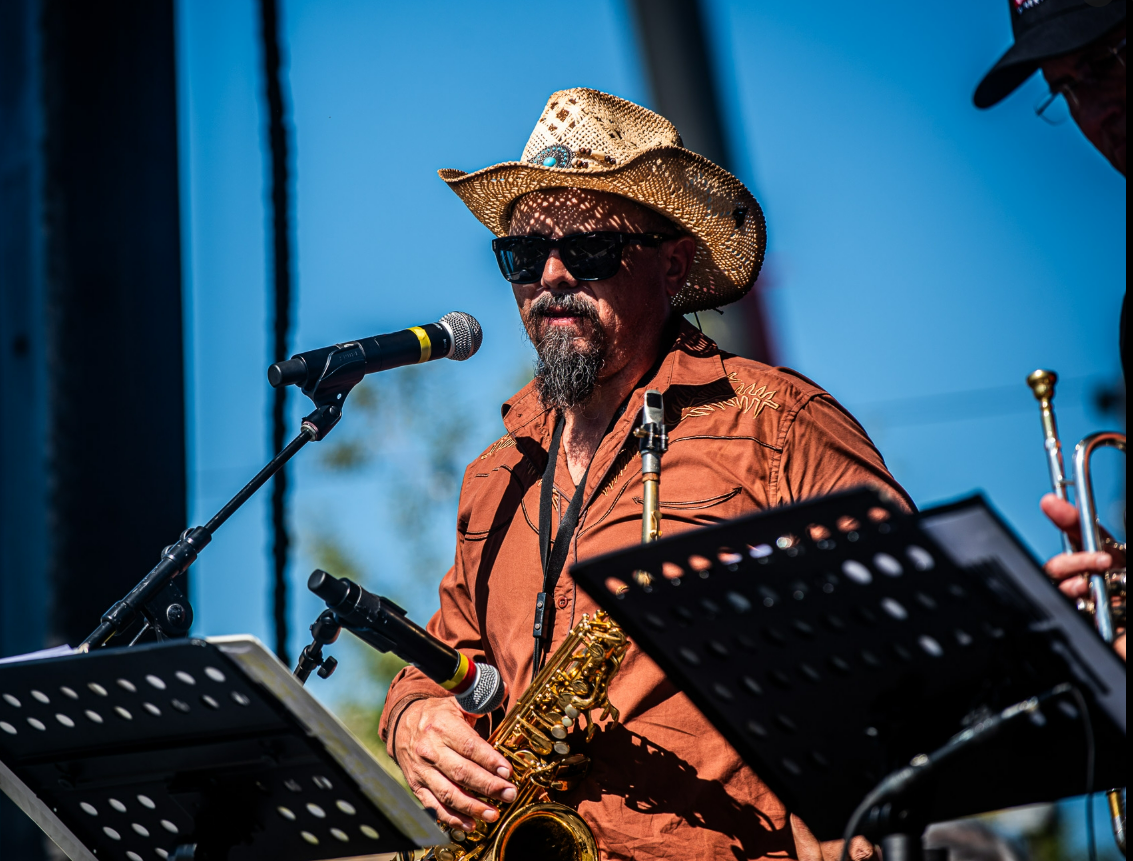
The critically important element – organist Ricky Hernandez. Peterson directly states that he refused the project until meeting Hernandez, called him “The Real Deal” – the real deal – and made this definition the album’s title. 1960s soul-jazz relied on dialogue between saxophone and organ, two instruments creating texture, harmony, melody, and rhythm simultaneously. A smart move because without the right organist, the project could have devolved into a set of saxophone solos over a rhythm section.
Damian Rodriguez on bass became co-producer and sound engineer for the project. Also a very important point because the role of bass in soul-jazz is often underestimated – guitarists and organists get the glory, while bass holds the groove and creates the foundation upon which everything else is built. Rodriguez does this work professionally, his lines are walking, groovy, functional.
The problem with retro projects is usually that musicians copy the form while missing the essence. They reproduce the sound, arrangements, harmonies, but the music comes out dry because it’s played as an exercise. Peterson avoids this trap. His melodies tell specific stories from his own life – about breakfast, relationships with his wife, loneliness on tours, local pride for San Antonio. Personal content brings the archaic form to life. A paradox emerges: the music sounds old-fashioned but speaks about the current moment in a specific person’s life.
For instance, “Biscuits & Gravy” opens the album with street festival energy. Peterson recalls the best serving of biscuits and gravy in his life and transforms a culinary memory into a rousing track. Saxophones interweave, create polyphony, Hernandez lays down a dense organ foundation, the rhythm section holds a funky groove. The joy here is physical – the music makes you move.
“Ain’t No Way Hombre” takes the story of rejection after a date invitation and makes defeat into a seductive moment. Though I’d call this track a ready-made backing track for Joe Cocker, and the saxophone indeed sounds like it’s waiting for a vocalist. The organ line references 1990s soundtracks about seduction and city nights. Peterson is old-fashioned in his references and turns old-fashionedness into an advantage. The track glides, bends, flirts.
“Your Love Is Mine” – an epic ballad for Peterson’s wife. The track unfolds slowly and reaches its emotional peak naturally. The musician’s wife chose a life without stability and predictability. The melody builds layer by layer, the solo accumulates intensity, the finale feels earned.
“I’m Gonna Be There Tonight” immerses in late nights on dance floors. Seductive jam about searching for love where it’s dangerous to look. The groove is sticky, Rodriguez’s bass pulses physically, organ and saxophone create an atmosphere simultaneously glamorous and desperate. The music conveys the ambiguity of the situation directly.
“Countdown City” is dedicated to San Antonio – the city with area code 210. Local patriotism expressed through funk and swing, Hernandez adds characteristic organ trills that transform the track into a city anthem. Peterson funks with pleasure that’s audible in every phrase.
“Baby Don’t Cry” emerged from Peterson’s eight years in a gospel group. A slow song for a slow dance that concludes with a beautiful tribute to “Amazing Grace”. Peterson proves that his vocabulary extends beyond dance numbers. The track breathes, leaves pauses, the final reference to gospel is executed with respect and understanding of the source.
“Slow & Dirty” was born from weeks in a van. Peterson rolled across the country, month after month, missing home. Loneliness and longing transformed into a slow jam with a dirty groove. Hernandez creates the atmosphere of night roads, empty motel parking lots, endless highways. Peterson plays the solo tired – the fatigue of a man who knows he’s awaited at home, but the road is still long.
“Swing and a Miss” was initially written for a different collaboration, the partner decided the track didn’t fit. Peterson took the song back, and the album benefited. Swinging burner with art-house elements, where Peterson demonstrates technical mastery. Wow moments happen regularly, passages demand attentive listening. The complexity distinguishes the track from the overall aesthetic, the contrast works in the album’s favor.
“What’s Your Name” closes the project with the story of a boy too shy to talk to a girl. The light swinging melody returns to the playfulness of “Biscuits & Gravy”, creating a frame for the entire album.
Noah Peterson made a choice that will seem strange to many. He took a sixty-year-old style and reproduced it with precision that borders on anachronism. And I’ll clarify, the difference between imitation and ownership is enormous. Imitators reproduce sound mechanically, their music is dead despite all technical correctness. Peterson lives inside this tradition, it’s his natural habitat. He tells his own stories in a ready-made language, and the stories come out alive.
The arrangements demonstrate understanding of the balance between structure and freedom. Peterson creates melodies that are clear and memorable, distributes roles between instruments logically, gives musicians space for improvisation. The result – an album where written material and spontaneity coexist organically.
The Real Deal is addressed to listeners who are comfortable in familiar space. Peterson offers quality execution of proven formulas. For some, this is a flaw – music should move forward, seek the new, take risks. For others, this is an advantage – tradition is valuable in itself, quality execution matters more than novelty.
Peterson proved that tradition can be a living language if a musician truly commands it. Nine tracks of quality, sincere music show South Texas Soul-Jazz alive and breathing. The project is honest in its intentions, successful in execution, limited by its own choice to remain within tradition without attempting to expand it. Noah Peterson knows what he’s doing, and does it well.
*This review was made possible by SubmitHub







 Indie Boulevard Magazine