
Six tracks about a marriage falling apart and stitching itself back together—sounds like material for a therapy session, but it becomes one of the year’s most compelling releases. Rebecca Cooper and Groovey Pantesco under the banner of Fox Hill Road recorded Tell the Tale, an EP that takes a divorce diary and transforms it into music of such emotional power that all talk of genre predictability recedes before the quality of execution. Here, country rock meets jazz, blues enters into dialogue with retro aesthetics, and Cooper delivers with a candor that compels you to listen to the end.
Fox Hill Road put much more into their debut EP, proving that art equals life’s purpose. Sounds too philosophical? I’d argue against that! Knowing what Rebecca Cooper managed to survive, such reflections don’t seem like a revelation to me. Especially since the diary of personal experiences stretched into just 6 tracks.
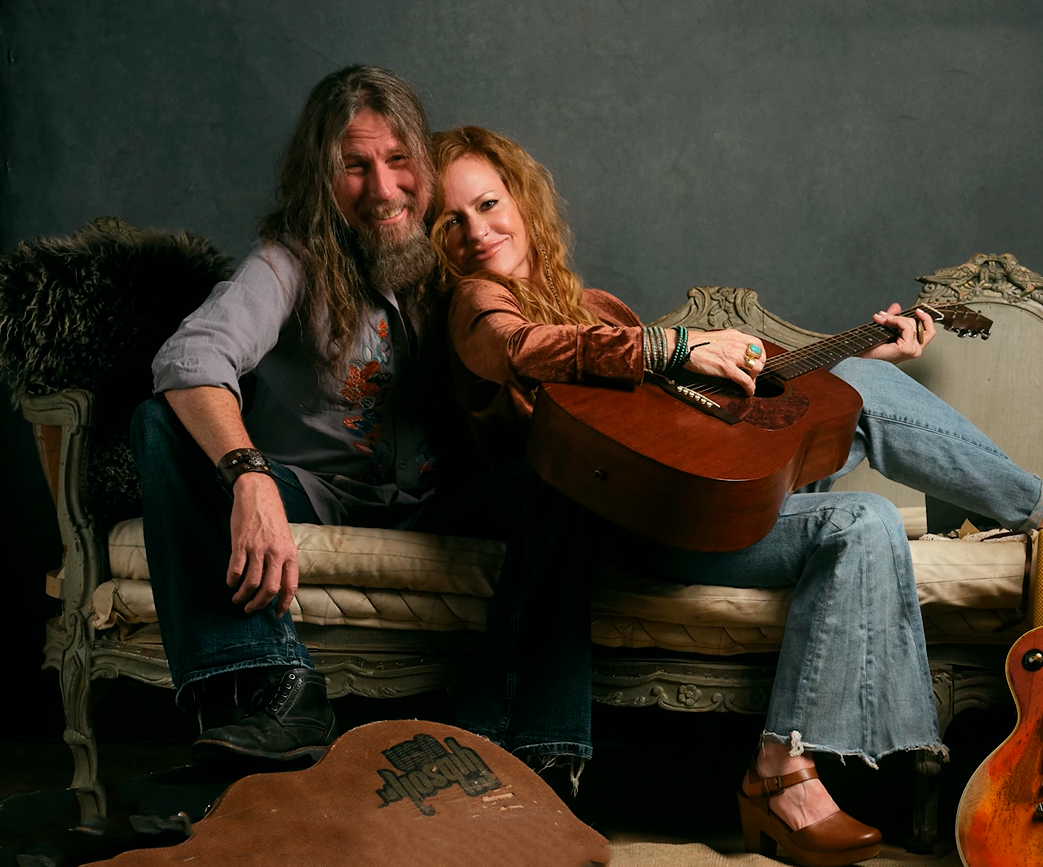
Together with Groovey Pantesco, she assembled Fox Hill Road—a project that sounds expensive and delicious, where every instrument knows its business, and Cooper’s vocals work as the main argument in the debate about whether we still need music about broken hearts.
We do, if you make it like this. Cooper invited Robert Kearns on bass, Dan Dugmore on pedal steel guitar, put someone behind the Wurlitzer keys and recorded material that lives somewhere between country rock, jazz and that kind of blues they play in bars where whiskey is poured generously. This is music for those over thirty, who know the price of a good divorce and a bad reconciliation. Cooper tells her story without filters—from the moment everything collapses to that morning when coffee smells like hope again.
INKED starts with keys that immediately set the tone—this will be painful, beautiful and direct. Cooper enters the track with a voice that cuts and caresses simultaneously, the ballad unfolds in noir shades, where Brooklyn glamour mixes with blues and rock so naturally that it seems this song has always existed. Electric guitars wail in the background, creating tension that Cooper holds until the last second. She sings about the breakup like a movie—expensive restaurants, dresses, jewelry, but under all this gloss hides real drama.
STORYLINE switches registers, and here Fox Hill Road shows they know how to play with dynamics. Retro jazz enters softly, memories of love still bright, keys create that American warmth—roads, motels, kisses in the car at dawn. Blue notes from guitars add sadness, but it doesn’t corrode yet, it just hints that all this is temporary. Cooper and Pantesco sing together, and their voices blend so well you believe—they really lived this story.
CAN’T GET FAR bursts in with dynamics that shake things up. The song transforms into a manifesto of a person who wants to reclaim what disappeared. Waves in the background, a metaphor for cooled feelings, Cooper sings about walks through old places—she really walked those streets, really tried to glue the broken pieces back together. The musicians work tightly—Kearns’ bass holds the rhythm, Dugmore’s pedal steel guitar adds country coloring, and Cooper lays vocals over this that cut to the bone.
SPYGLASS slows the tempo. Falling stars in the arrangement, clouds of slow music, Cooper and Pantesco create a dialogue where each phrase is an attempt to reach out and a miss. Feelings smolder, but the fire has almost gone out. The track hangs between hope and reality, and this suspension is conveyed so precisely that you want to press repeat.
AIN’T THAT SUMPTHIN’ blows everything to hell, and this is the best decision the musicians could have made. After four tracks of immersion, they sharply switch to joy, to dynamics, to fun that sounds almost Christmas-like. Cooper and Pantesco shed the weight of drama and allow themselves to fool around, dance, shout with happiness. The track sparkles with the energy of liberation—this is the moment when after divorce you realize life goes on, that you can flirt again, laugh, make plans.
HERE WE ARE closes the release with a slow ballad that sounds like a morning reconciliation. Two people together again, coffee on the table, silence in which they’re comfortable. Cooper paints the story’s finale with the wisdom of someone who went through fire and learned to value simple things. The track is warm, cozy, devoid of pathos—it’s just two voices that found each other again after all trials. The musicians play restrainedly, keys create an atmosphere of morning light, bass holds a soft rhythm, and Cooper’s vocals sound as if she’s finally exhaled.
Tell the Tale appeared at a moment when the confessional music market is oversaturated. Every month dozens of releases about broken hearts come out, every second female singer on the indie scene tells about divorce or toxic relationships. Rebecca Cooper competes with an army of artists following the same route. Fox Hill Road chose the classic sound of jazz, blues and country rock, territory explored by hundreds of musicians before them. You could easily write this project off: another story about divorce, another release about memories and reconciliation. The route’s predictability is obvious—Cooper leads the listener from INKED (moment of breakup) through CAN’T GET FAR (attempts to reclaim the past) to AIN’T THAT SUMPTHIN’ (liberation) and HERE WE ARE (reunion).
And yet Tell the Tale works because Cooper sings as if her life depends on these six songs. The musicians play their craft professionally. Robert Kearns holds bass lines firmly and precisely, Dan Dugmore on pedal steel guitar adds country coloring that references the genre’s classics, Wurlitzer builds jazz atmosphere with keys. The sound turned out expensive, delicious, in places reminiscent of those soundtracks to romantic dramas where heroines cry beautifully and men suffer nobly. Cooper chose the aesthetic consciously—she wanted to make music that sounds luxurious even when telling about catastrophe. And it works:
Fox Hill Road proved that classic forms are alive if you approach them with authenticity, and Pantesco supported her as an equal partner, creating moments of real chemistry. The musicians built a sonic framework that holds the narrative from first to last second. Tell the Tale takes its place in the tradition of American confessional releases with dignity—there’s strength of performance here, musical literacy, emotional saturation. Cooper went the path from destruction to resurrection and recorded a report that sounds so convincing that all questions about originality recede before the quality of work. The release deserves the attention of everyone who believes in music’s therapeutic power and values authentic art.
All information provided is prepared in accordance with editorial standards and is intended to offer useful insights for readers. Please note that the opinions, interpretations, and evaluations expressed by the author may substantially differ from the viewpoints of our readers or the general public at large, and we respect the diversity of opinions.







 Indie Boulevard Magazine