
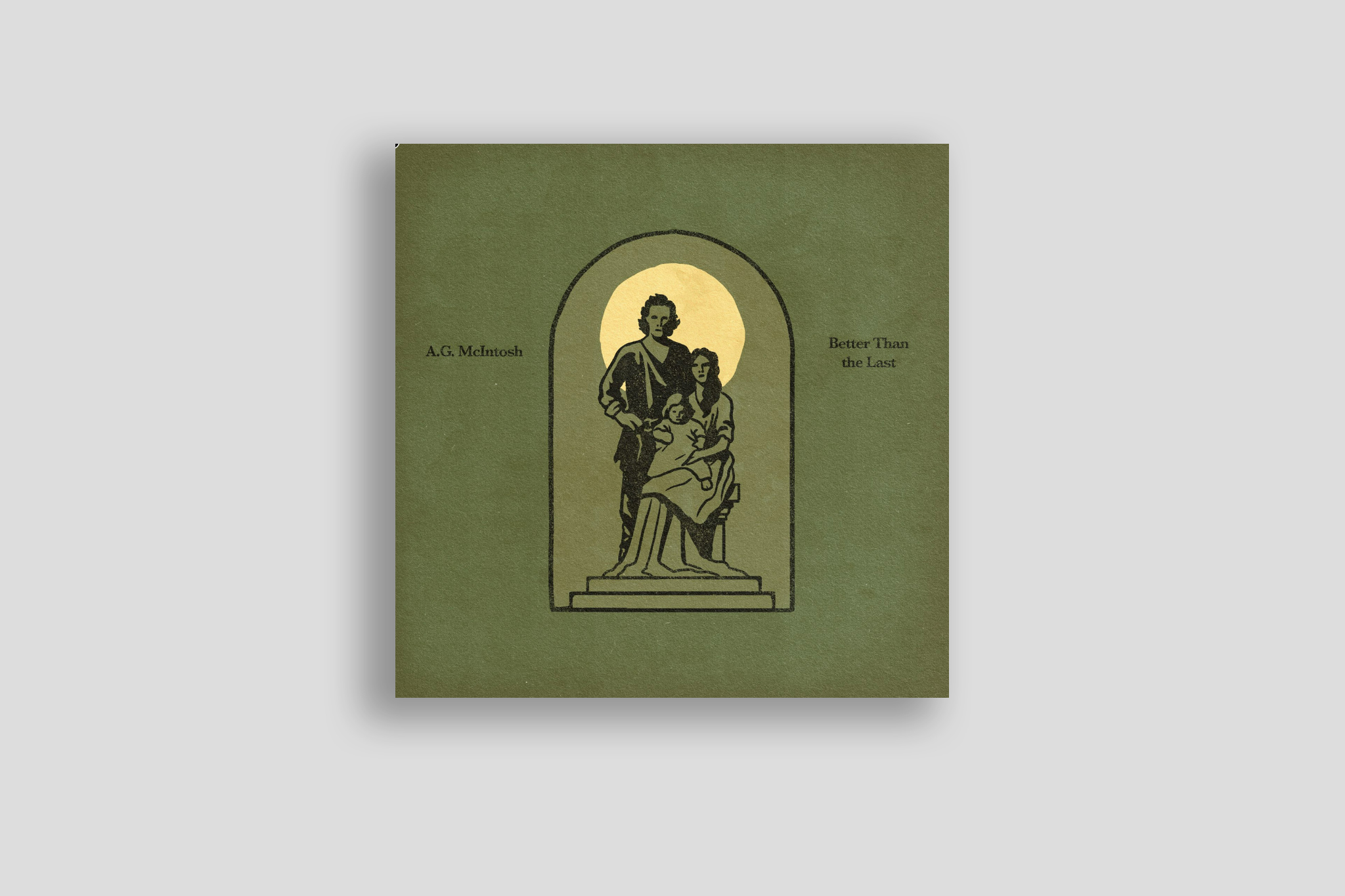
A.G. McIntosh releases his new single “Better Than the Last” — a rock track dedicated to a personal milestone in the musician’s life. The song is built on powerful vocals, synth effects, and an energy that blows the roof off from the very first seconds. “Better Than the Last” is an open declaration of inner victory, the end of a struggle, and the kind of force that overwhelms a person at the moment of triumph.
Victory has a strange fate in rock music. The genre has long been accustomed to working with rage, longing, rebellion — the dark side of the emotional spectrum, where broken hearts and shattered lives reside. Entire decades have been built on the idea that rock is a cry of pain, and the deeper the pain, the more honest the music. Grunge elevated suffering to a cult. Post-punk packaged anxiety into an aesthetic. The emo wave turned vulnerability into a commercial product. And somewhere in the middle of all that, one simple thing got lost: pure, muscular, deafening joy. A.G. McIntosh does it differently on “Better Than the Last” — he simply screams. Screams about what’s in his heart, and his scream flies outward at the speed a person usually screams when they forget about the microphone, the cameras, and the audience.
The opening seconds of the track set the tone instantly. Assertiveness is the first thing that registers, and it’s physically palpable: the sound cuts through the space with a force that any conqueror would envy — a boxer after a winning round. Synth effects race forward, the guitar foundation growls, the rhythm section pushes the track from behind — everything moves, everything accelerates, everything hurtles toward the coveted goal. A.G. McIntosh chooses a tempo that eliminates any pause for reflection.
The emotion that “Better Than the Last” conveys has a specific coordinate — it is the moment of personal triumph. The second verse introduces a shift in pressure. The assertiveness pulls back slightly, yielding to lyricism. The track softens just enough to let the listener take a breath, then immediately ramps the momentum back up.
The vocals here deserve a conversation of their own. The singer’s voice opens up to its full hundred percent — exposed, at maximum amplitude, with the kind of commitment that makes you believe in even the most timid of your own aspirations.
“Better Than the Last” is rock generously seasoned with positivity — and A.G. McIntosh is dead serious about his own elation. Where most artists right now invest in coolness, ambiguity, carefully measured detachment, he cranks the amplifier and says: “I won. Listen.” That directness is the track’s trump card. The energy here is contagious — after it, you want to move, act, scream back. Worth bookmarking for anyone who forgot what boldness feels like.
All information provided is prepared in accordance with editorial standards and is intended to offer useful insights for readers. Please note that the opinions, interpretations, and evaluations expressed by the author may substantially differ from the viewpoints of our readers or the general public at large, and we respect the diversity of opinions.