
Blues is an oral history, a living archive, a tradition passed down from generation to generation. It is a conversation that began long before us and will continue long after. Terry Blade understands this not as a theorist, but as someone who listens, absorbs, processes, and passes it on. Chicago Kinfolk: The Juke Joint Blues is difficult to call a music album in the usual sense. It is more of a study, a document, an artistic statement, an archival deep dive, and even—a dialogue.
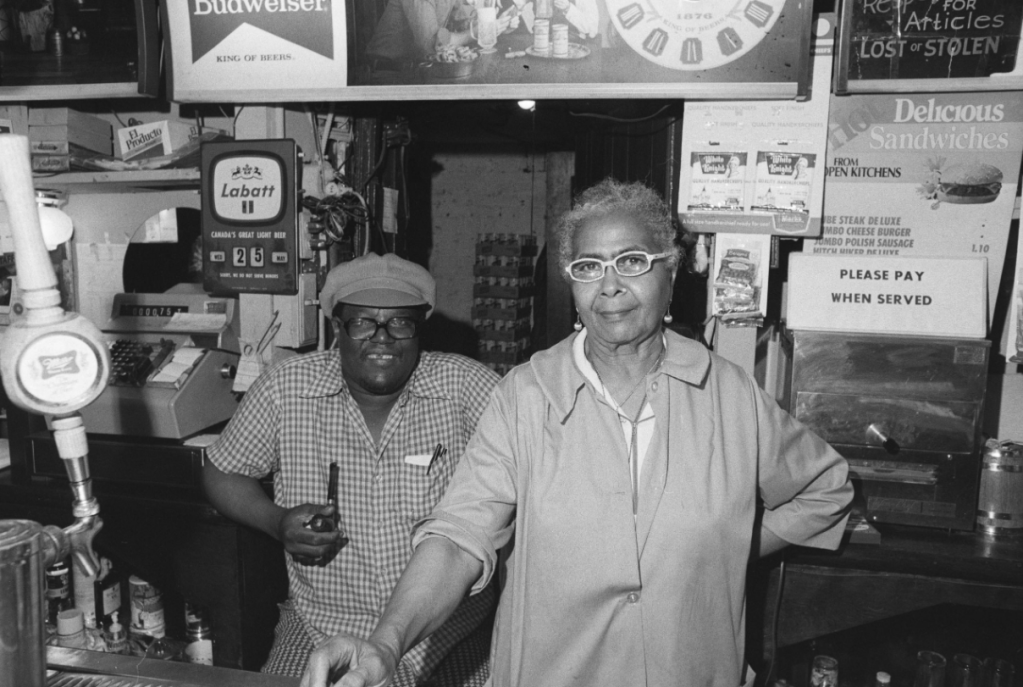
How often do we say that music “tells a story“? But how often do we come across an album that literally includes the living voices of the past? Voices that not only inspire but become an inseparable part of the music itself? Sometimes, when you pull something off the shelf that seems old-fashioned and covered in dust, you end up discovering an entire world you never expected. That’s the case with Chicago Kinfolk: The Juke Joint Blues—an album that captures the living spirit of Chicago blues, flowing from one decade into the next. Its creator, Terry Blade, seemingly just picks up a guitar, sets up a microphone, and starts to sing—but behind it lies something far more ambitious.
While working on the album, Terry came across 977 interviews with Theresa Needham, often called the godmother of Chicago blues. A treasure trove of stories and memories, these recordings shed light on the origins of the distinctive Chicago sound. The process of research, recording, and assembling audio materials felt more like documentary filmmaking. But here, it all merged into a musical record that, alongside Terry Blade’s original songs, incorporates the authentic voices of those who helped shape Chicago blues.
Why include these archival recordings in the album? Blues is often associated with enduring sorrow and a life hard-lived, but Terry Blade’s archaeological approach reveals that blues is always ready to speak to us directly. The past flows seamlessly into the future, with the present moment unfolding in between. Hearing the actual voices of the genre’s pioneers is like flipping through an old family photo album and realizing that many of our habits, slang, and musical tastes trace back to the distant ’50s and ’60s. It becomes clear that these people are true pioneers—without them, much of what we love today wouldn’t exist.
Let’s talk about the album’s documentary nature. It’s not often you come across releases where songs are interwoven with interview fragments, creating a bridge between generations. One moment, you’re listening to a contemporary artist, and in the next track, a voice from a long-gone era shares advice, recalls an old jam session, or jokes about a past life experience. These recordings weren’t just pulled from private archives at random—they’re preserved in the American Folklife Center at the Library of Congress, where Blade unearthed true gems. They’ve always been publicly accessible, yet before this project, it felt like few people even knew they existed.
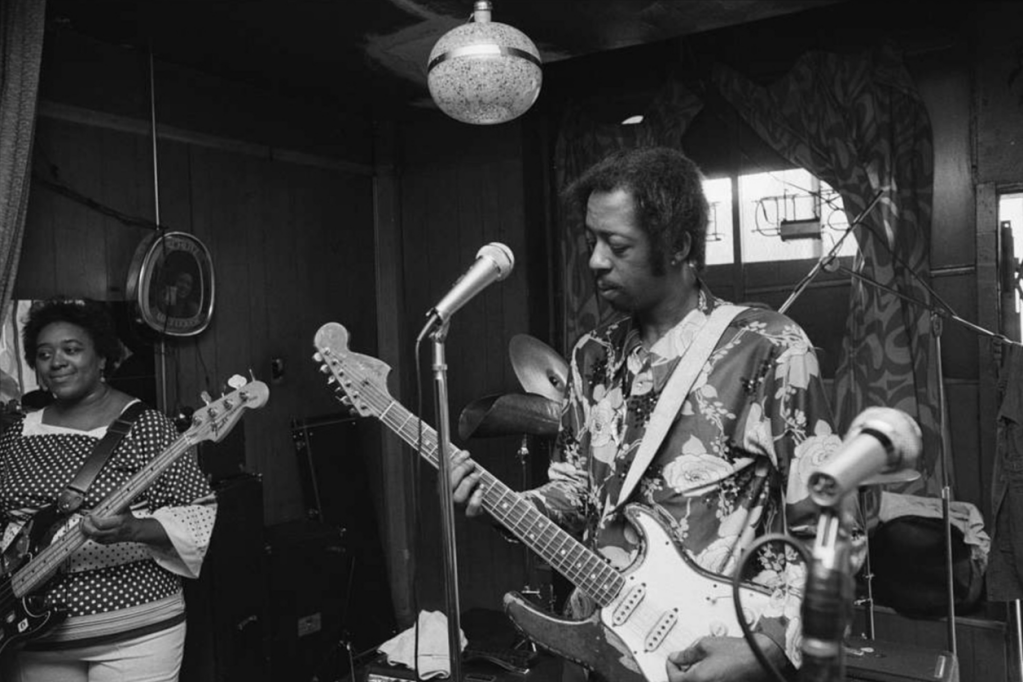
Terry Blade opens the album with history—literally. The first track is an authentic 1977 interview recording with Theresa Needham, the legendary “godmother” of Chicago blues.
The documentary aspect of this album is its core. Alongside archival recordings, Blade weaves in covers and original compositions, bringing everything together into a cohesive whole. Among his own tracks, Gettin’ Tired of You stands out with its raw energy and the directness characteristic of Chicago blues. Meanwhile, Tell ‘Em takes a different route—it’s smooth, meditative, and feels like it belongs in the dim glow of a club.
In The Blues Is Pressure, Blade once again highlights the voices of the past. It’s followed by Be Around No More and The Blues Is Not Written, two tracks that invite listeners to go deeper—not just hearing the melody, but feeling the very spirit of the genre. The former has a slow, mesmerizing flow, creating an intimate, almost communal atmosphere between the musicians. The latter incorporates an archival interview with Lefty Dizz, offering even those new to blues a chance to connect with its roots.
Terry Blade strikes a perfect balance between honoring tradition and asserting his own voice. This is especially evident in That’s Alright, where vibrant guitar work and expressive vocals create a gripping, powerful atmosphere. It’s the kind of blues that lingers, pulling you back for another listen.
The album closes with Fallen Sons, a final note of warmth and intimacy. Its swaying melody fills the space, allowing the soft jazz-inflected sound to fully unfold.
What’s most rewarding is that the album doesn’t overwhelm with information—it unfolds gradually. Again and again, you find yourself replaying moments to catch a remark from Theresa Needham or pick up the nuances in a legendary voice. There may not be a lineup of radio-ready hits here, but this album sparks genuine curiosity.
So if you love blues music and are interested in its history as a genre, this release is a must-have. Dim the lights, pour yourself something warm, and press play. You might just find yourself transported to a bustling venue where Terry Blade takes the stage, and between songs, the very voices that once shaped the Chicago music scene come alive once again.
*This review was made possible by SubmitHub








 Indie Boulevard Magazine